
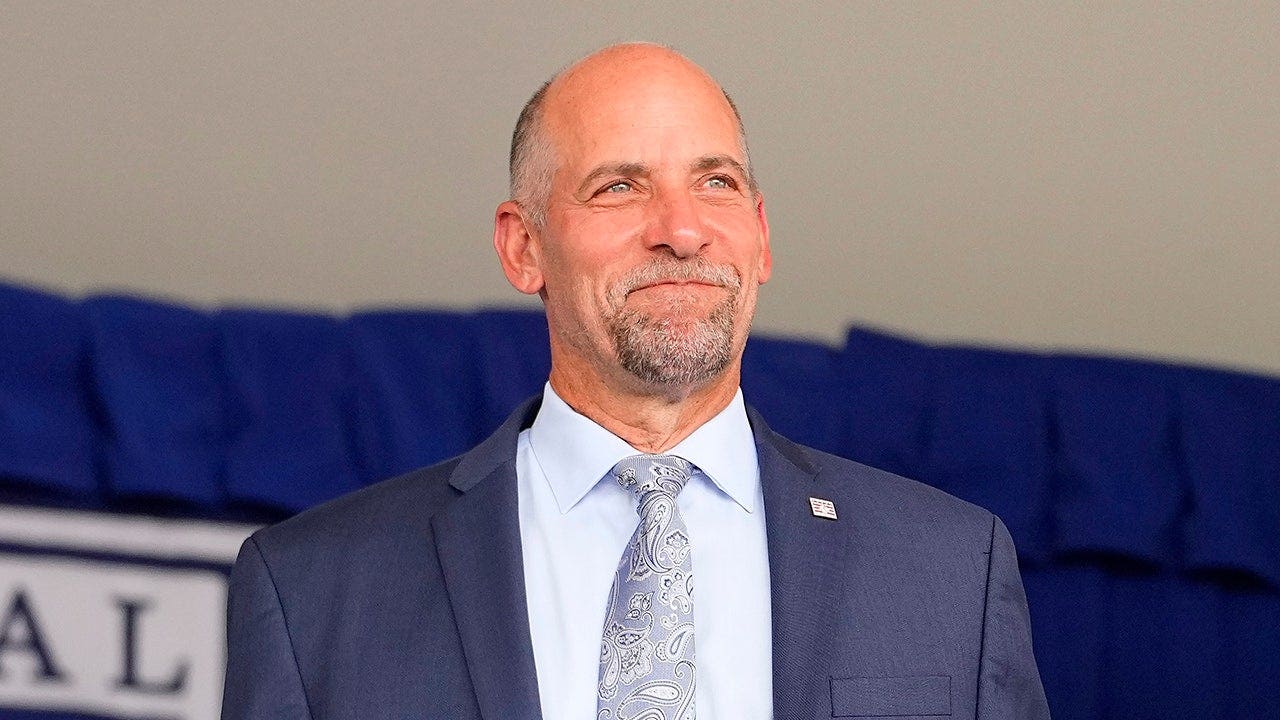
Hall of Famer John Smoltz warns that Major League Baseball faces real danger if the current collective bargaining agreement expires without a deal, arguing that a stoppage would hit competitive balance and expose deep spending disparities across the sport. His warning grabs attention because it comes from someone who lived the game’s highs and lows and understands how fragile momentum can be when fan trust and payroll fairness are strained. This piece unpacks why a work stoppage matters beyond headlines, who stands to lose the most, and what the implications could be for baseball’s future.
Smoltz’s point is simple and blunt: baseball runs on competitive credibility, and a stoppage erodes that quickly. Players and owners both trade on the promise that games mean something, and when that promise looks shaky, casual fans stop caring and the economic ripple becomes hard to reverse. The sport’s fabric – minor leagues, local vendors, broadcasters and youth programs – depends on continuity and predictable seasons.
At the heart of the worry is spending disparity, the gap between the biggest-market clubs and the small-market teams that struggle to keep up year to year. When payrolls diverge sharply, the product on the field starts to feel predetermined and that undermines the core appeal of baseball: the belief that any team can rise on a hot streak or smart roster moves. Smoltz has watched dynasties and rebuilds and knows that the game’s health rests on a sense of opportunity for every franchise.
Competitive balance mechanisms have been a recurring theme in collective bargaining talks, because without practical solutions money concentrates and the season tilts toward a predictable few. Revenue sharing, luxury tax thresholds and draft incentives are tools on the table, but they require buy-in and enforcement. If the league and the players can’t agree on real fixes, Smoltz fears the result will be a sport that slowly loses its credibility to generate compelling competition.
There’s also a timing pressure attached to the CBA expiring, since negotiations that drag past the schedule bring the same anxieties as outright stoppages. Even rumors of a potential lockout or strike change how teams operate in the short term, affecting trades, spring training plans and fan engagement strategies. Executives and broadcasters plan seasons in advance; uncertainty forces them into conservative decisions that can hollow out a season before any work action actually begins.
Beyond the on-field consequences, the economics of a stoppage hit the lower tiers of baseball hardest, where margins are thin and seasons fuel community economies. Minor league stadiums, local businesses and a host of seasonal workers rely on uninterrupted schedules to make payroll and sustain operations. When those games vanish from calendars, the blow lands on folks who didn’t negotiate the CBA but who will feel it first and longest.
Public perception matters too, and baseball can’t afford to look like it places profits above play for long. Fans tolerate disputes when they seem fair or temporary, but repeated stoppages feed a narrative that the sport is broken or rigged toward wealthy owners and stars. Smoltz’s credibility as a Hall of Famer gives weight to the warning: if respected insiders talk about existential risk, casual observers pay attention and that can accelerate sponsor and viewership declines.
Practical solutions are messy and require give-and-take from both sides, which is why negotiations are seldom neat. Those discussions need to balance fiscal reality with competitive safeguards so teams can reasonably hope to contend and players can fairly earn market value. If the parties return to the table with a genuine drive to protect the game’s competitive heart, the damage can be contained, but complacency and brinkmanship only increase the odds of a costly interruption.
Smoltz’s comments serve as a reminder that baseball’s long-term health depends on steady seasons, believable competition and economic fairness across the board. The coming weeks of bargaining will test whether leaders value the game as much as the numbers on spreadsheets. For fans, the hope is simple: keep the games playing and preserve the thing that made people fall in love with baseball in the first place.
