
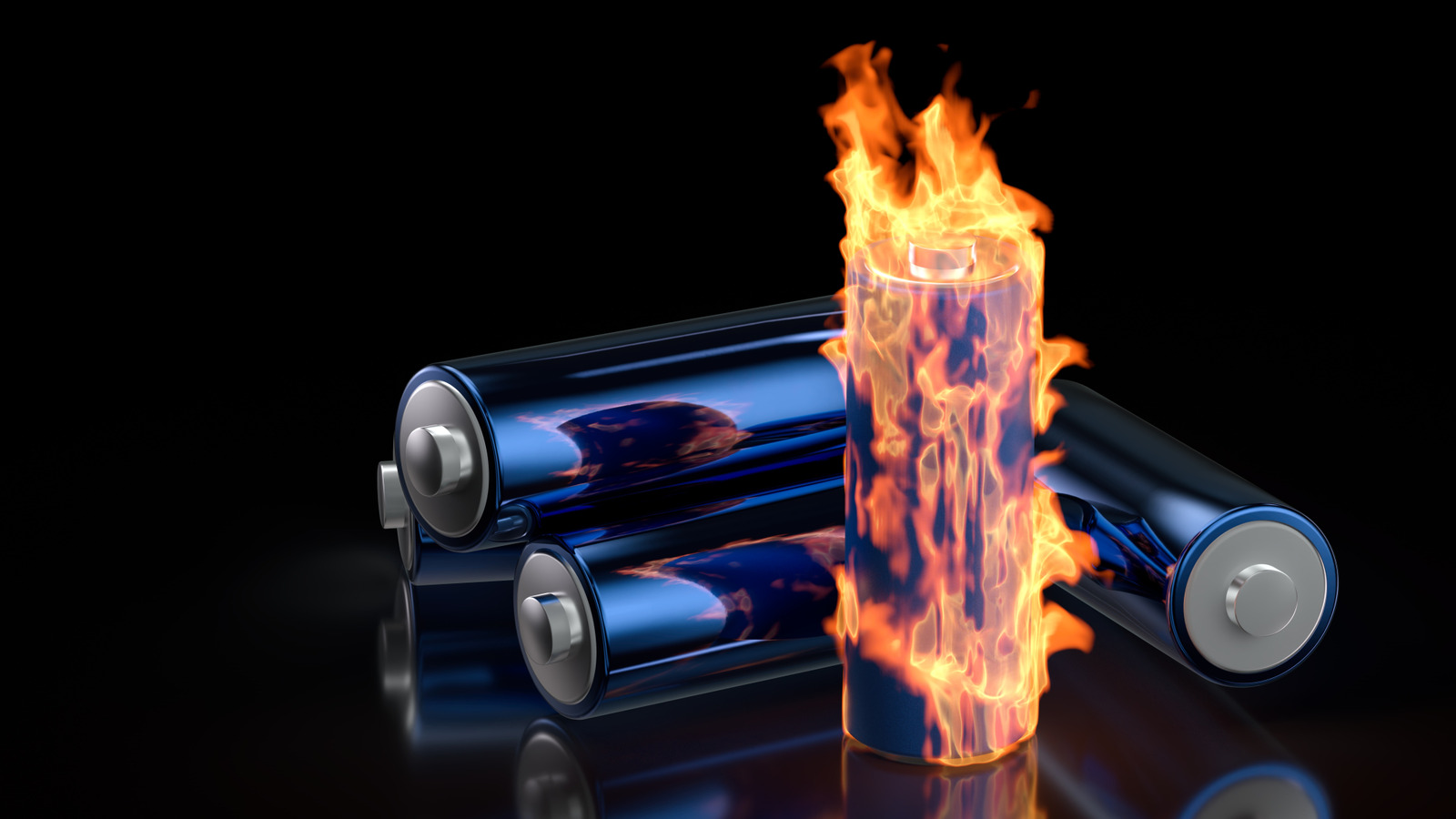
Lithium batteries run nearly everything we carry and many things we drive, but they are not simple trash. This piece explains why tossing them in the regular garbage is a bad idea, how to spot trouble, safe short-term handling, and practical ways to recycle or dispose of them without turning your bin into a fire hazard.
Lithium-ion cells show up in phones, laptops, power tools, e-bikes, and EVs, and their chemistry stores a lot of energy in a small package. That density is great for performance but risky if the battery is punctured, crushed, or shorted. When batteries fail, they can overheat and ignite, which is why disposal needs more care than a banana peel.
Trash compactors and landfill conditions can stress batteries and cause internal short circuits long after you toss them. Fires in collection trucks and sorting facilities are an increasingly common problem tied to loose lithium batteries. Municipal pickup systems are not designed to contain or extinguish an energetic cell gone wrong.
Start by handling spent batteries like a tiny, unpredictable power source. Keep terminals covered with nonconductive tape and store cells separately in a fire-resistant container until you can take them to a proper drop-off. Never mix loose batteries with metal objects in a bag, and avoid piling many cells together where a single failure could set off the rest.
Damaged or swollen batteries need extra caution because they are more likely to vent hot gas or catch fire. Move swollen cells to a well-ventilated area away from flammable materials and keep a safe distance. Contact a hazardous waste facility or a retailer that accepts damaged batteries rather than attempting home repairs or punctures.
Many electronics retailers and big-box stores offer battery recycling or take-back programs for small consumer cells. Your local household hazardous waste center can handle larger packs like those from power tools or e-bikes. Auto shops and authorized dealers handle EV battery disposal and recycling, and those larger systems require specialist processing that regular recycling bins cannot provide.
When preparing batteries for drop-off, label damaged units and keep different chemistries separate if you can. Tape exposed terminals and place cells in individual nonconductive sleeves or separate compartments. These small steps reduce the risk of accidental shorting during transport and storage at collection sites.
Shipping batteries has rules because postal and courier networks are conscious of the same fire risks. If you need to mail cells for recycling, follow carrier instructions and packaging requirements or use a certified recycling program that handles shipping for you. For most people, the simplest option is a retailer drop-off or a municipal collection event.
For home storage, pick a cool, dry spot away from heat sources and sunlight. Long-term storage at partial charge is safer than leaving batteries fully charged or deeply discharged for months on end. Keep spares organized and checked periodically for swelling, leaks, or unusual odors.
Large-format batteries, like those in electric bikes and scooters, require different treatment than phone cells. Many cities have designated collection points or contractor services for these packs, since they often contain dozens of cells and complex battery management systems. Never slice open a battery pack to salvage cells; that increases risk for you and anyone down the line handling the waste.
If a battery starts to smoke or burn, get people away and call emergency services. Small fires from lithium cells can be unpredictable; use a fire extinguisher rated for electrical fires if you have one and it is safe to do so, but prioritize evacuation and professional response. Never try to submerge a large battery in water unless instructed by emergency responders, and avoid moving flaming cells yourself.
Recycling recovers cobalt, nickel, lithium, and other metals, cutting demand for new mining and reducing environmental impact. Proper recycling also prevents hazardous materials from leaching into soil and water. Treating batteries as a resource instead of trash helps close the loop and supports safer manufacturing down the road.
Simple habits cut a lot of risk: tape terminals, separate cells, use retailer or municipal drop-offs, and call professionals for damaged packs. Make recycling a routine part of upgrading your gadgets rather than an afterthought when something dies. That small shift keeps collection crews safer and your community from dealing with avoidable fires.
Remember that regulations and services vary by area, so check with local waste authorities to find the right program for your batteries. If you find a recycling kiosk or scheduled hazardous waste day nearby, use it. The extra step is quick and prevents a lot of trouble for your neighborhood and the people who handle the waste stream.
Keep batteries out of the regular trash and treat them like the energetic items they are. A little care at the end of a battery’s life prevents big problems later and helps recover valuable materials for the next generation of devices.
