
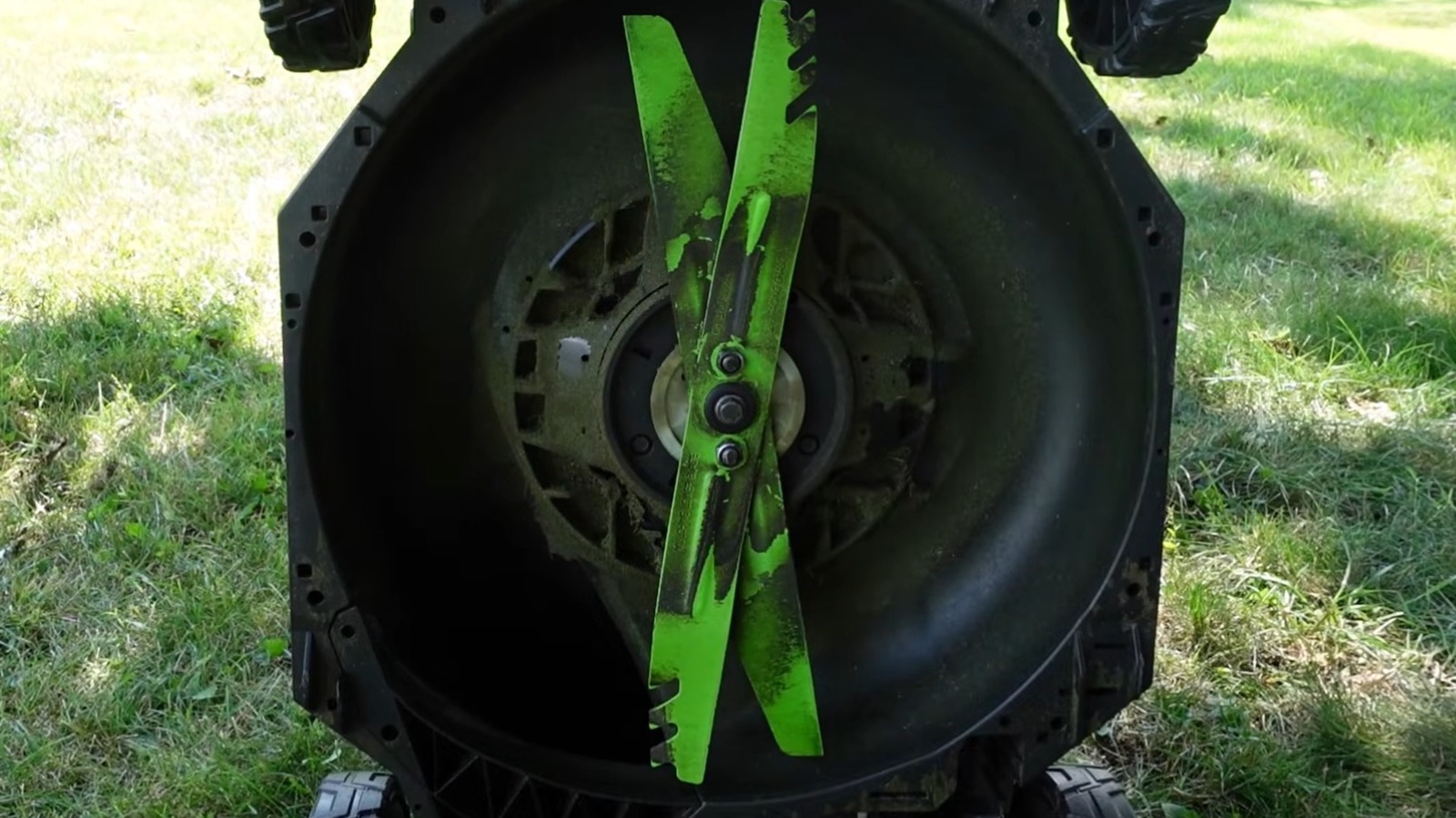
Many lawn mower blades show extra holes near the center bolt, and they’re not just decoration. This piece explains the practical reasons behind those openings, from fit and balance to airflow and safety. You’ll get straightforward reasons and quick maintenance tips so the mystery disappears.
The most common reason for extra holes is fitment flexibility. Manufacturers make blades that can attach to multiple spindle patterns, so extra holes let one blade serve lots of different mower models. That saves space in production and gives owners more replacement options at the store.
Another big reason is balancing and vibration control. Small holes or slots can be part of the factory balancing process, trimming metal to even out weight distribution. A well-balanced blade spins smoother, reduces strain on the spindle, and keeps cuts clean instead of ragged.
Holes can also influence the blade’s airflow and lift characteristics. The shape and placement of openings change how grass moves under the deck and how clippings are thrown into the chute. In mulching blades, specific holes or slots help recirculate clippings for finer mulching and better coverage.
Some holes act as weak points purposely designed to fail under extreme stress. If a blade hits a rock or root, these engineered stress risers can shear in a controlled way, preventing more severe damage to the spindle or engine. That’s a safety-minded trade-off: a cheaper blade sacrificed instead of expensive hardware.
Installation and alignment use extra holes, too. Certain patterns make it easier to line the blade with the spindle or to accommodate different bolt sizes without changing hardware. That matters when dealers or homeowners swap blades between brands or models during mowing season.
Weight reduction is another straightforward benefit. Removing small amounts of metal lowers rotational mass, which can slightly improve engine response and reduce fuel draw. Designers balance that reduction carefully so cutting performance and structural integrity stay intact.
Some specialty blades include holes for accessory attachments or anti-scalp features. Those attachments can help prevent deck contact on uneven lawns or support add-on mulching plates. When used properly, these features enhance performance without compromising safety.
From a maintenance perspective, those holes can reveal wear patterns and mounting issues. If the bolt area looks elongated or the holes are distorted, the blade may have shifted during use and should be inspected or replaced. Regular visual checks prevent accidents and keep the mower running right.
When replacing a blade, follow the manufacturer’s guidance and match bolt patterns precisely. Using the wrong hole pattern or a poorly balanced replacement invites vibration, uneven cuts, and premature component failure. Tighten bolts to spec and recheck balance after any change.
If you suspect a blade is unbalanced, remove it and test on a blade balancer or a nail through a bench surface to check orientation. Swapping or adding small weights in the right place can often correct minor imbalances, but damaged blades should be replaced outright. Safety trumps a temporary fix every time.
Those extra holes aren’t random; they’re a blend of engineering choices aimed at versatility, airflow, balance, and safety. Understanding why they exist helps you pick the right replacement and maintain better cutting performance. Treat blade work with care, follow torque specs, and replace suspect parts promptly for safer mowing.
