
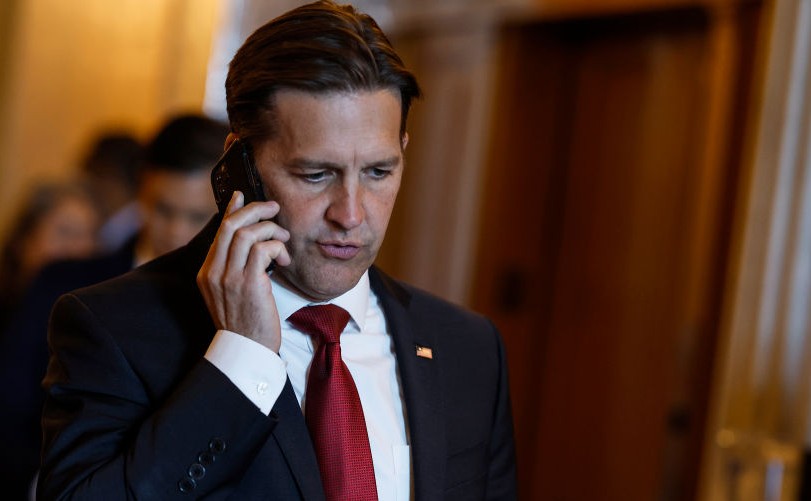
Ben Sasse’s brief clip has pushed a sharp conversation about who should shape children’s education. In 13 seconds he pointed to ‘the real reason compulsory education ever started in America,’ and that line landed with conservatives who worry public schools drifted from local values. Classical education advocate Jeremy Wayne Tate amplified the moment and framed it as a warning about family and parish authority being sidelined.
For many Republicans this isn’t nostalgia, it’s a question of who holds power over kids’ minds. Public schooling grew out of a different century with different religious and civic dynamics, and some argue the system was built to weaken rival institutions. That view drives the push to reassert parental and parish influence in how children are taught.
Ben Sasse has a reputation for thinking historically and speaking plainly, and that matters here. Saying something sharp in a short clip is meant to cut through boilerplate arguments about funding and curriculum. Conservatives hear a call to defend families and faith against one-size-fits-all bureaucracies.
The Catholic experience is central to this debate, because immigrant parishes once provided not only worship but schooling and community cohesion. Public schools often aimed to assimilate diverse populations into a common civic life, sometimes at the expense of religious identity. That tension explains why Catholics and other faith communities pushed for their own schools in the first place.
Those who favor school choice see Sasse’s point as confirmation that the system can erode local authority. Vouchers, tax credits, and charter expansions are practical tools Republicans promote to give parents real options. Choice lets families keep their faith traditions while ensuring academic standards are met.
Opponents will call this divisive, but the real divide is between centralized control and local responsibility. Republicans argue that decisions about children belong with families, churches, and elected local boards, not distant education bureaucrats. Restoring that balance is painted as a defense of liberty, not an attack on public servants doing honest work.
Classical education supporters like Jeremy Wayne Tate push a curriculum that emphasizes character, virtue, and the Western canon. That model clashes with progressive pedagogies that prioritize identity and social engineering. The result is cultural friction over what counts as rigorous education and what counts as indoctrination.
Republicans point to outcomes: test scores flat, civic literacy falling, and young people detached from religious and civic institutions. When schools become the primary shapers of identity, families can lose the first claim on children’s loyalties. Sasse’s short clip speaks to a larger worry that state-run institutions have expanded beyond teaching reading, writing, and arithmetic.
There’s also a legal and philosophical layer to this argument about compelled schooling itself. Compulsory education laws were born in a different political landscape, and conservatives ask whether they always served the public good. Revisiting those roots can be uncomfortable, but it can also open space for reform that respects pluralism.
Policy debates will follow the rhetoric, and Republicans have a clear script: expand options, protect parental rights, and fund alternatives to monopoly systems. That platform appeals to voters who want accountability without abandoning public schools altogether. It’s a practical offer, not just a culture-war slogan.
Education debates inflame emotions because they touch identity, faith, and future opportunity all at once. For conservative audiences the underlying theme is simple: people closest to children should make the biggest decisions about their upbringing. When schools exclude family and parish voices, trust breaks down quickly.
Media snapshots like Sasse’s clip are lightning rods, but the work that follows is slow and policy-driven. Republicans favor concrete steps that increase competition and local control so families can choose what lines up with their beliefs. Those measures aim to rebuild confidence in schooling without gutting public commitment to educating every child.
Cultural critics on the left will denounce attempts to shift authority as reactionary, but many parents report pragmatic reasons for change. Personal stories of mismatched values or curricular disagreements propel the movement beyond ideology. Voters notice when policy translates into real consequences for family life.
Sasse’s 13-second claim and Tate’s emphasis keep the spotlight on who shapes young minds and why it matters. Republican arguments will keep circling back to parental rights, faith, and local institutions as the right place for educational authority. That focus will drive legislative fights, school board contests, and community organizing in the months ahead.
