
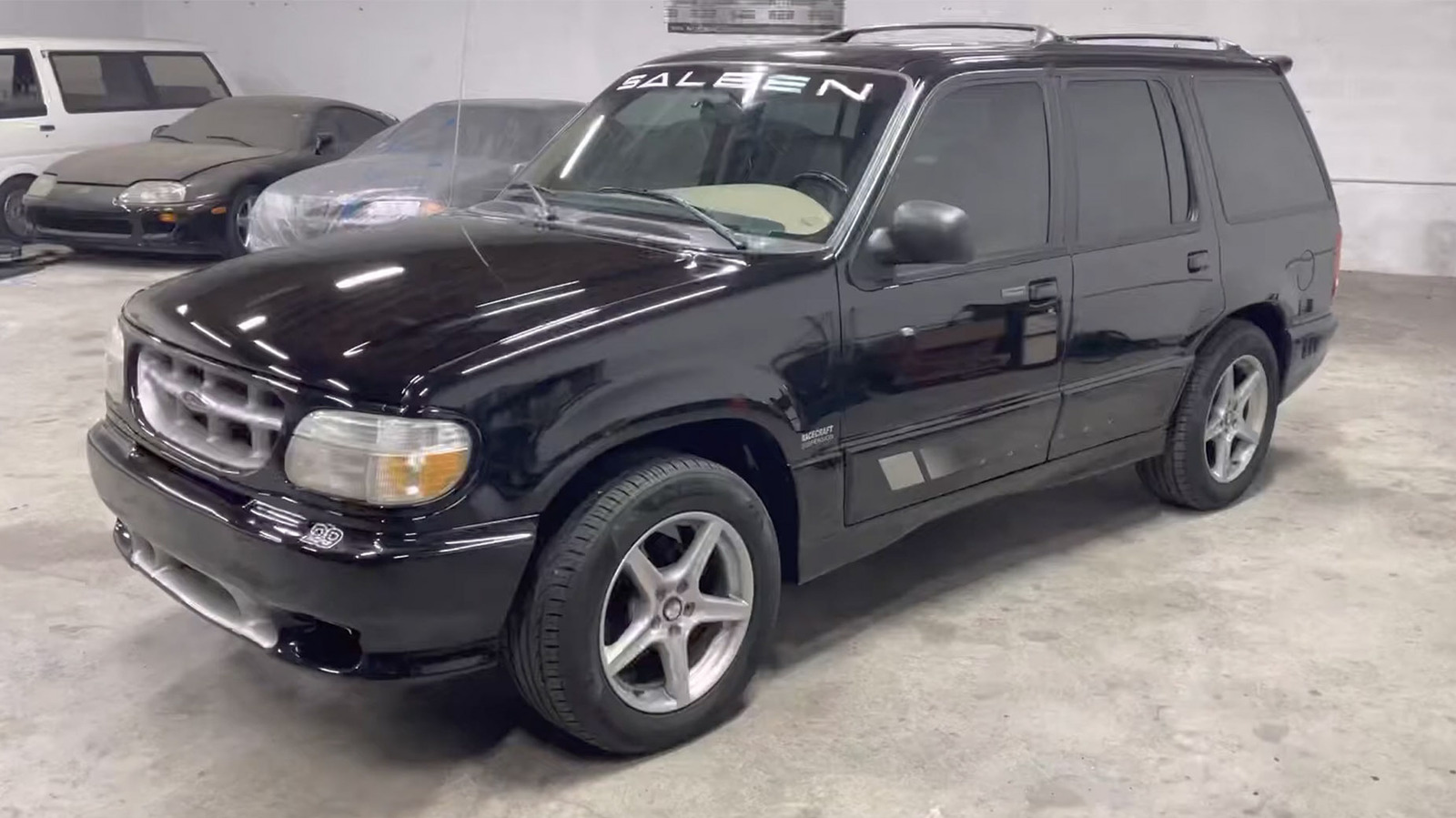
The idea that the first supercharged SUV was a converted Explorer is a stubborn bit of gearhead folklore, and it’s worth untangling what’s myth and what’s mechanical truth. This piece traces how tuners and enthusiasts pushed early SUVs past their stock limits, why manufacturers avoided factory superchargers for years, and how that landscape changed as performance demand and engineering solutions evolved. The goal is a clear, lively look at the Explorer’s unlikely place in the story and what it tells us about customization, capability, and common sense in vehicle design.
Back when SUVs were basically lifted pickups with room for a family, people who wanted speed looked to the same tricks used in muscle cars. Superchargers were a natural fit for anyone chasing horsepower, and the Explorer, with its truck-based platform and widespread availability, became an easy target. Enthusiasts and small shops could bolt on a blower, tweak fueling and timing, and suddenly that family hauler had an attitude problem.
Those early blower jobs were almost always aftermarket. The wiring harnesses, fuel systems, and cooling packages on stock SUVs weren’t set up to handle the heat and pressure a supercharger produced. That meant owners and tuners had to be inventive, often bending rules and rerouting hardware to make everything work without frying the engine. The result was functional, sometimes fast, and frequently fragile unless someone really knew what they were doing.
From a factory perspective, there were clear reasons to avoid supercharging mainstream SUVs. Packaging a forced-induction system into a cramped engine bay is one thing; meeting emissions and warranty expectations is another. Automakers had to balance customer expectations for durability, serviceability, and insurance friendliness, and for years the business case for a supercharged mass-market SUV simply wasn’t there.
Still, the aftermarket pushed the envelope and taught manufacturers a lot. Tuners proved that SUVs could handle added power if cooling, fueling, and drivetrain reinforcement were addressed. That hard-earned knowledge fed back into production thinking, nudging engineers to rethink cooling layouts, transmission clutches, and electronic control systems. Over time those improvements opened the door to more aggressive factory performance options.
When manufacturers finally embraced forced induction in higher-end or performance-oriented SUVs, they did it on their terms. Companies introduced comprehensive packages that coordinated engine, transmission, cooling, and chassis upgrades so the vehicle felt cohesive, reliable, and safe. It’s a different world when the supercharger is part of the design from the start rather than an aftermarket add-on grafted onto a vehicle not intended for it.
The Explorer’s alleged role as the first supercharged SUV is less about a factory badge and more about its ubiquity and adaptability. Early conversions were visible because Explorers were everywhere, and a modified example stood out in traffic. That visibility helped cement the idea in popular memory, even though the blowing itself was a shoehorn operation rather than a factory engineering decision.
For owners considering a supercharger today, the takeaway is straightforward: do the homework. Modern factory-supercharged SUVs exist, and they come with systems engineered to handle the extra power. If you’re looking at an aftermarket route, plan for supporting mods and be honest about maintenance and longevity trade-offs. Performance is thrilling, but reliability and safety have to be part of the package.
Looking back, the story is less about one model making automotive history and more about how enthusiasts pushed boundaries until makers caught up. The Explorer’s place in that narrative is a mix of practicality and happenstance: it was common, capable of being modified, and visible enough to become a legend. That legend is a reminder that automotive progress often starts in garages and race shops before it lands on assembly lines.
