
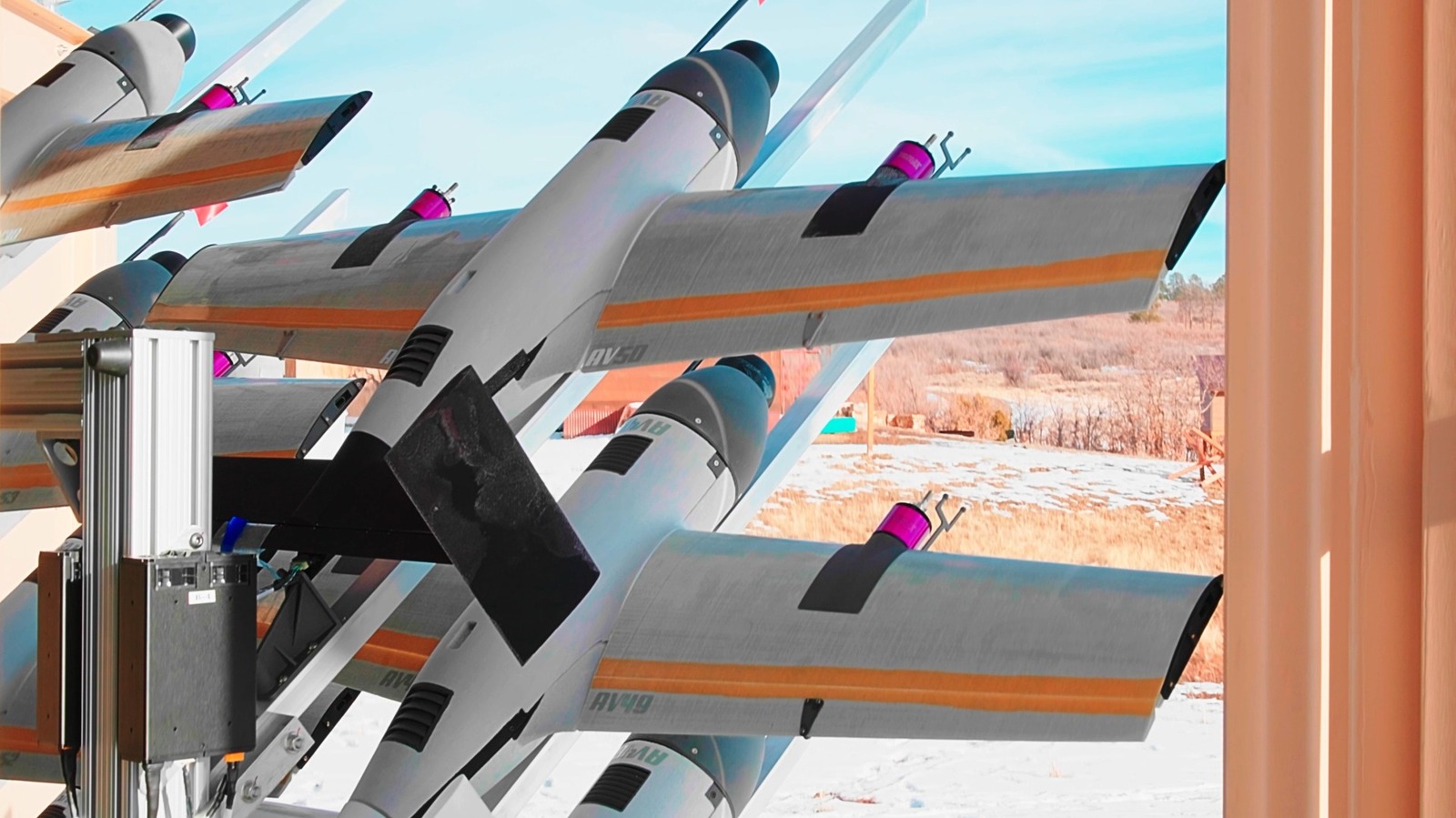
Drone warfare is reshaping how conflicts start, move, and end by packing a lot of capability into small, mobile systems. This piece looks at a new container concept that can hold up to 100 drones and launch them in minutes, how that changes tactics and logistics, what countermeasures are emerging, and what operators and planners need to consider next. The tone is practical and grounded, focused on capabilities and implications.
Imagine a shipping-sized container that hides a swarm-ready drone force until the moment a commander wants to use it. These containers are not a single aircraft carrier but a distributed, launchable pool of platforms that can be dispersed, redeployed, or abandoned if needed. The core advantage is obvious: volume and surprise. A hundred small drones can create effects that used to require far fewer, larger assets.
The tactical shift is significant. Instead of flying a handful of high-value manned sorties, forces can send swarms on layered missions—surveillance, electronic attack, decoy, and strike—simultaneously. That multiplies options at the front line and compresses decision timelines for the defender. It also forces opponents to reconsider how they allocate sensors and interceptors across a broad spectrum of threats.
Logistics and deployment get a makeover too. A containerized drone pack reduces the need for airfields and heavy basing infrastructure; trucks, ships, or rail can carry the capability wherever the route allows. Rapid emplacement means planners can stage force projection discreetly and at lower cost. That flexibility lowers the barrier for frenetic, short-notice operations that exploit fleeting windows.
Not all drones in a swarm need to be identical. Mixing small reconnaissance UAVs with loitering munitions and electronic warfare payloads gives commanders richer toolsets. One platform type can scout and designate, another can jam or spoof enemy radars, and cheap strike drones can burden defenses economically. The result is a combined-arms effect at small scale but high tempo.
Defenders face a hard problem. Traditional air defenses were designed to stop a few big threats, not hundreds of small, cheap, and expendable systems. Layered defenses that blend soft-kill measures like jamming and spoofing with hard-kill interceptors and directed energy are rising in priority. But deploying and coordinating those layers in time remains a steep technical and organizational challenge.
Rules of engagement and legal concerns follow close behind technological change. When dozens of autonomous or semi-autonomous drones operate in contested spaces, attribution, proportionality, and discrimination questions multiply. Commanders and policymakers must make clear choices about autonomy limits, oversight, and accountability before systems are fielded at scale. Those choices shape doctrine and technology design alike.
Cost dynamics matter. Sending a swarm of cheap drones changes the calculus: losing dozens might be tolerable if the mission succeeds and strategic effects are achieved. That affordability encourages experimentation and risk-taking, but it also raises escalation risks if adversaries feel pressure to respond in kind. Budget planners will be watching both procurement and sustainment demands as these systems mature.
On the technological side, autonomy, networking, and logistics automation are the engines making containerized swarms viable. Robust mesh communications, resilient navigation in GPS-denied zones, and mission-level autonomy let many platforms act as a single coordinated force. At the same time, improving battery tech and compact propulsion will extend loiter times and range, widening what a containerized suite can actually do in the field.
Operational lessons are still emerging, but one is already clear: small, mobile launch nodes change the geometry of conflict. They force new thinking about concealment, mobility, and redundancy while stressing defenses engineered for older patterns of war. Commanders who plan for distributed, fast-moving drone effects will gain options; those who do not will face surprise and rapidly shifting risk on the battlefield.
