
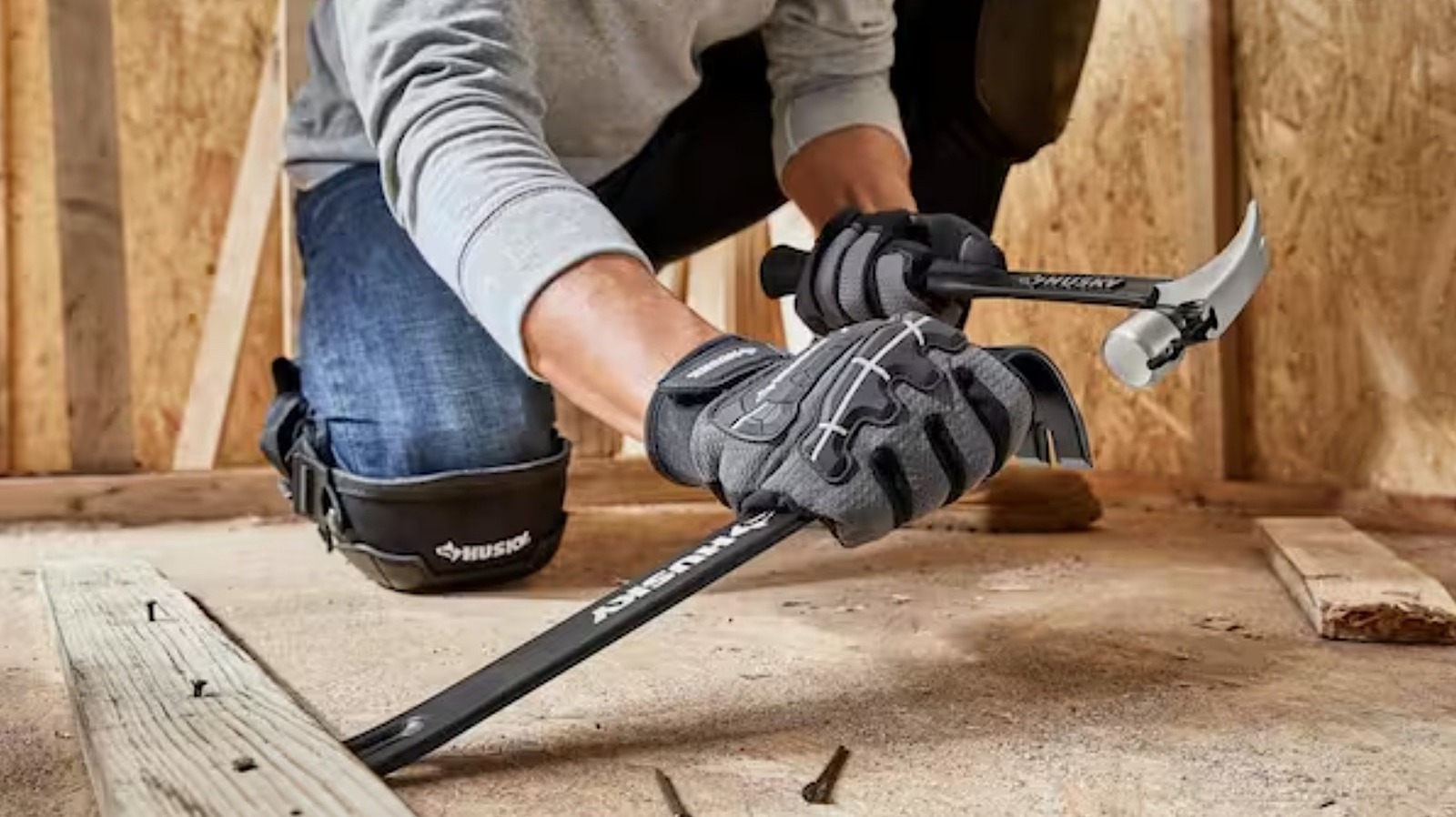
Husky is Home Depot’s value line for hand tools, and this piece looks at why so many of its sub-$25 items earn solid marks from users, which specific tools deliver the best bang for the buck, and how to decide when a cheap Husky tool is all you need versus when to upgrade.
Husky exists to give homeowners and casual tinkerers access to decent hardware without the sticker shock. The brand targets everyday tasks rather than heavy industrial duty, so expect sensible materials, practical designs, and prices that make it easy to keep a toolbox stocked. People often pick Husky when they want reliable basic performance without spending on pro-grade gear.
One reason Husky tools get good reviews is consistent, straightforward engineering. Handles are molded for grip, metal parts are solid enough for occasional heavy use, and finishes usually resist corrosion for a long time. For under $25 you can find comfortable pliers, sturdy screwdrivers, and small wrenches that won’t bend the first time you apply a little torque.
Popular low-cost picks include multi-bit screwdrivers, slip-joint pliers, compact adjustable wrenches, and measuring tapes. Those items cover a huge chunk of everyday projects, from hanging shelves to tightening loose fixtures. A basic utility knife or a small ratchet set also slips into that price range and often surprises people with how useful it is around the house.
Users praise Husky for practical features you actually notice, like magnetic bit tips, ratcheting handles that click smoothly, and easy-read tape measures. Those small touches matter when you’re working in a tight space or trying to hold a screw and a board at the same time. Pay attention to build quality: a well-finished blade or a snug ratchet makes a cheap tool feel a lot less disposable.
Husky tools shine for DIYers who need something that works now, not gear built for every minute of a long shift. They’re great for weekend projects, emergency fixes, and the toolbox of someone learning the basics. If your day job depends on tools, or you work on heavy machinery, you’ll eventually want to move up to higher-end brands designed for relentless, professional use.
There are moments when the extra investment is worth it, especially for torque-critical tasks or power-tool accessories where failure can cause injury or big repair bills. For fasteners on expensive parts, precision instruments, or constant daily use, a pro-level option gives better tolerances and longer life. For the rest of us, a Husky under $25 often delivers more than enough capability.
To squeeze the most value from these budget buys, inspect the part before you take it to the register: check the feel of the handle, the smoothness of moving joints, and any visible finish flaws. Big-box sales and seasonal promotions are good times to grab sets that would otherwise exceed your price cap. Buying individual items rather than large novelty sets usually means better quality for the same money.
Care extends a cheap tool’s life—clean off grime after a job, loosen locking tools before storing them, and oil hinges or ratchets if they start to feel stiff. Avoid using a screwdriver as a chisel or a wrench as a hammer, since misuse is the most common reason inexpensive tools fail. A little maintenance turns a budget purchase into a dependable companion for years.
For casual users, Husky’s sub-$25 range is a practical way to build a capable kit without fuss. These tools won’t replace professional-grade gear, but they will keep a home running and handle most repairs with minimal drama. If you want sensible performance at a sensible price, Husky deserves a look.
