
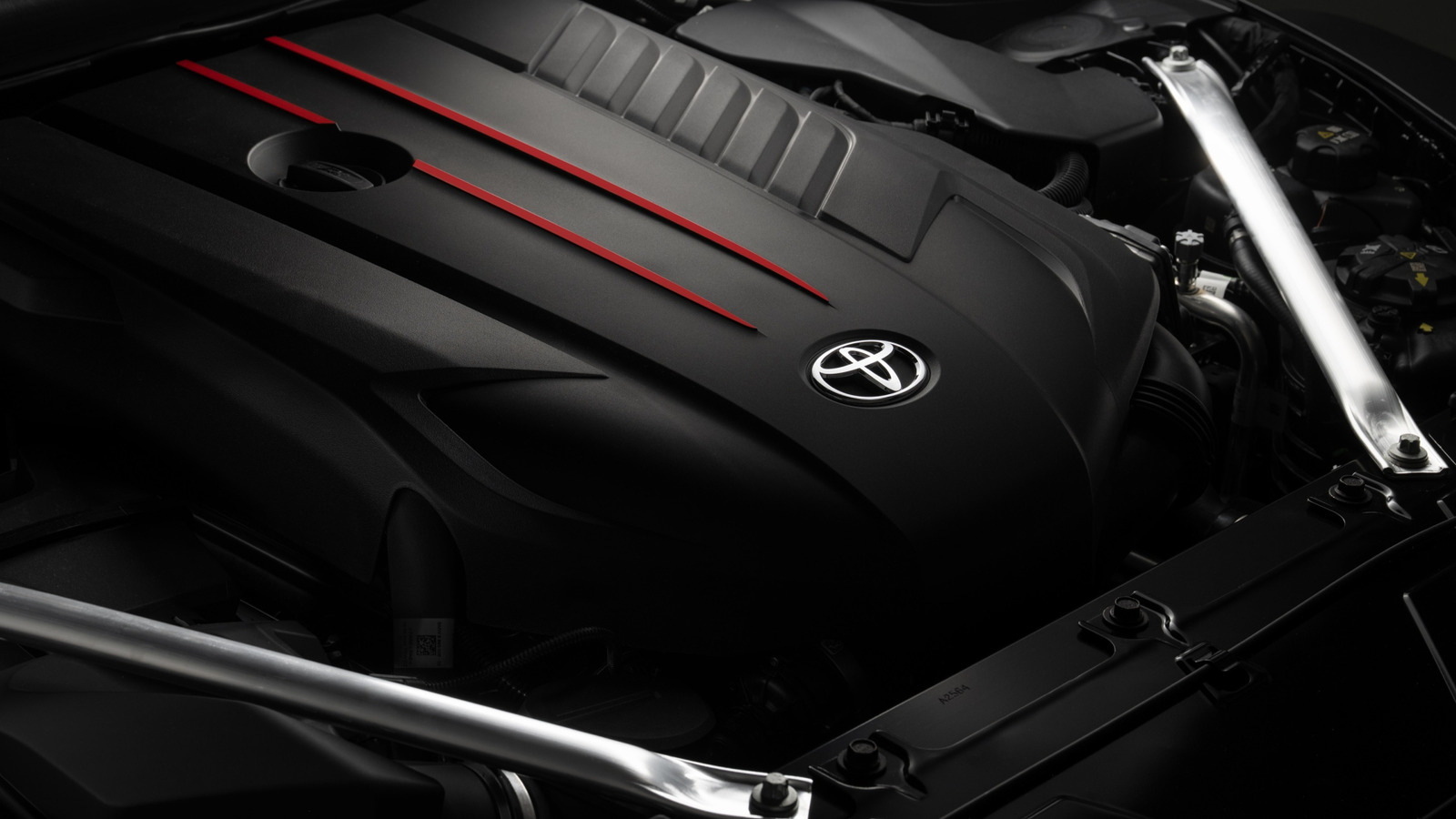
Toyota built a reputation in tuner circles on the back of legendary six-cylinder engines, and the story of the brand’s latest inline-six shows how that legacy meets modern realities and outside collaboration.
Toyota’s six-cylinder history reads like tuner folklore: engines that took boost, handled abuse, and responded to creative hands under the hood. Names like the 2JZ became shorthand for durability and aftermarket potential, and that reputation helped shape a culture where Toyota hardware was synonymous with high-revving reliability and big power builds.
Fast forward to the modern era and the rules have changed. Emissions standards, homologation costs, and global market demands make developing a clean-sheet engine increasingly expensive and slow, so manufacturers look for partnerships that let them compete without reinventing the wheel every time. That shift set the stage for a key moment where Toyota’s most recent inline-six wasn’t only Toyota’s doing.
The 2020 Supra is the clearest example: Toyota and BMW worked together on the platform and powertrain, and the Supra shipped with a BMW-developed inline-six. That partnership raised eyebrows among purists who had romanticized the idea of a new Toyota-six born entirely in-house, but it also gave the car a modern, efficient straight-six with strong tuning potential. The collaboration was pragmatic: both companies got a sportscar to sell, and customers got something that drove like it belonged in the 21st century.
Tuner reaction split into frustration and excitement. On one hand, die-hards missed a Toyota-built engine with the old-school simplicity of the 2JZ block. On the other, tuners recognized the BMW-sourced B58 and similar modern sixes had very fertile ground for performance gains thanks to robust factory internals, efficient turbocharging, and advanced engine management systems. Builders adapted fast, finding new ways to extract power and make the Supra sing while keeping emissions and reliability in balance.
Technically, the divide between the eras is clear. Older Toyota sixes were conservative, mechanical, and easy to modify with bolt-on parts and simple ECUs. Modern inline-sixes lean heavily on electronics, direct injection, and complex turbo setups that squeeze efficiency and torque out of smaller displacement. That makes tuning more about software, supporting hardware, and careful calibration rather than brute-force machining and bigger injectors.
Partnerships like the Toyota-BMW arrangement also change what it means to own a performance car. Shared engines and platforms mean economies of scale, faster development, and often better crash and emissions compliance. They also mean purists must accept that the brand badge no longer guarantees a completely in-house heart. Toyota’s engineering fingerprints remain in chassis tuning and overall vehicle character, but the engine itself can be a global component born from collaboration.
The broader takeaway is that the tuner scene adapts. Enthusiasts still chase big builds and long-lived engine platforms, but they also learn new tools and techniques: flash tuning, hybrid turbos, and controlled forced induction systems that work with modern engine management. Toyota’s legacy six-cylinder status still fuels passion, even when the hardware now sometimes comes from a partner. The spirit of modification persists, and builders keep proving that a great platform plus creativity equals impressive performance.
