
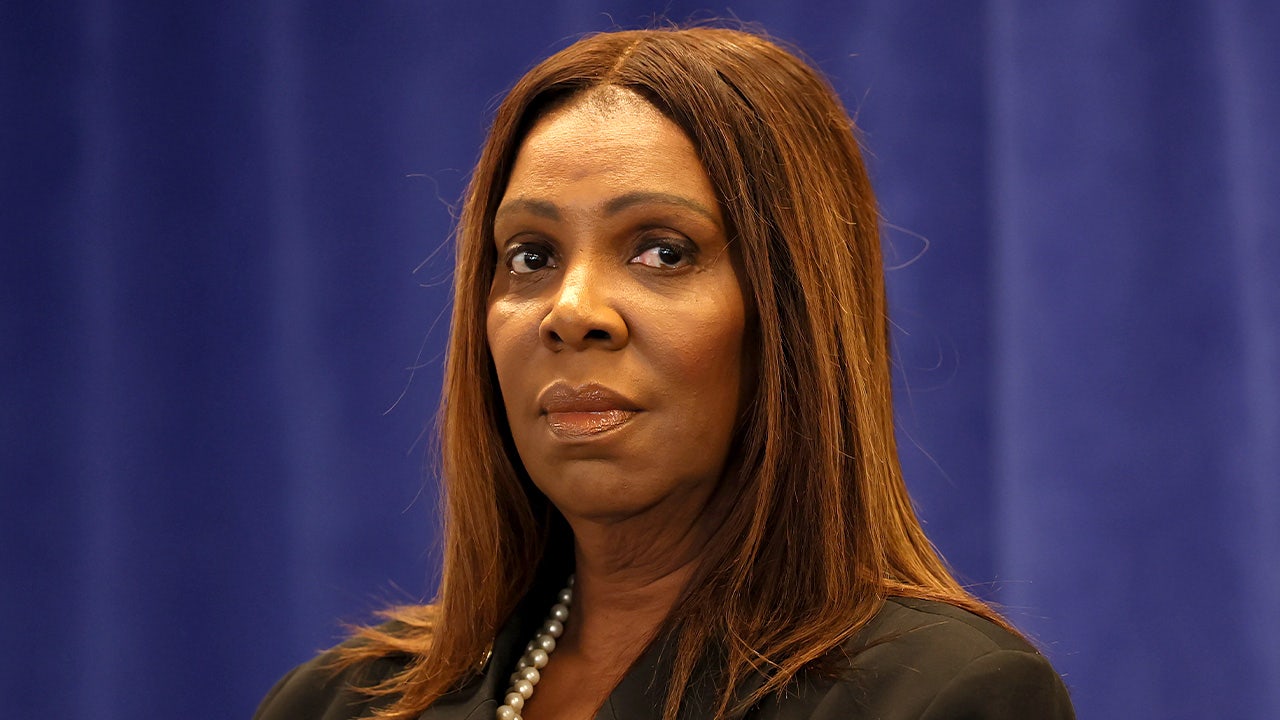
The New York attorney general, Letitia James, joined by New Jersey’s attorney general, has opened a formal inquiry into FIFA’s World Cup ticketing practices after widespread complaints about steep prices, confusing tiers, and what officials call manufactured scarcity. This investigation targets how tickets were sold, whether consumers were misled, and what role official channels and aftermarket sellers played in inflating costs for everyday fans.
The core allegation is simple and credible: Americans and others trying to buy match tickets faced confusing rules, opaque allocations, and apparent shortages that pushed prices sky high. Fans reported waiting in online queues only to be offered seats at multiples of face value, or repeatedly being told supply had run out. That pattern fits a picture of systems that benefit middlemen and harm ordinary buyers.
Letitia James’s office and the New Jersey attorney general are asking for documents and testimony to understand who set prices and how limits were enforced. This is not a partisan stunt, it is a basic accountability move: when markets look rigged and consumers lose, state law enforcers step in. The scope could reach FIFA, national associations, ticket platforms, and resellers who operate in the gray areas between official sales and secondary markets.
The investigation will probe claims of “fake scarcity” where limited releases and waitlists pump urgency and push purchasers toward resale sites at dramatic markups. Regulators will want to know whether scarcity was genuine or engineered by staggered releases and confusing eligibility rules. If official channels coordinated releases in ways that advantaged scalpers or obscure intermediaries, there will be consequences under consumer protection statutes.
Fans who try to buy big-ticket sports events expect clear pricing, fair access, and honest advertising about availability. When those expectations fail, the system looks rigged toward people with insider access, expensive brokers, or automated bots. State attorneys general can pursue civil penalties, demand refunds, and force changes to disclosure and sale practices so the next World Cup does not reward middlemen over fans.
This inquiry also raises questions about international events hosted and sold under global rules but affecting local consumers. FIFA is a transnational organization, but ticket sales to U.S. residents can trigger state consumer laws when local companies or payment processors are involved. That jurisdictional reach matters because it allows state officials to hold accountable the domestic actors who market and transact sales here.
Practical fixes could include clearer seat maps and pricing tiers, verified buyer processes that limit automated hoarding, and transparent disclosures around which sales are official and which are third-party. Technology can help, but regulation should backstop the market where tech falls short and scalpers find loopholes. Fans deserve systems that reward genuine supporters, not those who can afford to pay the highest markup.
The investigation sends a straightforward message: profiteering off confusion will attract scrutiny and state-level enforcement. Officials are not trying to second-guess ticket values, they want honest terms, open processes, and relief for consumers who were misled or shut out. If the probe finds wrongdoing, expect demands for refunds, structural changes, and new guardrails to protect fans ahead of future tournaments.
