
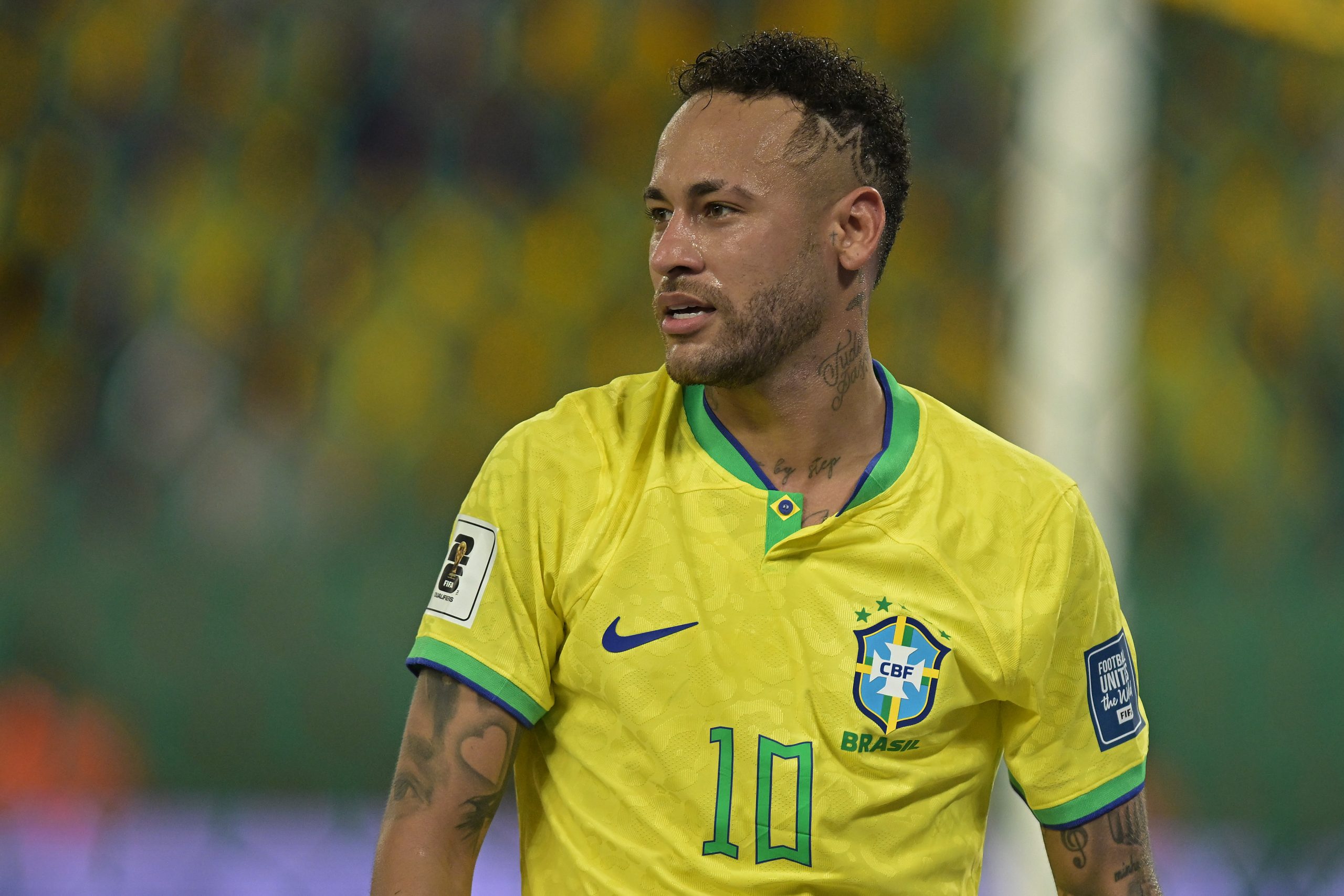
Neymar’s calf problem landed like a thunderclap for Brazil just before the World Cup. This piece looks at the injury, what it means for Brazil versus Morocco, the likely medical timeline, and how the team can adapt without its talisman. No filler, just how this reshapes the opening-game picture.
“Neymar has a calf injury and will likely not be fit for Brazil’s opening World Cup game against Morocco.” That line is the blunt reality the squad woke up to, and it changes the math on attack balance and set-piece planning. Even if he recovers mid-tournament, the opening match is now a test of depth rather than superstardom.
The immediate medical read is cautious; calf strains are notoriously temperamental and demand careful rehab to avoid recurrence. Short-term recovery often spans days to weeks, and pushing a player back too soon risks a longer layoff. Brazil’s medical staff will weigh fitness tests and pain thresholds against the immune pressure of a World Cup schedule.
On paper Brazil still looks dangerous without Neymar, but the profile of danger shifts. Expect more direct runs from the wings, heavier reliance on set pieces, and greater freedom for attacking midfielders to drive inside. Coaches can tweak formation and personnel, but losing Neymar’s vision and ability to attract multiple markers reduces automatic channels for creative play.
Who steps up is the real question. Players like Vinícius Jr, Richarlison, and Bruno Guimarães suddenly carry amplified responsibility; they will be expected to create chances and keep the front line fed. That is doable, but it asks for sharper link-up play and smarter movement off the ball against a disciplined Morocco defense. Morocco will not be easy to break down and will try to exploit any loss of rhythm that comes with reshuffling the attack.
There is a pattern to Neymar’s injury history that teams always factor into selection and workload decisions. Time and again, Brazil has managed his minutes to preserve his long-term availability, and that caution likely informs the decision to sideline him for the opener. The tournament is a marathon, and managers who ignore that tend to lose their best runners before the final laps.
Beyond tactics and lists of replacements, morale and messaging matter. The coaching staff must frame this as a collective opportunity, not just a problem, or risk a dip in confidence. Fans will be vocal and emotional, but the team’s internal tone will decide whether Brazil responds with unity or becomes fragmented by anxiety.
Looking to the immediate fixture, Brazil now faces Morocco with a slightly different game plan and with eyes on the long haul. The first match will reveal whether the team can function without its brightest star and give a hint of how deep the squad really is. Either way, the tournament just got more interesting, because a setback like this forces choices that reveal true character on the field.
