
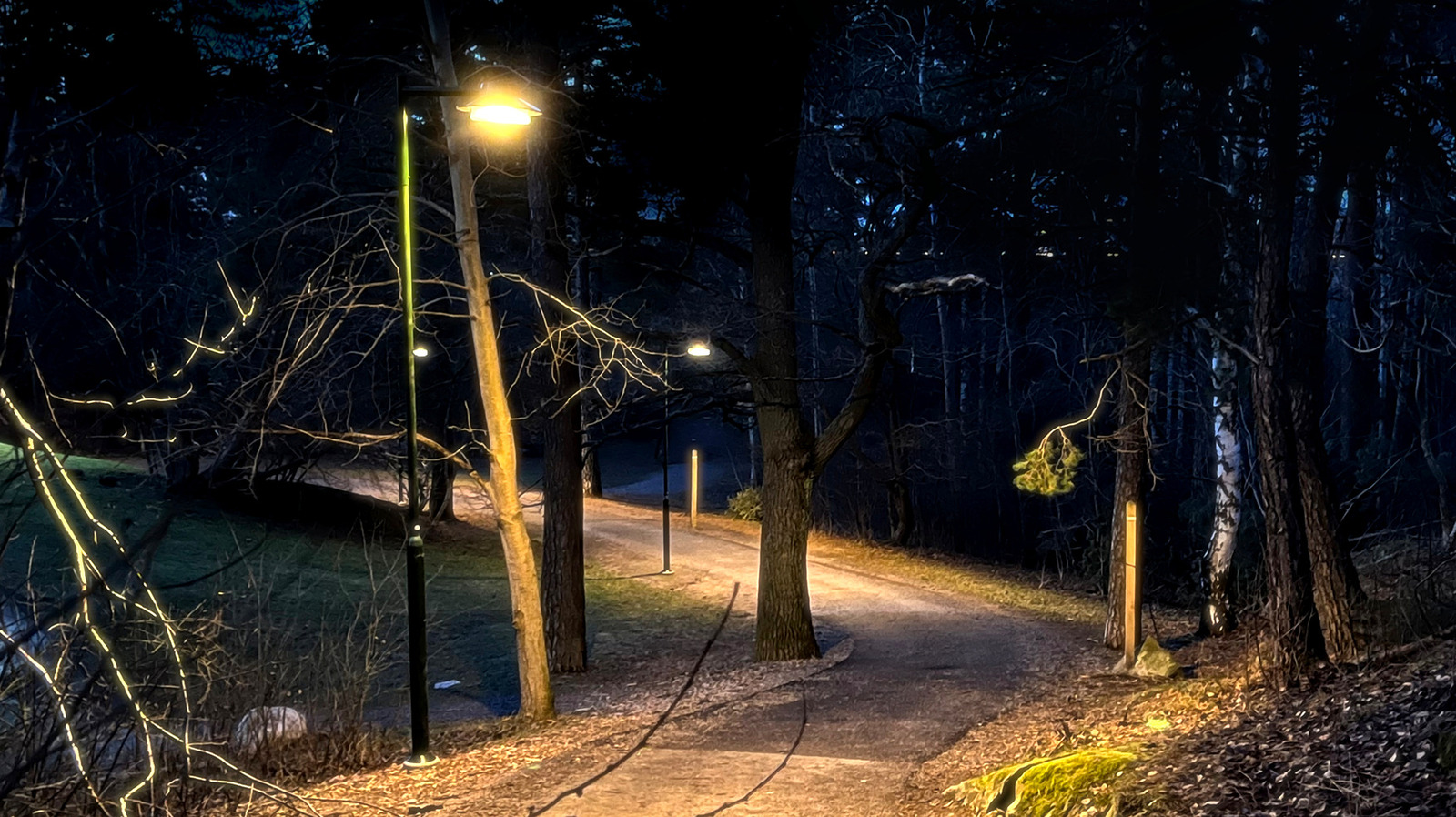
This piece looks at experiments with nighttime illumination in Stockholm and other cities, what prompts those experiments, the technologies being tested, and the trade-offs cities are weighing as they reimagine lighting after dark.
Stockholm has been testing different kinds of lighting in public spaces to balance safety, energy use, and the night sky. City planners there are trying dimmable LED systems, color temperature shifts, and motion-activated fixtures to see which combos make residents feel secure without blasting the neighborhood with glare. The experiments are practical and measured rather than dramatic, with careful monitoring of pedestrian behavior and energy consumption.
Why cities tinker with light at night comes down to three simple pressures: lower energy bills, clearer skies, and human comfort. LEDs brought huge energy savings but also created a cold, pervasive brightness that many find harsh and disorienting. Planners now ask whether we can dial back intensity or change color to preserve visibility while reducing ecological and social harm.
The toolbox for these pilots is straightforward: dimming controls, adaptive sensors, warmer color temperatures, and targeted fixtures that focus light where people actually need it. Motion-sensing poles that boost illumination only when someone approaches are getting serious play because they promise both safety and savings. Warm tones around 2,700 to 3,000 Kelvin are being tested as a way to help wildlife and reduce the blue-rich light that scatters more in the atmosphere.
Benefits are easy to list but not always simple to deliver. Lower energy use and fewer complaints about light trespass are attractive wins, and some residents report that carefully designed lighting feels more intimate and comfortable. On the flip side, too much dimming or too warm a palette can create shadowy spots that people perceive as unsafe, and perceptions of safety often matter as much as measured crime rates.
Stockholm is far from alone. Cities around the world are running modest trials to see what works in parks, residential streets, and transit stations. Each place brings its own priorities: in some European cities the emphasis is on biodiversity and preserving insect populations, while in fast-growing urban areas the focus lands squarely on reducing costs and delivering clear pathways for commuters at night. The variety of approaches provides a real-time lab for what scales well and what flops.
Community feedback plays a big role in whether a pilot becomes permanent. When officials invite residents into the conversation and show comparative data, adoption rates climb and the final installations tend to be less controversial. Conversely, rolling out new lighting without local input often triggers backlash that obscures whatever technical benefits exist.
There are trade-offs embedded in every choice. Warmer, lower-intensity lighting helps wildlife and reduces skyglow but can require more fixtures or stricter placement to avoid creating dark pockets. Adaptive systems minimize energy waste but add complexity and maintenance needs. Policymakers must weigh upfront costs against long-term savings and think about who benefits from each option.
What we know so far is pragmatic: thoughtful design matters more than brute brightness, community engagement smooths transitions, and small pilots reveal both technical limits and social sensitivities. As Stockholm and other cities collect more data, the direction of travel is clear — toward smarter, more flexible lighting that tries to respect people, wildlife, and the night sky without compromising basic safety.
