
Quick rundown: you’ll learn why pilot holes matter, how different bits change the outcome, what size hole to pick for different woods and metals, practical drilling tips to avoid splits, and when a countersink or self-drilling screw is the smarter move. This piece zeroes in on practical choices that make screws go in straighter, keep surfaces clean, and stop frustrated re-dos. Read on for the low-drama, high-payoff tactics every DIYer should know.
Pilot holes aren’t a fancy extra, they’re a small step that prevents big headaches. A properly chosen bit guides the screw, reduces material stress, and keeps fasteners aligned so they bite properly without forcing the wood apart. Think of the pilot hole as the path of least resistance that still lets the screw do its job.
Bit type matters. Brad point bits are the woodworker’s friend because they start clean and track true without wandering, giving neat entries and less tear-out. Standard twist bits work fine for general use and for metal, while countersink bits combine drilling and a chamfer so screw heads sit flush. For deep or chunky holes consider auger or spade bits, but use them only when you need a large clearance hole rather than a delicate pilot.
Size the hole to the screw’s core, not the threads. Match the pilot to the shank or inner diameter so threads still have material to grab; if the hole is too big the screw won’t bite, too small and you risk splitting. For hardwoods open the hole up slightly since hardwoods resist compression; for softer woods you can go closer to the core diameter because the fibers compress more easily.
Material dictates technique. Wood behaves differently than metal or plastic, so pick a bit and speed to match. Metal wants high-speed steel twist bits with coolant or cutting oil and steady feeds, and larger metal holes often go in steps from smaller to larger bits to avoid overheating. For plastics, slow speeds and backing support prevent melt and chipping.
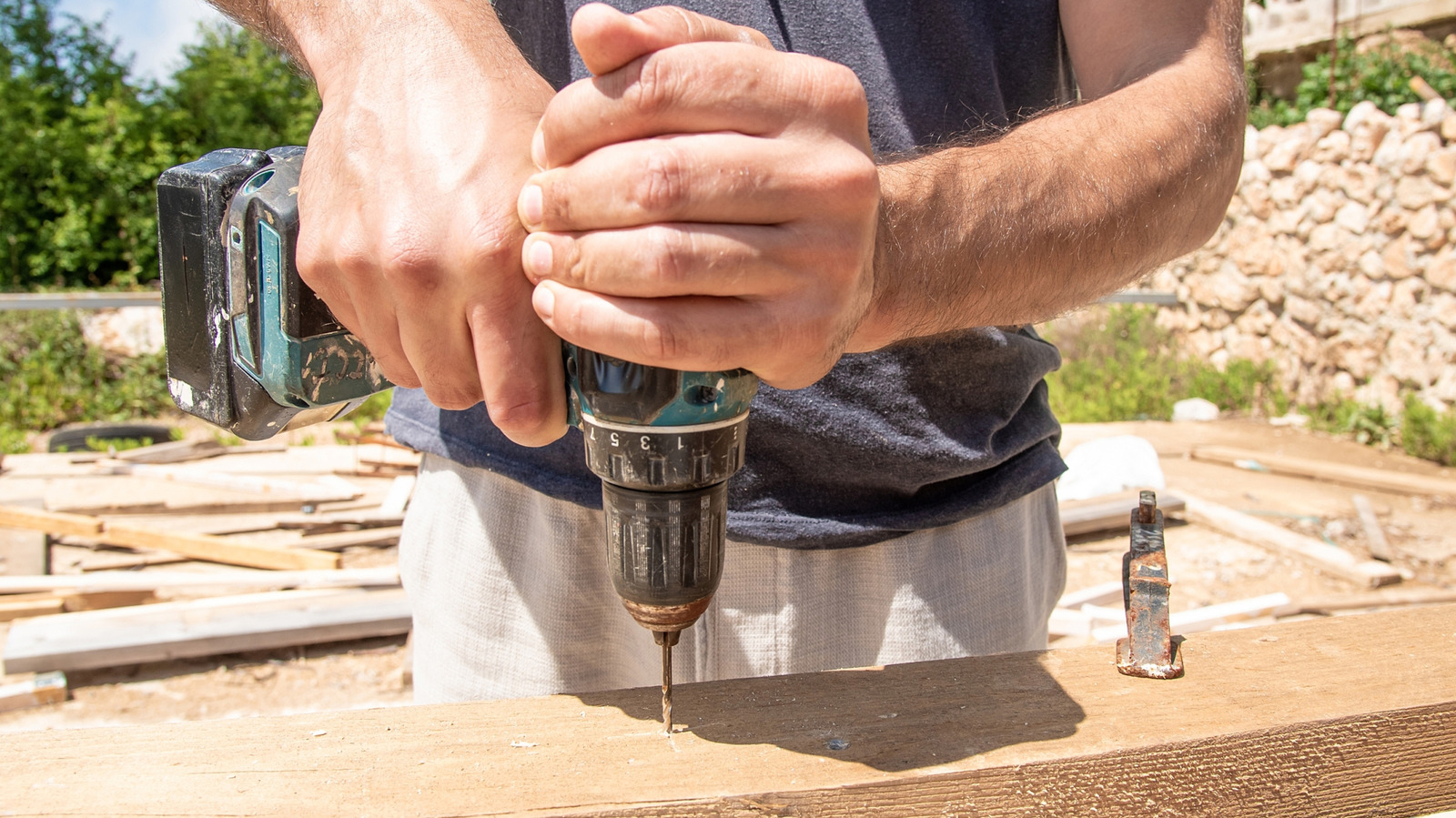
Simple habits save repair time. Clamp or back your workpiece with a sacrificial board to stop blowout at the far side, and mark your center with a punch or awl so the bit doesn’t walk. Keep the drill square to the work, start slow to establish the hole, then increase speed once the bit is tracking true. A gentle hand is better than forcing the drill and creating an irregular bore or a torn surface.
Bits that combine functions make projects faster. Countersink or combination pilot-countersink bits let you pre-seat the screw head in one pass, giving a cleaner finish and consistent depth. Use depth collars or stop bits when exact depth matters, like in joinery or when setting screws for hardware fit. Test on scrap to dial in depth and fit before touching the final piece.
Power tool choices matter for accuracy. A drill press wins when you need perfectly perpendicular and repeatable holes, while a cordless drill is fine for assembly and work on larger pieces where a press won’t reach. For angled or pocket screws, a jig and a consistent technique beat eyeballing every time.
Self-drilling and self-tapping screws have their place. For thin sheet metal and some composite assemblies they remove the need for a pilot, but in dense hardwoods or when holding power is critical, a pilot still improves performance. Pocket screws, structural lag bolts, and long deck screws almost always benefit from a properly sized pilot and sometimes a countersink or washer to distribute load.
Little things preserve the finish. Use sacrificial pads at edges, steady pressure, and the right clutch or torque setting so you don’t overdrive and mushroom the screw or crack the surface. A drop of wax on the screw threads helps in dense wood, and lubricants on metal screws reduce heat and bind during installation.
If you remember one idea it’s this: choose the bit to match the material and the screw, clamp and back up your work, and go slow until the hole is behaving. Those simple steps turn a fiddly, nervous job into something reliable and fast. Keep experimenting on scrap until the feel and fit are predictable, and your patience will pay off in cleaner, stronger connections.
