
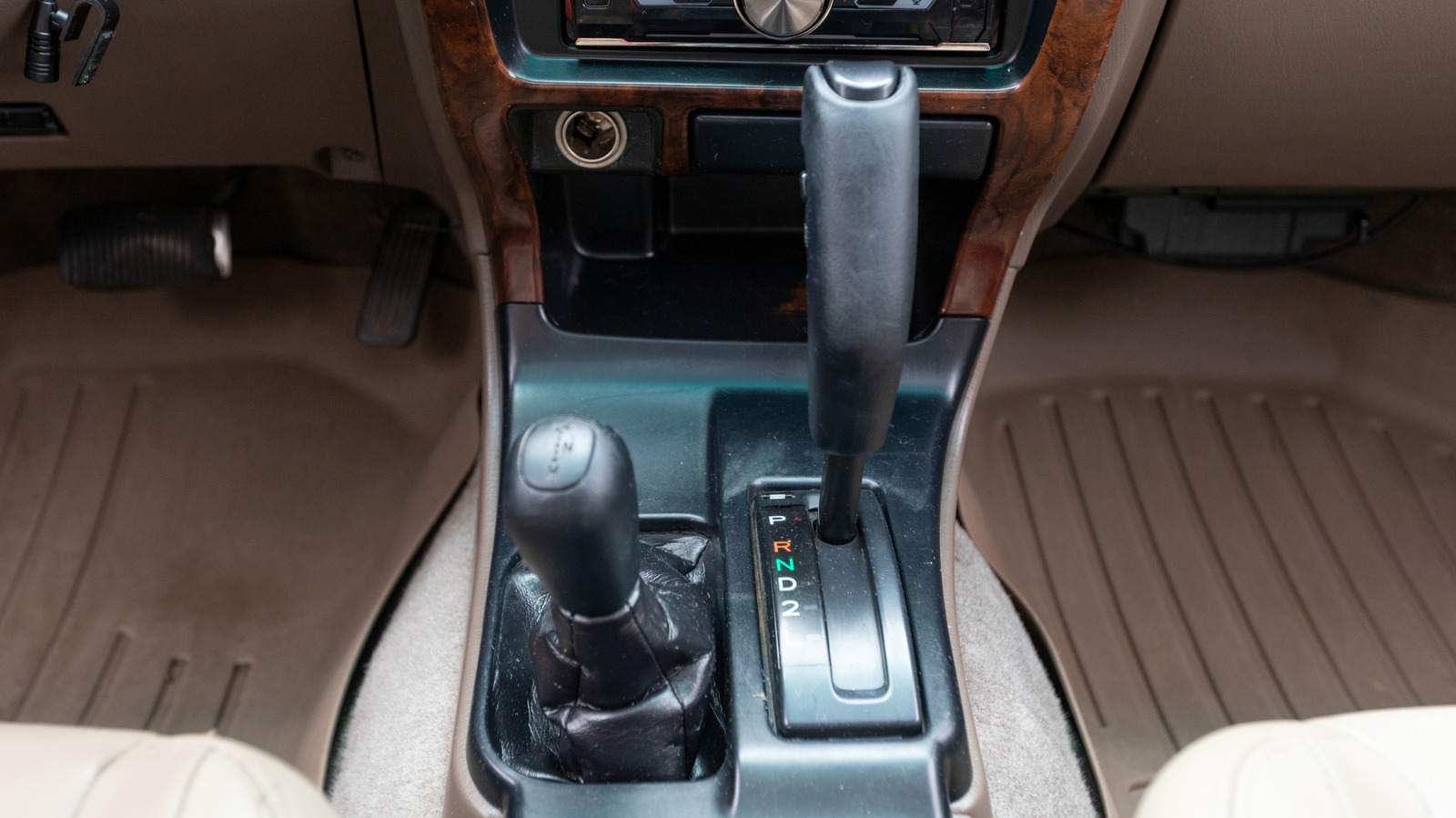
The second shift lever in many four-wheel-drive rigs is a simple mechanical tool with a clear job: give you access to the transfer case’s different ranges so the truck can crawl, climb, and pull where regular gears struggle. This piece explains what that lever actually does, when engaging it makes a real difference, and the practical limits so you don’t wear out your driveline. Read on for down-to-earth guidance about when to reach for the second lever and why it matters off the beaten path.
The second shift lever is not another gear selector for the transmission; it works on the transfer case to switch between high and low ranges or to lock the driveline for better traction. In older and many utility-focused 4WD vehicles this lever sits next to the main shifter and gives you direct control over modes labeled things like 2H, 4H, and 4L. Modern trucks often automate some of that with electronic selectors, but the mechanical lever remains common in serious off-road rigs where durability and predictability count.
You reach for that lever when traction is poor or precision crawling is needed, such as on steep, technical climbs, deep mud, loose sand, or icy roads where wheelspin must be minimized. Low range multiplies torque at the wheels and reduces the vehicle’s speed without having to slip the clutch or ride the brakes, which is invaluable when you need controlled momentum. Using the second lever also helps when towing heavy loads up grades at low speeds, or when descending steep terrain and you want engine braking instead of burning the brakes.
Engaging the lever typically shifts the transfer case into a lower gear ratio, trading road speed for torque and control; this is why low range is often called 4L. While specifics vary by vehicle, the general idea is the same: the transfer case adds another reduction stage, allowing the engine to work in a more useful RPM window for tough conditions. Because that change affects how the wheels and drivetrain interact, making the shift deliberately and at appropriate speeds reduces strain on components and keeps the system predictable under load.
Beyond raw pulling power, low range offers better modulation and safety: slow, smooth inputs let you pick precise lines over rocks, sit on a steep hill without stalling, or crawl through obstacles with minimal momentum. The torque multiplication lets the engine stay in a tractable power band so throttle adjustments are more effective and jerky movement is reduced. That control is why many experienced off-roaders prefer low range for technical sections rather than simply revving and hoping for traction.
Still, the second lever is not a cure-all. Using low range on dry pavement or at higher speeds creates wind-up and premature wear, and engaging it while turning sharply can stress U-joints, the transfer case, and tires. For everyday driving, high range or two-wheel drive is the right choice; save the low range for slow, grippy situations where torque and control matter more than speed. Regular maintenance of the transfer case, correct fluid types and levels, and knowing your vehicle’s limits will keep that simple lever delivering big benefits when you need them most.
