
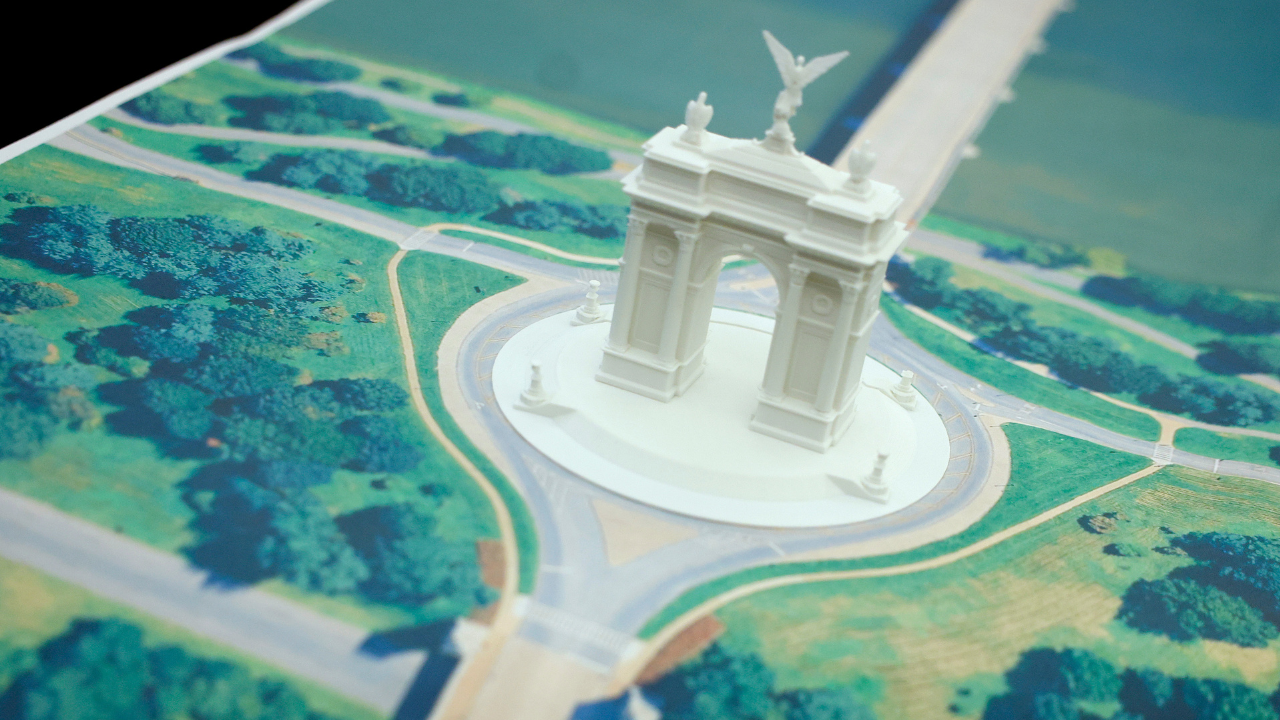
The Commission of Fine Arts has approved plans for a 250-foot Triumphal Arch near the Lincoln Memorial, a bold federal monument championed by President Trump and tied to the push for a return to classical architecture and the “Making Federal Architecture Beautiful Again” initiative.
The approved design calls for a towering Triumphal Arch that will stand 250 feet tall, decorated with eagles and topped by a statue of lady liberty. It is meant to sit across from the Lincoln Memorial and span the Memorial Bridge, creating a dramatic new gateway on the Mall. For supporters, the arch is a statement: we will celebrate national pride with monuments that match our history and ambitions.
This project fits squarely with the administration’s broader cultural aim to revive classical public architecture. Last summer the president issued the executive order “Making Federal Architecture Beautiful Again,” directing federal design to favor forms that uplift public spaces and reflect national dignity. That policy shift signals an intention to prioritize permanence, craftsmanship, and civic presence over anonymous glass boxes and temporary trends.
There is also legislative momentum behind the push. A bill introduced earlier this year, the Beautifying Federal Civic Architecture Act, aims to lock the administration’s design priorities into law so they persist beyond any single presidency. Making architectural standards statutory matters because buildings are long-lived public statements; once built, they shape public life for generations. Advocates argue this will spread beautiful, dignified architecture beyond Washington so more Americans can access inspiring civic spaces.
Support for classical design is not just about aesthetics; it’s about civic storytelling. Grand buildings and monuments tell citizens they belong to something bigger than themselves, that institutions are rooted and serious. Growing up around the Whitley County Courthouse in Indiana, many found that simple courthouse dome inspiring, a reminder that local life had weight and that public institutions deserved care and honor.
The Triumphal Arch idea taps into that same instinct on a national scale. It is designed to celebrate America’s 250th birthday and to assert a confident national identity. For conservatives, this feels right: public architecture should be unabashed in praising the country, not apologetic or minimal. The arch is classic President Trump; it signals a willingness to build grand, lasting things worthy of our heritage.
Critics will call it ostentatious or partisan, but monuments have always been political expressions of values, and this one is meant to unify around pride in the republic. The Commission of Fine Arts approval is a practical milestone, not an endpoint; there will be design, funding, and construction decisions ahead. Still, breaking ground on a project like this would be a visible sign that the federal government is investing in monuments that endure.
Beyond the Mall, the argument reaches local communities: federal design standards that favor beauty can encourage investment in town squares, courthouses, and civic buildings across the country. Good design can inspire civic engagement and give ordinary places a sense of permanence. These are buildings people will pass for decades, and conservatives see value in making them memorable, dignified, and built to last.
Public architecture reflects public priorities, and choosing noble forms is a deliberate act of cultural leadership. The Triumphal Arch proposal is more than a monument; it’s a declaration that the nation will once again prioritize visible, classical beauty in its public face. If constructed, it will stand as a new landmark and a statement that America is eager to celebrate its history and confidence through the buildings we leave behind.
