
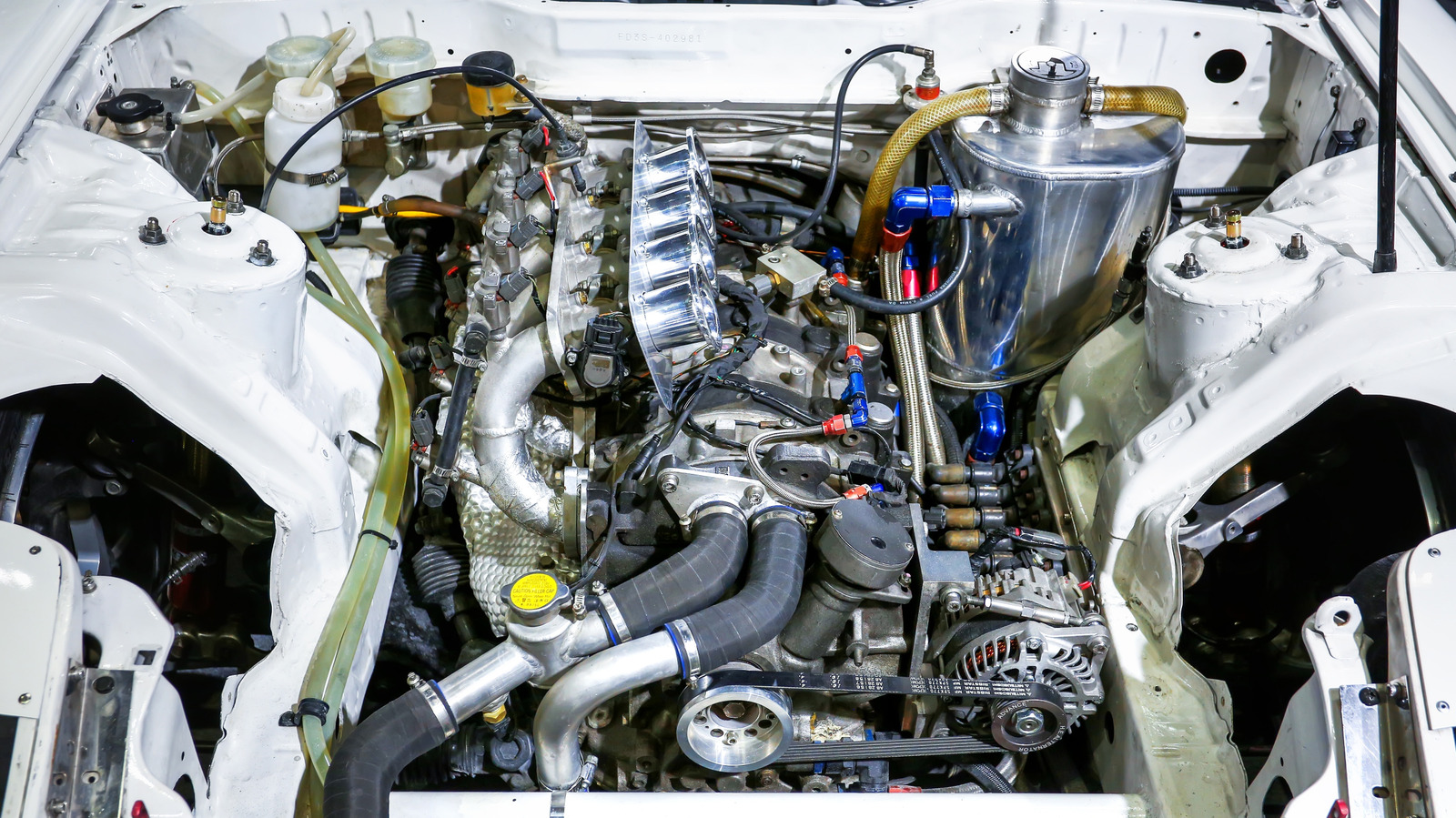
This piece dives into why a handful of powerplants earn a reputation as tuner favorites, the traits that make them versatile, and the practical considerations anyone should weigh when hunting for one of these 12 engines to build into a high-performance project.
Some engines simply start ahead of the pack thanks to a mix of internal strength and straightforward design. Builders look for thick cylinder walls, generous bearing surfaces, and valvetrain geometry that tolerates higher revs or boost without catastrophic failure. Those mechanical advantages make certain units natural candidates for serious tuning work.
Beyond raw hardware, aftermarket depth is the lifeblood of tuning, and the popular dozen tend to have it in spades. When pistons, rods, cams, and turbos are easy to find and competitively priced, a tuner can iterate quickly and affordably. That ecosystem also brings tuned ECUs, dyno-tested maps, and community knowledge that shrinks the learning curve.
Forced-induction friendliness is another common thread among top choices, because adding boost is the most direct way to multiplies power. Engines with lower factory compression or stout rotating assemblies accept turbo or supercharger upgrades with fewer internal changes. It’s a huge time and money saver when the bottom end already tolerates higher cylinder pressures.
Simplicity matters more than enthusiasts sometimes admit, especially when time and budget are tight. Engines with modular, well-documented layouts are easier to disassemble, inspect, and upgrade — and that reduces surprises during a build. Bolt-on compatibility and straightforward accessory drives cut swap complexity and keep projects moving forward.
Cost and parts availability are practical filters that quickly narrow the field; a legendary engine on loan from a museum does no one any favors. Examples that turn up in salvage yards and from multiple manufacturers give builders options for cores, donor parts, and affordable replacements. That access makes it realistic to take risks and learn without risking financial ruin.
Electronics and tunability are a double-edged sword: modern engines offer precision fueling and timing control, but they can also mean proprietary ECUs and complex wiring. The best candidates strike a balance — they’re modern enough to benefit from closed-loop control and datalogging, yet well-supported by aftermarket tuners who can rewrite the logic without a factory-only lockout. That ability to tune makes power gains repeatable and driveable.
Thermal and fueling headroom are often overlooked but critical for sustained performance. Engines that respond well to upgraded cooling, improved oiling, and higher-flow fuel systems stay reliable under prolonged stress. A package that manages heat and maintains consistent pressures makes high-power builds achievable without constant babysitting.
Choosing among these engines comes down to goals, budget, and how much of the work you want to do yourself. Some platforms are perfect for low-cost, high-reward street builds, while others shine as the backbone of a competition-focused machine. Lean into community resources, plan for incremental upgrades, and prioritize parts that protect the engine as you chase higher output.
