
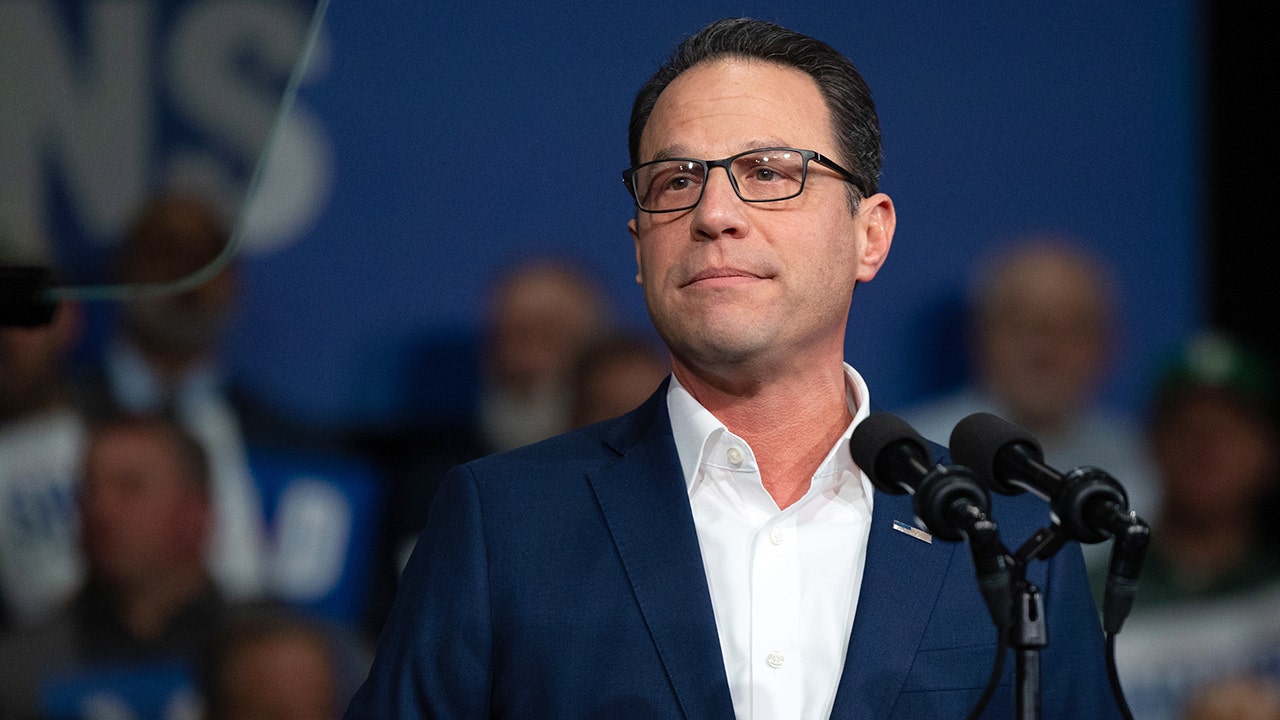
Pennsylvania Gov. Josh Shapiro has thrown himself into another high-stakes legal fight with the Trump administration, this time over federal family planning grants and abortion-related conditions that he says would threaten access to care. The clash lands in the middle of a broader red-blue battle over taxpayer funding, abortion policy, and how far Washington can go when it puts guardrails on public health money.
Shapiro joined a multistate lawsuit on Thursday challenging new Title X grant conditions that the administration says are meant to keep taxpayer dollars away from elective abortion and support “life-affirming” services. The governor framed the change as a direct hit to low-income Pennsylvanians who rely on clinics for what he called “lifesaving reproductive care and family planning services,” including cancer screenings and testing for sexually transmitted infections.
The lawsuit is not just about paperwork or grant language. At its core, it pushes back on a federal effort to tighten the line between family planning dollars and abortion-related activity, with the complaint targeting requirements that recipients “maintain strict separation from prohibited activities” and align with HHS priorities around “life-affirming, lawful, and ethical program delivery.”
That language has set off a familiar political firestorm. Critics say the fight is really about protecting Planned Parenthood and similar organizations from losing access to federal support, while supporters of the new rules argue the government should not be writing checks to groups tied to abortion services in any way, directly or indirectly.
Live Action blasted Shapiro’s stance and accused him of defending taxpayer funding for Planned Parenthood under a softer-sounding label. “Governor Shapiro is calling Planned Parenthood’s services ‘lifesaving care’ while fighting to keep taxpayer dollars flowing to the nation’s largest abortion chain,” Noah Brandt, vice president of communications and government affairs at Live Action, said. “There is nothing lifesaving about abortion.”
The administration’s position is straightforward: Title X already bars abortion as a use of the money, and the new terms are meant to reinforce that boundary. The complaint argues the added conditions could still squeeze providers out of the program even when abortions are handled outside the federally funded portion of their work.
Pennsylvania’s share of Title X funding is not small, either, with the complaint citing $12,729,659 in fiscal 2026. That helps explain why the lawsuit has become such a sharp flashpoint, since even a modest shift in how grants are managed can ripple through clinics, patients, and state health departments.
Shapiro’s own record adds more fuel to the argument. His administration has backed Medicaid coverage for abortion, increased reimbursement rates for abortion services, and joined other legal efforts pushing for expanded access to mifepristone, making his latest move feel less like a one-off and more like part of a steady pattern.
The timing makes the fight even louder. This filing was Shapiro’s second lawsuit against the Trump administration in as many days, after he joined a separate coalition challenging new federal requirements for mail-in ballots ahead of the November midterms.
The new case is being led by New York, Maryland, and Massachusetts, with more than 20 mostly blue states and governors signing on. They are asking a federal court in Maryland to block the administration from applying the disputed conditions to Title X applicants and grantees.
Neither Shapiro’s office nor the White House immediately responded to requests for comment, which left the legal papers and the partisan rhetoric doing most of the talking. That is often how these battles go, with both sides using the courtroom as a stage and the policy as a proxy for a much bigger fight over life, money, and power.
For Republicans, the issue is hard to miss. They see a basic question of whether federal dollars should be kept away from abortion politics, while Democrats like Shapiro are staking their case on access, public health, and the idea that families should not get boxed out of care because Washington changed the rules.
