
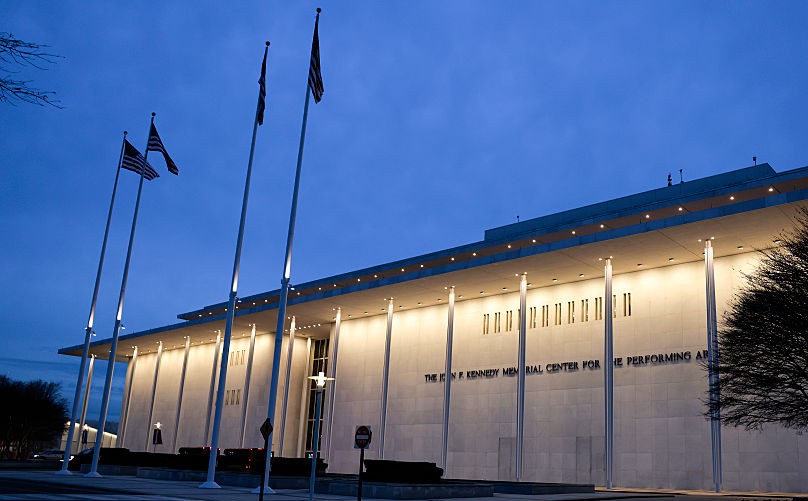
The new documentary debuting in Washington centers on a Trump Justice Department report that alleges systemic anti-Christian bias within parts of the Biden administration, and it argues this bias has real consequences for religious freedom across the country.
The film walks viewers through the report’s key claims with urgency, laying out examples where government officials and agencies treated Christian institutions differently than others. It does not present a passive overview. Instead it pushes a clear message that this pattern threatens the basic right to freely practice religion without political interference.
At its core, the documentary frames the issue as one of equal treatment under the law. It points to incidents of selective enforcement, hostile rhetoric from certain officials, and policies that disproportionately burden Christian groups. The argument is that these actions amount to a systematic problem rather than isolated mistakes.
From a Republican perspective, this is about protecting the First Amendment and checking a government that appears to favor some beliefs over others. The film argues that when the government treats one religion as a suspect class, the result is not just unfairness but a chilling effect on worship, ministry, and religiously motivated service. Conservatives watching the piece will see familiar themes: liberty under threat and the need for accountability.
The documentary also highlights the human side of these policy battles, interviewing pastors, non-profit leaders, and families who say they have been hassled or shut out because of their faith. These personal stories are powerful and meant to make the policy debate feel immediate and urgent. They underscore that this is not just legal theory but everyday life for communities trying to serve and worship.
Legal experts featured in the film lay out how the alleged bias shows up in investigatory focus, grant denials, and public statements that cast Christian viewpoints as problematic. The documentary suggests a pattern of priorities that leave religious groups vulnerable to enforcement actions. The message is clear: equal protection must mean equal treatment in practice, not just in theory.
Proponents in the film call for structural fixes and stronger safeguards to prevent future bias, including clearer guidance, impartial oversight, and firmer adherence to constitutional protections. They argue that reforms should restore trust in government institutions and prevent officials from weaponizing their power against religious citizens. To viewers who value religious liberty, those steps feel both reasonable and necessary.
Politically, the documentary is timed to galvanize voters and influencers who care about faith and freedom. It positions the issue as one of cultural and legal significance for upcoming debates, insisting that defending religious liberty will be a central test for any administration. For those on the right, the film is a call to action rather than a neutral report.
Stylistically, the piece mixes archival footage, interviews, and excerpts from the report to build a coherent narrative. It trusts the audience to see the pattern and reach the natural conclusion that bias, once allowed, spreads. The filmmakers want viewers to leave not merely informed but motivated to demand accountability.
This documentary will likely become a touchstone for discussions about religion, law, and government power. It presents a straightforward claim: when a government agency appears to target one faith, the consequences ripple through communities and institutions that rely on equal treatment to do their work. The film aims to spark scrutiny, debate, and movement toward protecting the freedoms many Americans hold dear.
