The week’s pop culture and civic theater mixed awkwardly: a late-night farewell turned into a headline-grabbing lip lock, a blockbuster director is fielding culture war noise before his film opens, a daytime host clashed with a mayoral contender who lost his home to wildfire, and the hunt for the next James Bond finally kicked into gear. These moments touch on celebrity spectacle, casting debates, media outrage, and the messy intersection of public life and private loss.
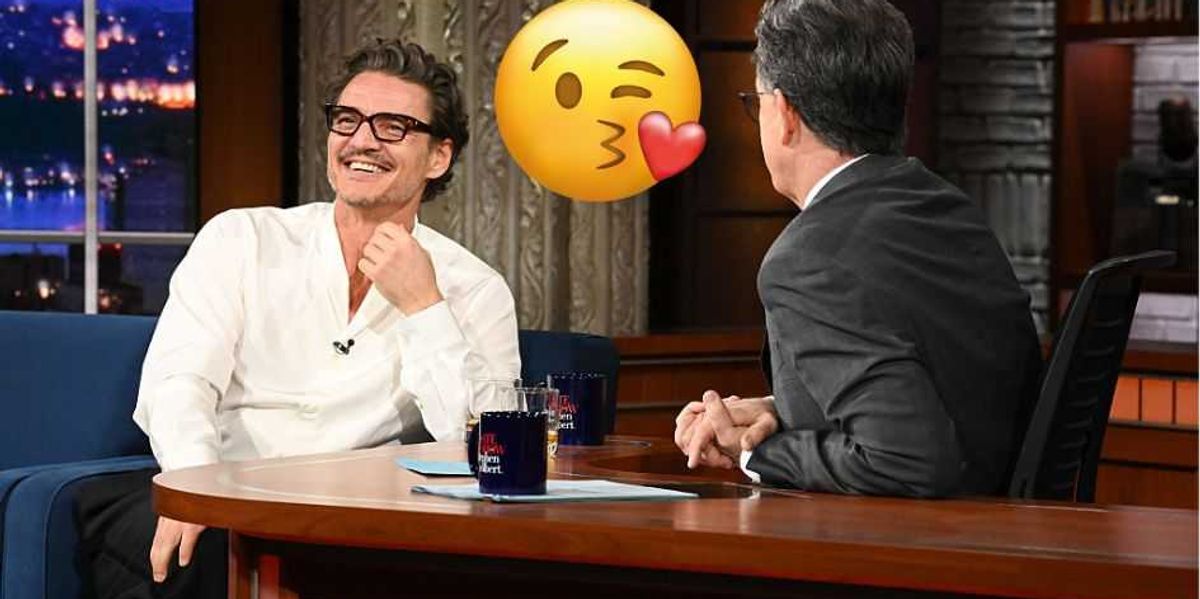
The late-night bow between Stephen Colbert and Pedro Pascal felt less like a classy farewell and more like attention-seeking theater. Pascal, promoting his work, pressed for an on-camera send-off and got an emphatic kiss on the lips from Colbert. The exchange lit up social feeds, with plenty of people rolling their eyes at the spectacle rather than applauding it.
It’s fair to ask whether these stunts help sell a movie or just fuel celebrity culture’s most indulgent impulses. Colbert’s impending exit from late night has produced a tidal wave of praise that already feels performative, and this moment landed squarely in that zone. Some viewers walked away entertained, others annoyed, and the divide says more about how we consume fame than about the actors involved.
Christopher Nolan’s upcoming adaptation of The Odyssey is supposed to be a tentpole event for film fans, but casting choices have sparked predictable cultural pushback. Putting Lupita Nyong’o in the role of Helen and including Elliot Page on the roster has people debating what authenticity means in epic storytelling. Nolan argued creative tradition and artistic liberty as reasons for certain casting moves, but the fallout shows how fast commentary turns into a full-blown controversy before audiences ever see the movie.
Nolan’s decision to bring rappers and modern musical sensibilities into a classical epic — and to take questions well ahead of the release — reads like early damage control. The studio press schedule suddenly accelerated, and that alone tells you that fights over representation and creative license are shaping the publicity plan. Fans want to see a great film; culture warriors want to pick a side, and studios end up trying to thread that needle.

The daytime television dust-up this week landed squarely in the political lane when Whoopi Goldberg took aim at Los Angeles mayoral hopeful Spencer Pratt. Goldberg’s commentary accused some would-be leaders of being out of touch with communities that have been devastated, and her tone suggested a moral test for anyone running for office. For conservatives and Republicans watching, the exchange underscored how media figures often frame political candidates with sweeping moralism instead of parsing policy.
Pratt’s backstory matters here: he lost his home in the Palisades Fire and says city response and red tape have left families stranded. That personal loss pushed him into the political arena, and voters should expect a candidate shaped by real-world consequences rather than salon debates. When public figures dismiss someone’s lived experience without addressing governance failures, it looks like moral posturing to those who want accountability and results.
I don’t know what qualifies as the right way to be a politician, but what I do know is they have to be the people who understand what people are going through. And if you don’t understand what people are going through, in the way they’re going through it, when you’re talking about communities, whole communities that have been burned out, whole groups, legacies that are gone.
That exact quote captured the tone of the exchange and why Pratt’s critics need to reckon with the context of his candidacy. Blaming bureaucratic inertia, permit delays, and insurance hurdles for stalled rebuilding is a policy critique, not a personality attack, and it’s a discussion voters deserve to have. If media figures want to weigh in, they should do so with specifics instead of broad strokes.
The James Bond franchise finally has fresh momentum after years of rumor and speculation, with the studio signaling the formal search for the next 007. Denis Villeneuve’s involvement as director gives fans hope for a stylish, cinematic reboot, and that’s a smart move from a creative perspective. Even so, the internet will predict and panic in equal measure, and polling-driven hot takes will likely drown out reasoned conversation about who can carry that iconic role.
Rumors about casting will flood headlines whether they’re grounded or not, and social media will manufacture controversies where none exist. That dynamic has become the default promotional engine for major franchises: controversy equals clicks, clicks equal free publicity, and the real work of filmmaking gets squeezed behind the noise. For anyone who loves cinema, the sensible hope is that talent and storytelling win out over the clamor.
Across these stories, the common thread is how spectacle, identity debates, personal tragedy, and media theatrics collide in public life. Whether it’s a staged goodbye on late night, a director defending creative choices, a candidate shaped by loss, or the endless swirl around casting gossip, audiences are left sorting signal from soundtrack. The best response is to focus on substance, expect accountability, and not let outrage replace the conversations that actually matter.