
The recent hantavirus scare tied to the MV Hondius cruise ship has public health officials asking whether everyday places — garages, cabins, boats and storage units — might be acting as hidden risk zones, and this piece walks through where the danger comes from, which strains matter, how people get exposed, what signs to watch for and the simple steps that cut that risk down.
The outbreak on the MV Hondius focused attention on a rare South American strain known as the Andes virus, which is notable because it can spread between people after prolonged close contact. The Andes strain is the only hantavirus documented to have that human-to-human capability, making it an outlier compared with the more common U.S. hantaviruses. That fact has pushed experts to revisit how and where Americans could encounter the virus in daily life.
ANDES VIRUS LINKED TO CRUISE SHIP DEATHS RAISES CONCERN OVER HUMAN-TO-HUMAN SPREAD
Most hantavirus cases in the United States show up in the desert Southwest and along the West Coast, but pockets exist elsewhere depending on rodent populations and human habits. “In Texas, cases are mostly seen on the west side of the state,” she told Fox News Digital. Local strains like the Bayou variant circulate in east Texas and west Louisiana but are generally less infectious in humans than western strains such as Sin Nombre.
Hantaviruses typically jump to people from infected rodents, especially deer mice, via urine, droppings or saliva that contaminate dust and surfaces. People usually become infected by inhaling tiny particles stirred up when dusty areas are swept or when storing and unpacking boxes that sat undisturbed for a long time. Rodent bites are a much less common route, but they can happen.
HANTAVIRUS OUTBREAK TIMELINE HIGHLIGHTS KEY MOMENTS IN DEADLY CRUISE CRISIS
Risk is highest in enclosed or poorly ventilated spaces where rodents have nested for weeks or months, so think garages, sheds, attics, barns and crawl spaces first. Storage units, kitchen cabinets, spaces behind appliances, unused cars, RVs, campers and boats are all plausible hiding spots for nests. The National Park Service notes many human cases are linked to buildings that became heavily infested over winter and then get opened up in spring.
Signs that rodents have been around include droppings, shredded nesting material, gnaw marks, strong musky odors and scratching sounds in walls or ceilings. Those clues matter because you do not need to see a mouse to be at risk; contaminated dust or debris left behind is enough to cause infection. “Most people are exposed when cleaning out sheds and garages where rodents have been living,” Yancey confirmed.
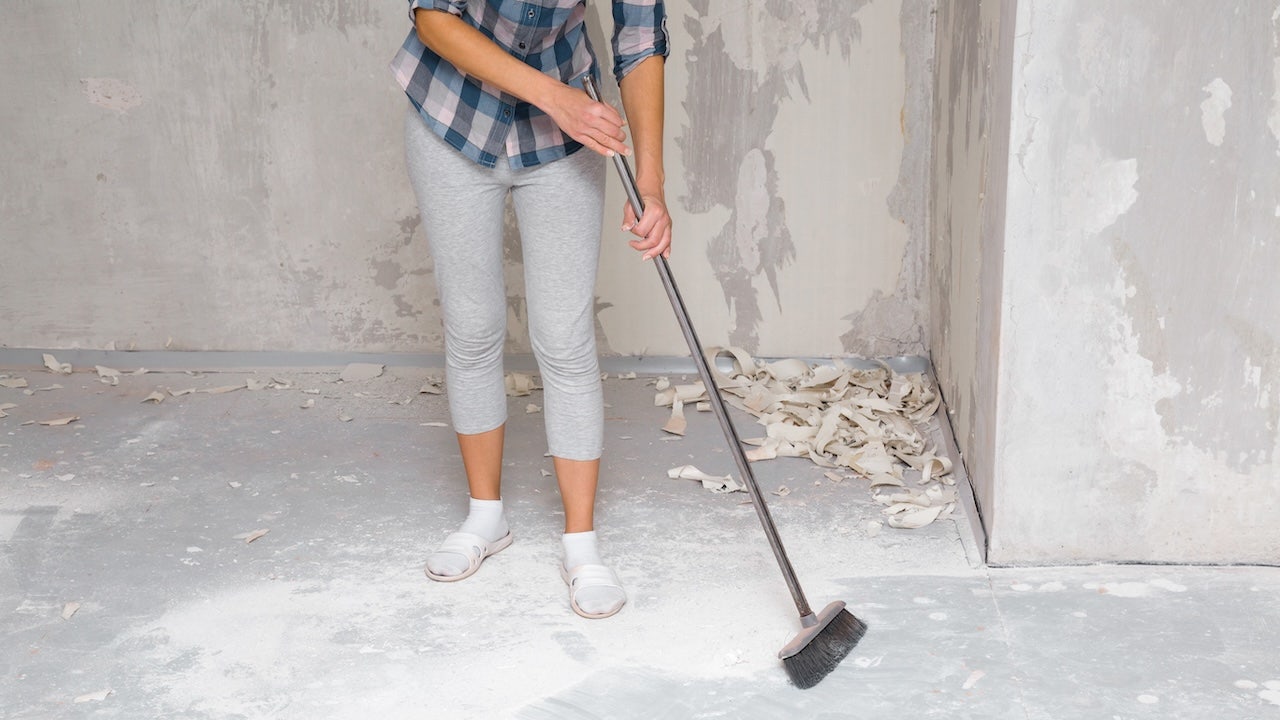
When reopening or cleaning spaces that might have housed rodents, simple precautions sharply reduce danger. Public health guidance advises against vacuuming or sweeping droppings and nests, because that can aerosolize virus particles. Instead, wear gloves, wet down surfaces with disinfectant, wipe up debris with paper towels, dispose of waste safely and wash hands thoroughly afterward.
For those cleaning structures, a mask and a diluted bleach solution to dampen dust and debris are recommended to lower inhalation risk. “This will help kill the exposed virus and reduce the amount of infectious dust,” Yancey said. The CDC echoes that approach and stresses careful, methodical cleanup rather than quick sweeping that kicks particles into the air.
Outside of buildings, handling firewood, disturbing burrows or working in rodent-prone outdoor areas can also expose people to hantavirus. Public health experts emphasize that hantavirus is still rare in daily American life, and risk varies by region and behavior. “It is very rare in the U.S. and is seen out west, but rarely,” he told Fox News Digital. “We need to avoid overpersonalizing the risk of a very rare virus.”
