
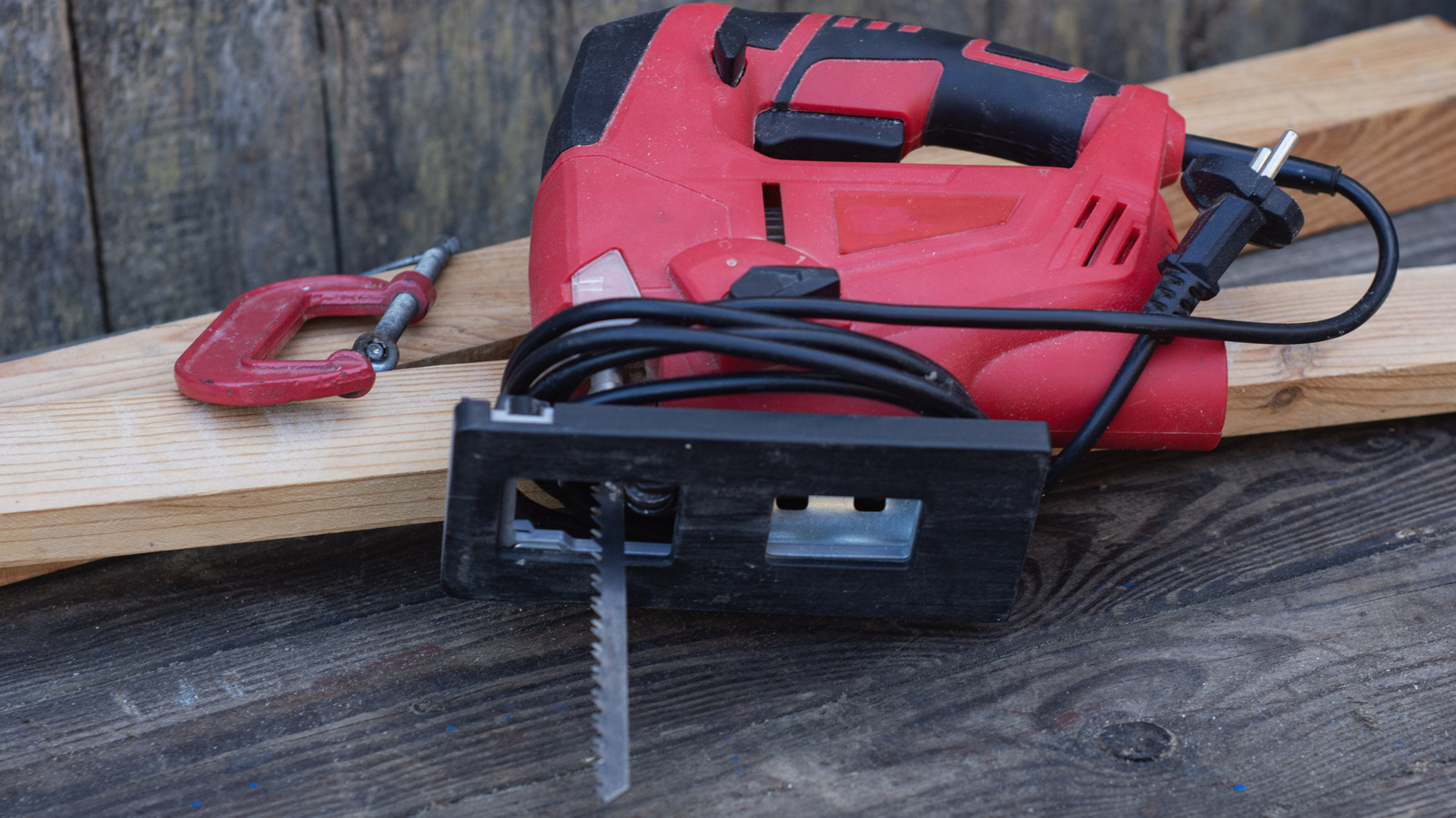
Choosing a corded power tool often comes down to cost, consistent power delivery, and job-specific needs. This article walks through the practical advantages and the real-world risks of plugging in instead of going cordless, with clear advice on staying safe, getting the most life from your tools, and when a corded choice simply makes sense.
Corded tools deliver steady power without the worry of battery charge cycles, which means you get full torque from start to finish on demanding jobs. They tend to cost less up front, and for many professional tasks the uninterrupted power beats swapping or charging batteries. That steady delivery matters on heavy cutting, grinding, or extended demolition where a dip in power can slow work or create a safety issue.
Economics are straightforward: a corded tool usually costs less per unit of delivered work because there are no battery replacements to buy over time. Batteries degrade, chargers fail, and keeping spares adds hidden expense and bulk. For a dedicated workshop or a crew that runs tools for hours each day, the savings and simplicity can be dramatic.
But cords introduce hazards that cordless setups mostly avoid. Tripping over a cord or accidentally cutting it with a blade are real risks on a busy site, and long extension runs increase voltage drop which reduces performance. A damaged insulation or poor strain relief can turn a simple job into a shock hazard, so routine inspection and proper cord management are non-negotiable.
Pick the right extension cord when you need one; gauge and length matter. Thin, long cords can starve a tool of current and cause overheating, while undersized cords create a fire risk. Match the cord to the tool’s amp draw, and keep connectors dry and solid to prevent arcing and wear.
Ground fault protection should be part of the checklist for any corded tool used outdoors or in damp conditions. A GFCI outlet or inline GFCI extension offers an affordable layer of protection against electric shock. Also look for tools with double insulation or a proper ground prong depending on the job and local code requirements.
Cord strain and connector integrity are two maintenance items that pay off in the long run. Avoid tugging the cord to unplug a tool, keep cords coiled properly in storage, and repair or retire cords with frayed insulation. Simple habits like these reduce repair costs and keep the tool functioning safely for years.
Think about ergonomics and workflow when deciding between corded and cordless. A corded tool keeps weight down since there is no battery pack on the handle, which can reduce fatigue for repetitive tasks. On the other hand, the cord limits reach and can complicate work in tight spaces or elevated positions where mobility is key.
There are also hybrid approaches worth considering: stationing corded tools for bench tasks and using cordless for mobility, or installing dedicated circuits and retractable reels to manage long-term cord usage safely. The choice often comes down to matching the tool to the job, investing a little in safety accessories, and practicing good cord discipline to get the best of corded power without the common pitfalls.
