
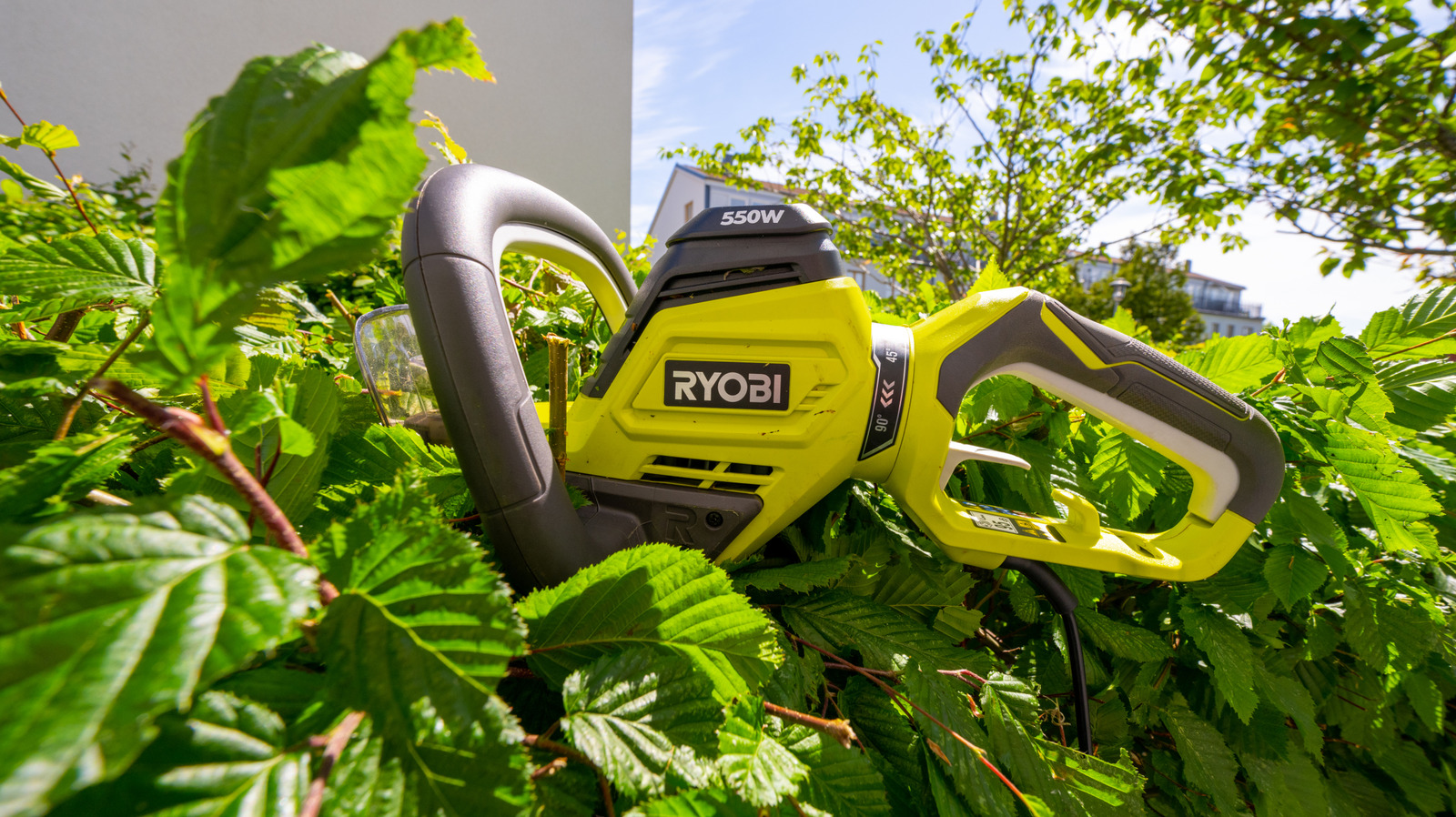
If you want cheap refurbished Ryobi tools for sale, this piece walks you through where they pop up, why they matter, what to inspect when they arrive, and how to protect your purchase without wasting time or cash. Expect clear tips on spotting real value, understanding warranties, and making batteries work for you. No fluff, just practical steps to help you score a solid tool at a fraction of retail.
Refurbished Ryobi gear is attractive because it lets you access proven battery platforms and familiar tool designs without the full new price. These tools often come back through a major national retailer with predictable return and refurb cycles, so learning the rhythm of that supply can pay off. If you like saving money and avoiding the wait for the next sale, refurbished stock should be on your radar.
The refurbishment process usually means cleaning, testing, and replacing worn parts so the tool works as intended, though cosmetic marks may remain. Discounts vary widely from modest to steep depending on condition and demand, and you’ll see labels like open box, certified refurbished, or clearance. Those tags tell a story about what was fixed and how confident the seller is in the unit.
Timing matters more than you might think. New batches of returns and refurbished items often arrive after holiday shopping peaks, during warranty-return windows, or after inventory audits, so check early in the week and mid-month for fresh listings. Store inventory pages and occasional in-store stock drops are where the best bargains get buried if you aren’t checking often. Patience and timing beat frantic buying every time.
When a refurbished Ryobi tool arrives, do a quick but thorough inspection right away: connect a known-good battery if you have one, test basic functions like trigger response and variable speed, and try any attachments that come with the kit. Listen for unusual noises and check that switches click properly; motors should sound smooth and chargers should indicate normal charging. Photograph everything before you open return windows so you have proof if something is wrong later.
Warranty and return policy are the safety net that turns a risky buy into a smart one, so read those terms before you click. Refurbished items sometimes carry shorter warranties, or they may be covered by the retailer rather than the manufacturer, which affects how you handle repairs. If you rely on a tool for serious work, consider an extended protection plan or stick to listings that explicitly mention certified refurbishment and backing.
Battery compatibility is the secret saver with Ryobi tools because their ONE+ platform means many tools share the same batteries and chargers. If you’re buying a bare tool or a kit with questionable battery health, factor the cost of a fresh battery into your math; a new battery can dramatically change the effective price per usable hour. Also check whether chargers included are appropriate for the battery chemistry and voltage to avoid slow charging or damage.
Finally, be a little strategic about price hacks without getting scammy: watch for coupon stacking windows, membership discounts, and price adjustments if a refurbished item drops further in the days after your purchase. If you find a legitimate lower price within the return or price-match window, many retailers will honor it. Keep receipts, screenshots, and the serial numbers handy so you can act fast if a better deal appears or a claim becomes necessary.
