
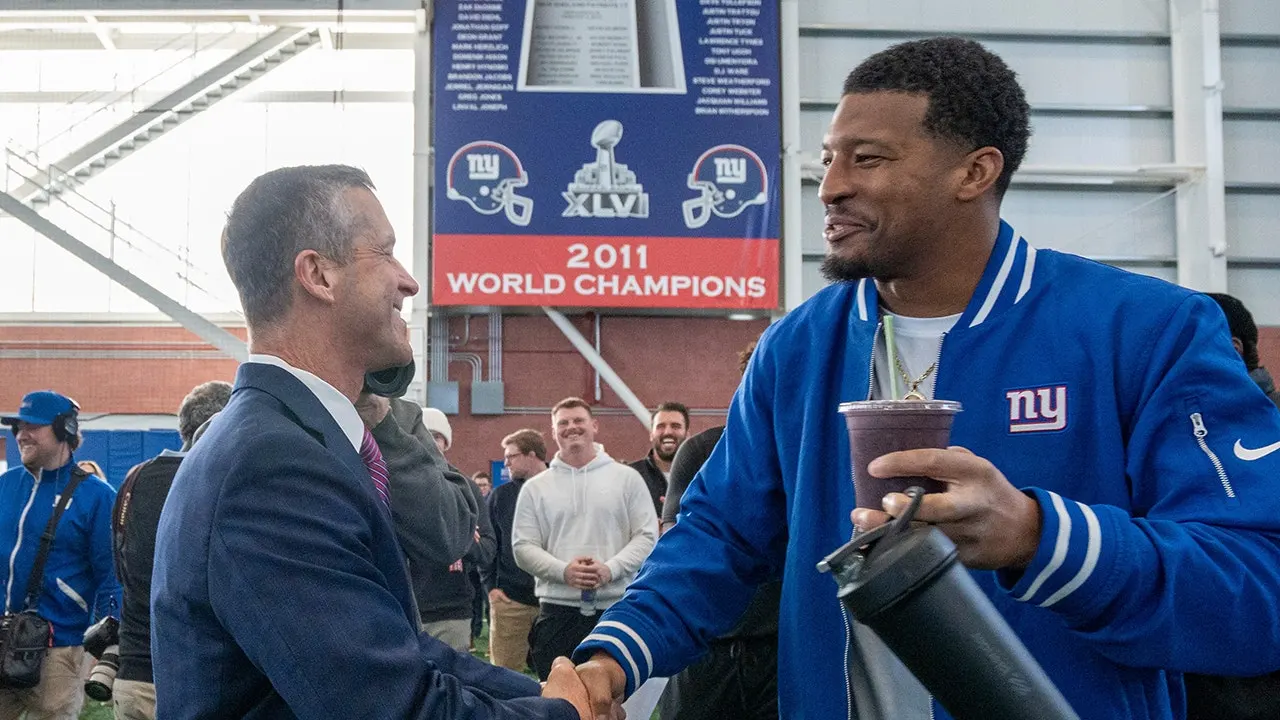
Jameis Winston has been talking up rookie Jaxson Dart, calling him electric and fearless and saying his style on the field brings back memories of Winston’s own early days in the league. This piece explores what that comparison means for Dart, for veteran rookies who mentor young QBs, and for how teams and fans might react when a newcomer plays with that kind of spark. The focus is on the qualities Winston highlighted and the realistic path from high-ceiling rookie to proven starter.
When a veteran like Jameis Winston uses words such as electric and fearless, it is more than a casual compliment. Those labels point to instincts, confidence under pressure, and a willingness to make plays that can change a game in an instant. Coaches love the upside, but they also know labels need ballast: raw talent must meet preparation and situational awareness to translate into wins.
Comparisons to a veteran’s early career are meant to set expectations but not to promise the same arc. Winston referencing his own arrival in the NFL signals that Dart shows traits Winston once relied on, such as arm strength, improvisation, and a competitive edge. Still, the road from exciting flashes to consistent production often requires coaching, film study, and a steady course through setbacks.
For the rookie, the praise is a double-edged sword. On one hand, being called electric and fearless by an established quarterback raises a player’s profile and can boost locker room confidence. On the other hand, it can accelerate outside pressure and create narratives that expect immediate results. Smart organizations channel that buzz into deliberate growth plans rather than feeding hype cycles.
From a coaching standpoint, harnessing a fearless QB is about balance. You want the aggression that creates explosive plays, but you also need decision-making that reduces turnovers and sustains drives. Coaches will likely emphasize fundamentals, situational reads, and game management while still encouraging creative play when the moment demands it.
Veterans like Winston serve as living proof for young players that an aggressive playstyle can work at the highest level if paired with discipline. Mentorship offers a blueprint: how to prepare for opposing defenses, how to manage the locker room spotlight, and how to bounce back from mistakes. Those lessons are as important as physical tools and often determine whether a promising rookie becomes a franchise cornerstone.
For the fan base, the adjective electric sparks immediate excitement. People want to see highlight plays and game-changing throws, and a fearless rookie feeds viral moments and ticket sales. But long-term support tends to follow wins and consistency, so fans invested in a sustainable run will watch for steady improvement as much as they celebrate spectacular plays.
Analysts and scouts will parse the comparison for concrete signs: does Dart read defenses quickly, does he protect the ball under duress, and does he elevate teammates? Those criteria separate a flash-in-the-pan athlete from a developmental success. The evaluation window usually spans multiple games and practice habits, not a single highlight reel.
It is worth remembering that every quarterback’s journey is unique. Winston’s early style shaped his path but did not guarantee specific outcomes. Calling Dart electric and fearless speaks to a shared temperament, not an inevitable destiny, and it sets a productive starting point for questions about coaching adjustments and long-range planning.
In the short term, expect renewed attention on Dart whenever he takes the field and on how his team manages his reps and growth. In the long term, the crucial measure will be whether that initial fire translates into smarter risk-taking, fewer turnovers, and leadership that lifts the entire offense. Winston’s nod is meaningful, but the next chapters will be written on game day and in the film room.
