
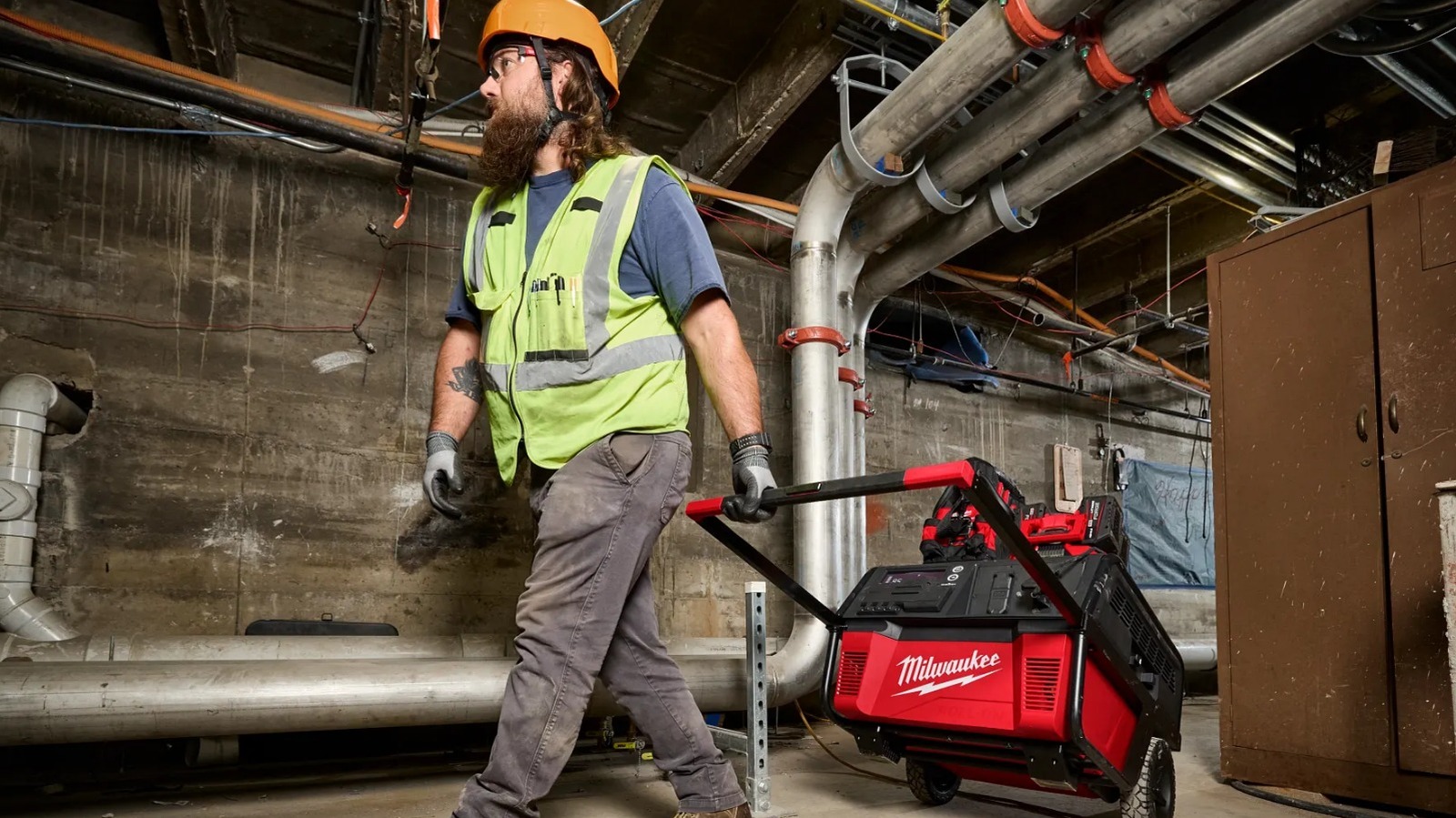
Milwaukee’s reputation for a deep, practical toolkit keeps growing as the company rolls out fresh hardware that looks built for real work, not showroom shine. This piece walks through why these upcoming tools matter, how they build on Milwaukee’s ecosystem, and what tradespeople and homeowners should watch for as the lineup expands.
Milwaukee has always leaned into giving professionals gear that lasts through the day and the next, and these new additions keep that streak alive. Expect more tools that plug into the same battery platform and take advantage of proven motor tech, so teams can swap batteries without wasting time. That continuity matters for crews who move between jobs and need predictable performance from the tool bag. In other words, these are not novelty items; they extend a system that already works on job sites worldwide.
The emphasis on battery compatibility remains a big selling point, because cordless tools are now the default on most jobs. Delivering new cordless models that share batteries with drills and saws keeps costs down and logistics simple, which is exactly what small contractors and serious DIYers want. Beyond the batteries, look for thoughtful ergonomics and balanced weight, so the tools feel less like instruments of fatigue and more like extensions of your hands. Those small design choices add up to a faster, cleaner day at work.
Performance-wise, these upcoming pieces feel like step-ups rather than experiments, with brushless motors and optimized gearing intended to keep torque high and heat low. That matters in applications like driving long runs of fasteners, cutting into tough materials, or pulling stubborn bolts free. Robust electronics for soft-starts and stall protection are part of the package too, because protection for the tool often means protection for the job timeline. Reliability is not glamorous, but it keeps foremen and homeowners smiling when projects stay on schedule.
Durability is another recurring theme with Milwaukee, and the new parts look built to take hits and keep working. Reinforced housings, sealed internals, and impact-rated accessories are all in the playbook, and they reduce the downtime that kills productivity. For people who work outside or in cramped, rough conditions, a tool that survives the daily grind is worth more than a flashy spec sheet. That real-world toughness is what turns a tool from a one-off purchase into an integral piece of kit.
Accessories and attachments are where the ecosystem really shines, because they let a single tool handle a bunch of different tasks. Expect new cutters, blades, and specialty bits that slot into existing platforms so users can tackle plumbing, electrical, framing, and finish work without buying whole new systems. That modularity is both economical and clever; it stretches budgets and reduces waste. It also makes it easier for hobbyists to step up to pro-level gear without breaking the bank.
Finally, these launches signal that Milwaukee is listening to users who want tools that perform, last, and play nice together. The approach is practical: improve the tools where it counts, keep battery and accessory ecosystems intact, and focus on features that make a real difference on the job. For builders, tradespeople, and serious home users, that kind of steady, user-focused growth is what transforms a good tool brand into a trusted partner on every project.
