
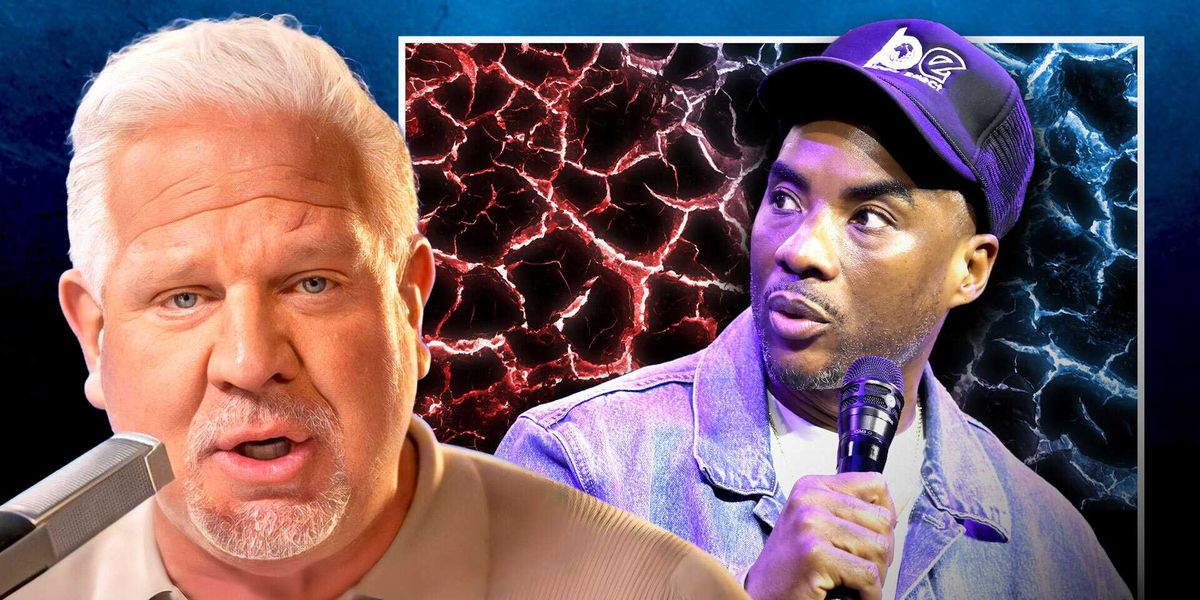
The recent exchange between Charlamagne tha God and Glenn Beck spun out of a reaction to an assassination attempt aimed at President Trump, and it boiled down to whether explaining the roots of radicalization is the same as excusing violence. Charlamagne tried to draw attention to how people get pushed over the edge, while Beck fired back that even talking about understanding someone’s motives can slide into justification. That clash opened up a bigger debate about responsibility, rhetoric, and where empathy ends and endorsement begins.
The conversation started after Charlamagne commented on the latest assassination attempt against President Trump and suggested people should talk about what drives someone to such extremes. He framed his remarks around the need to understand radicalization without endorsing violence. That stance set the stage for a blunt response from Glenn Beck, who saw a dangerous step in tolerating explanations that border on sympathy for violence.
“You know who Glenn Beck is, right? Y’all know who Glenn Beck is, right? He was recently having a conversation on his radio show, I believe, about some of my comments in regards to the shooting that happened at the White House Correspondents’ Dinner,” he began.
Charlamagne followed with a longer defense designed to make the point that context matters even when condemning acts. “My comments were simple. There is no place for political violence in our society. None. I don’t condone it, but I think we do ourselves a disservice when we don’t talk about how people can become radicalized. And the reality is the Trump administration has caused so much pain to people’s everyday lives that some folks are fed up and willing to risk it all,” he continued. His words tried to separate moral judgment from sociological explanation, but that distinction didn’t convince everyone.
He kept pushing that he was not in favor of retribution or vigilante justice while urging open conversations about radicalization. “I don’t agree with vigilante justice,” he added. “I don’t think political violence is the answer, but we have to have honest conversations about how these people are being radicalized. Glenn Beck knows this.” Those lines underline the tension: call out violence, then immediately explain why it happens.
Glenn Beck answered directly and without sugarcoating. “I really like you,” Glenn responds, “but I think you’re an idiot on this.” He accused Charlamagne of soft-pedaling danger by using empathy in a way that grants moral legitimacy to violent actors. Beck’s point was plain: once you frame an assassin’s grievance as understandable, you risk normalizing the act.
Beck spelled out how that rhetorical move works. “You see what happens when you use the word ‘but’?” he asks, demonstrating, “‘I’m against assassination, but I can understand how one got there’ is not nuance. It’s surrender with a smile.” His critique is simple and sharp: a qualifier like that reshapes the moral map, placing the killer inside the circle of legitimate political discourse.
He continued by warning about the practical consequences of that rhetorical surrender. “Once you grant the logic, you’ve already seated the assassin at the table of legitimate debate. There is no seat at the table for the assassin. You’ve told the next killer that his grievance is human and understandable, even if his bullet becomes regrettable,” Glenn explains. That’s a hard line: sympathy for motives, no matter how well-intentioned, can be read as permission by someone considering violence.
“That’s not compassion,” he says, adding, “That is your darker self putting on a suit, calling it insight.” Beck framed his rebuke as both moral and tactical. From a Republican viewpoint, the response is about defending the rule of law and making clear that political grievances do not justify attacks, and rhetoric that blurs that boundary is dangerous.
The exchange exposed a wider dilemma: how to study and address radicalization without softening the condemnation of violent acts. One side asks for context to prevent future attacks, the other warns context can be twisted into exoneration. Either way, the argument matters because words shape behavior, and in a charged political climate, clarity about where empathy ends and accountability begins is essential.
