
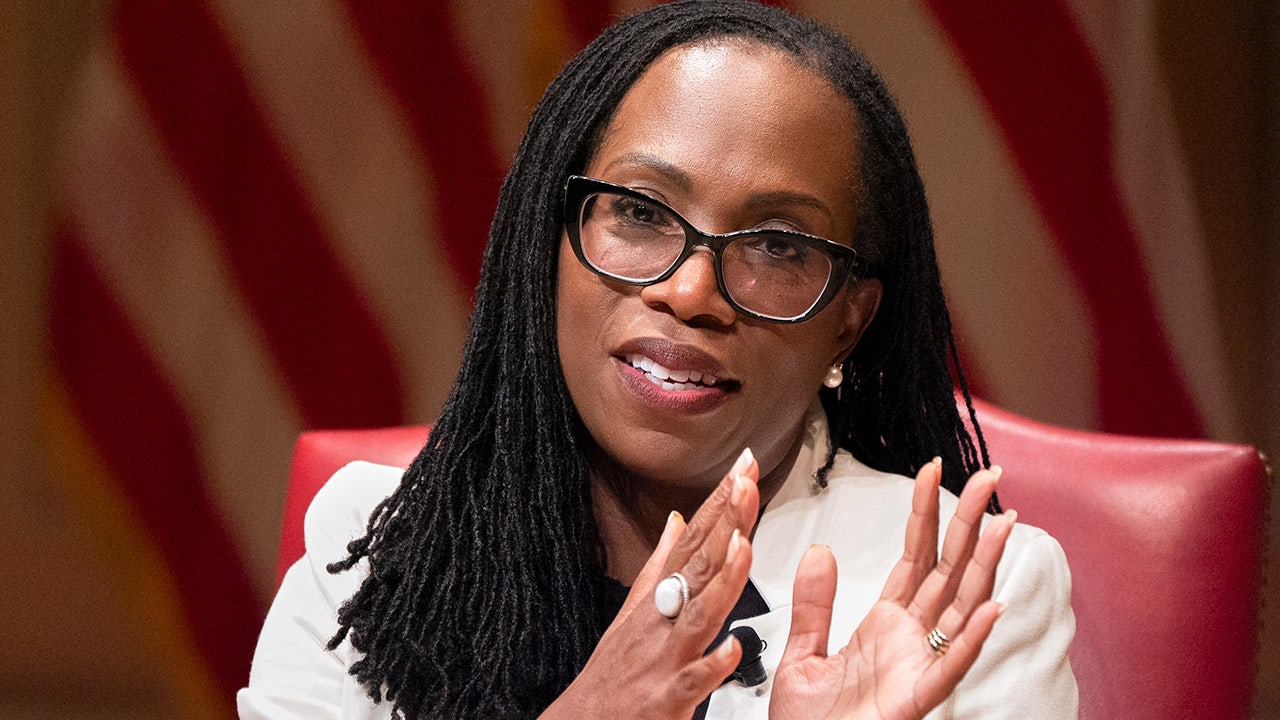
Since her elevation by President Joe Biden, Justice Ketanji Brown Jackson has become a flashpoint on the court, drawing sharp criticism for a style of opinion that many see as openly political. Her frequent solo dissents and pointed rhetoric have irritated conservatives and unnerved some liberals, and this week the tension boiled over with a stinging rebuke from Justice Samuel Alito, joined by Justices Clarence Thomas and Neil Gorsuch. That clash came over the finalization of the court’s opinion in Louisiana v. Callais, and it has big consequences for how elections are run this year.
The case produced a 6-3 ruling barring racial gerrymandering and reaffirmed Section 2 of the Voting Rights Act as a tool to block intentional racial discrimination in district maps. The majority effectively found a number of current districts unconstitutional, a ruling that should push states to redraw lines to ensure voters choose representatives without racial preferences. Instead, the opinion’s finalization was delayed and became tangled in accusations of partisan maneuvering.
There is no convincing reason to withhold a clear ruling other than politics, and that is the heart of the complaint from conservatives. If districts are unconstitutional, states have an obligation to correct them, not freeze them to protect incumbents. The delay smelled like a naked attempt to preserve Democratic seats through election season, and voters deserve better than that kind of gamesmanship.
The hold-up was especially striking because the case had been on the calendar for an unusually long time, including a reargument that should have cleared any lingering doubts. People watching the docket noticed the wait and began wondering whether internal fights were stalling the release. Those suspicions only intensified after reports surfaced about loud disagreements among the justices in other matters.
Reportedly, tensions between Justice Elena Kagan and retired Justice Stephen Breyer over how to handle dissents in the wake of the Dobbs leak were part of the background noise, and the court has faced criticism for mismanaging sensitive releases. That posture matters because it sets the tone for how the court handles controversial, time-sensitive election cases. When internal drama delays decisions, states and voters pay the price at the ballot box.
What made Callais more puzzling was that the majority looked cohesive, with limited fracturing among opinions and only brief references to Justice Kagan’s dissent. In short, the legal path to finalizing the opinion looked straightforward, and the delay served no clear judicial purpose. The practical fallout is real: some states are scrambling to adjust maps or postpone primaries under a brutal calendar.
The court’s one-paragraph order pointed out that the clerk typically waits 32 days before sending a copy of an opinion and judgment to the lower court, but no defender of the challenged districts asked for reconsideration. Meanwhile, other parties warned that the looming elections required clarity now so states could act. That made the 32-day wait an empty technicality that only punished the public’s need for finality.
Justice Jackson went the other direction, urging that the allegedly unconstitutional districts be preserved for this election cycle, a position that would effectively freeze maps favorable to Democrats. Neither Justice Elena Kagan nor Justice Sonia Sotomayor joined her lone plea, even though they dissented from the Callais decision itself. That isolation underscores how extraordinary Jackson’s posture was in this fight.
Her language in the dissent drew particular heat, and the substance of her rhetoric cut deeper than a routine judicial disagreement. She lambasted the ruling, stating that it “has spawned chaos in the State of Louisiana.” She also warned the court that the case exposed “a strong political undercurrent.”
Jackson went even further, writing that the case “unfolds in the midst of an ongoing statewide election, against the backdrop of a pitched redistricting battle among state governments that appear to be acting as proxies for their favored political parties.” She framed the ruling as enabling a rush to pause elections and push through new maps, which struck many on the bench as a politicized reading, not a judicial one.
Justice Alito finally pushed back forcefully, calling Jackson’s reliance on the 32-day rule a “trivial” objection that elevated form over substance since no party sought reconsideration. He charged that her dissent “lacks restraint” and denounced parts of it as “baseless and insulting.” Alito blasted her suggestion of unprincipled power as “a groundless and utterly irresponsible charge,” signaling that the majority viewed her words as beyond the pale.
Beyond the immediate dispute, there’s a larger worry about what Jackson represents to partisans who crave a pliant judiciary. Democrats openly discuss court packing as a path to entrenched influence, and Jackson’s approach feeds that narrative by modeling an activist bent that could become a durable majority if the court’s composition flips. That is exactly why conservatives view these dissents as a preview of what a packed court might look like.
Jackson recently told ABC News that “I have a wonderful opportunity to tell people in my opinions how I feel about the issues, and that’s what I try to do.” For several colleagues on the court, that candid confession raises alarms: the personal gratification of airing views in opinions cannot come at the cost of the court’s legitimacy. The tension between catharsis and institutional duty is now an open question the justices will keep wrestling with.
