
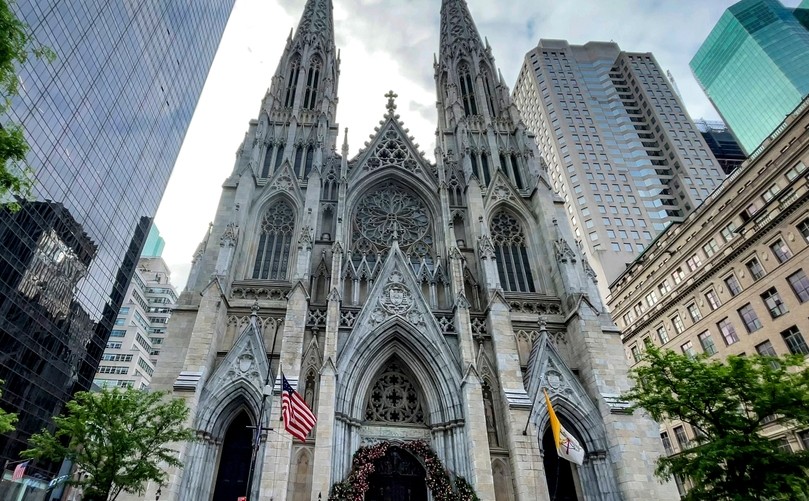
The Archdiocese of New York has proposed an $800 million settlement to resolve decades of abuse claims, offering at least $250,000 to each survivor while attorneys urged quick acceptance to avoid the risk of drawn-out litigation if the archdiocese seeks bankruptcy protection.
The settlement proposal totals $800 million and sets a baseline payment of $250,000 for survivors, creating a clear floor for awards while leaving room for higher amounts based on individual circumstances. Lawyers representing claimants framed the offer as a pragmatic path to timely compensation, highlighting the certainty it brings versus the unpredictability of trials. For many survivors, that guaranteed payment was hard to ignore after years of delay and legal wrangling.
Behind the push to accept was a stark warning: if the archdiocese files for Chapter 11, the legal landscape shifts dramatically and claims can be stayed, combined, or reduced through a court-supervised reorganization. Bankruptcy can pause active lawsuits, consolidate creditor claims, and often leads to a global settlement that may cut payouts or change how funds are distributed. That prospect pushed attorneys to counsel clients toward settlement rather than gamble on potentially smaller recoveries and longer waits.
Survivors reacted in varied ways, with some finding relief in the certainty of a substantial payment and others feeling that money cannot substitute for public reckoning and accountability. Accepting a settlement often requires waiving certain legal rights, a trade-off that weighs heavily for people seeking acknowledgement in addition to compensation. Emotions remain raw for many, and decisions were shaped as much by personal needs as by legal advice.
How awards are determined in cases like these depends on factors such as documented harm, corroborating evidence, the timing of claims, and negotiations between lawyers and insurers. Individual amounts above the baseline are usually negotiated, sometimes through mediation, and reflect the strength of each claimant’s file and the willingness of insurers to pay. That variability means some survivors will see substantially more than the minimum, while others get only the floor amount.
The financial implications for the archdiocese are complex: meeting an $800 million obligation touches diocesan coffers, insurance arrangements, and the wider Catholic community that supports schools, parishes, and charities. Questions about transparency and the source of settlement funds are inevitable, since donors and parishioners want assurance that core ministries won’t be unduly affected. Church leaders face the twin demands of honoring survivors and maintaining ongoing services that many communities rely on.
Legal and institutional accountability remains central to the conversation, with many arguing that settlements should be paired with reforms to prevent future abuse, stronger safeguarding policies, and independent oversight. Money addresses part of the harm, but structural change is necessary to reduce the chance of recurrence and to rebuild trust in institutions. Calls for external audits and better reporting mechanisms have grown louder amid these negotiations.
The practical mechanics of moving forward include claims windows, documentation requirements, and deadlines set by the settlement framework; claimants will need to decide whether to opt in, challenge an award, or pursue other legal avenues. Attorneys play a crucial role in advising clients on the trade-offs between immediate payment and the potential upside of litigation, while judges and mediators may still shape the rollout. For many survivors, navigating those steps means weighing financial realities against the desire for a public voice in the process.
Beyond the immediate payouts, this proposal could influence how other dioceses and institutions approach similar claims, since large settlements set expectations for survivors and insurers nationwide. Long-term support for survivors, including counseling and community services, will be part of how healing is managed after money changes hands. Meanwhile, the lingering possibility of bankruptcy keeps a level of uncertainty that colors every decision, reminding all parties that the legal and moral work is not finished simply because a number has been put on the table.
