
The TV piece on the volunteers who race into disaster zones stirred a predictable fight: network reporters alarmed by unsanctioned aid, civic rescue crews and independent volunteers saying they just did the work the government didn’t. This article looks at how a major news magazine framed those helpers, who fought to save neighbors after Hurricane Helene, and why many Americans see the coverage as unfair and political. It also covers the reaction from grassroots relief groups and the people who were actually on the ground, preserving direct quotes from the broadcast and from volunteers who pushed back.
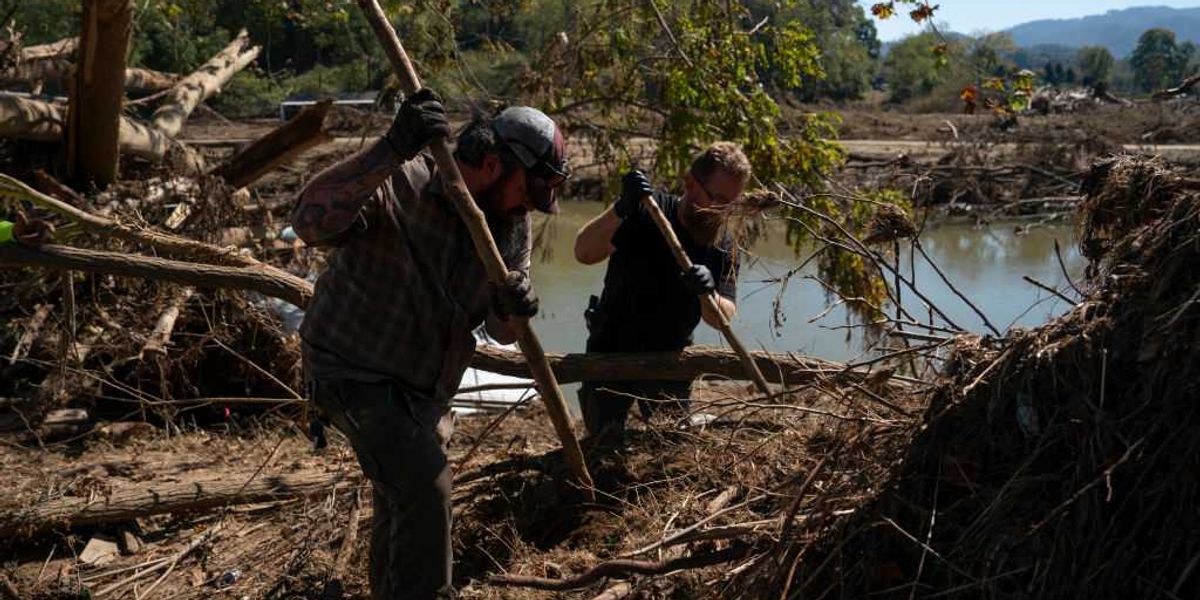
CBS ran a “60 Minutes” segment that took aim at Americans who skip formal channels and go straight to helping in disaster zones. The show opened with Lesley Stahl saying, “What if we told you that after natural disasters, some of those who descend on hard-hit communities with offers to help are anti-government conspiracists and white nationalists?” The camera showed volunteers clearing debris, handing out supplies, and shoring up homes as viewers were nudged to see danger where neighbors saw relief.
The report singled out specific groups and leaned on experts who framed those volunteers as a problem instead of a solution. Among the people shown helping were members of a multiracial militia that stepped in after Hurricane Helene and others who answered when federal help lagged. In the package, the show connected relief efforts to broader narratives about extremist organizing and social media spectacle.
60 Minutes highlighted organizations it labeled extremist and relied on commentators who study hate groups to interpret the volunteers’ motives. The piece repeatedly suggested the volunteers were doing PR and recruitment rather than life-saving work, and pushed the idea that unsanctioned aid could spread misinformation and confusion. That framing ignored the reality most locals describe: boots on the ground doing the messy things FEMA sometimes cannot or will not do fast enough.
Local officials were asked about the headaches such volunteers can cause, and some spoke about the logistics and the confusion that comes with many outside groups arriving at once. Henderson County law enforcement raised concerns about “misinformation” and “outside folks” complicating rescue work. Still, many of the first responders and neighbors who helped kept showing the footage of people actually carrying water, cutting fallen trees, and moving families out of harm’s way.
Groups who have a track record of community rescue were especially upset that their efforts were painted as a political problem rather than celebrated as lifesaving. One long-standing volunteer organization that has spent years rescuing flood victims and delivering supplies blasted the segment on X, writing, “We have many media outlets that are very good to us. Then there’s this trash.” That anger feeds a growing suspicion that elite media are more interested in narratives than outcomes.
https://x.com/FordFischer/status/1856016452698222778?s=20
Volunteers who lived through the hurricanes and stayed for months to help also spoke up, pointing out the selective attention of national outlets. Shawn Hendrix, who spent weeks helping after the storm, answered the broadcast bluntly, “Not one ‘left’-leaning news station reached out to me during the disaster. They pretended it wasn’t happening because Biden was president and Cooper was governor, failing us badly. I was up there for months and never once saw a CNN camera or MSNBC crew. Now, over a year later, they want to create some wild narrative. They weren’t there, so how did they know?”
Hendrix added, “I, however, was there,” and pushed back on the idea that aid was tied to ideology. “The only people being selective about who they helped were FEMA. I saw no racism; no one cared who you voted for. We were all just surviving and serving.” Those on-the-ground testimonies clash with the piece’s implication that volunteers’ motives were nefarious.
Online commentators amplified the criticism, noting timing and possible influence from advocacy groups. One commentator called the segment “Shameless and transparent,” arguing the piece read like a hit job on volunteers who stepped in where official help lagged. That refrain echoes across social platforms, where relief workers and neighbors who received help say the more important discussion is why communities still need to rely on volunteers at all.
The debate here isn’t about whether volunteers should check in with authorities. It’s about priorities and balance. When citizens see people risking time and safety to rescue neighbors, they want their work recognized, not weaponized into a political scare story. The tension between unsanctioned aid and official control makes for a juicy TV argument, but for the people hauling drywall, bottled water, and chain saws, it was simply neighbor helping neighbor.
Backlash from relief groups and volunteers was swift and personal, with leaders calling out the program on social media and insisting their actions were humanitarian, not a political campaign. The United Cajun Navy, a long-time volunteer rescue group, replied sharply on X, “This SCREAMS ‘Funded by the [SPLC].’ Even though we aren’t mentioned, we would still be happy to comment ON THE RECORD about what [horse manure] this is. It’s time to put 60 Minutes out to pasture, Holla!”
Other helpers echoed the point that media narratives often miss the reality at the scene. BlazeTV host Auron MacIntyre wrote his own critique and noted the odd timing of the segment, calling it politically convenient and tone-deaf. Volunteers and local residents say attention would be better spent fixing the gaps in disaster response so grassroots helpers aren’t constantly filling the void.
