
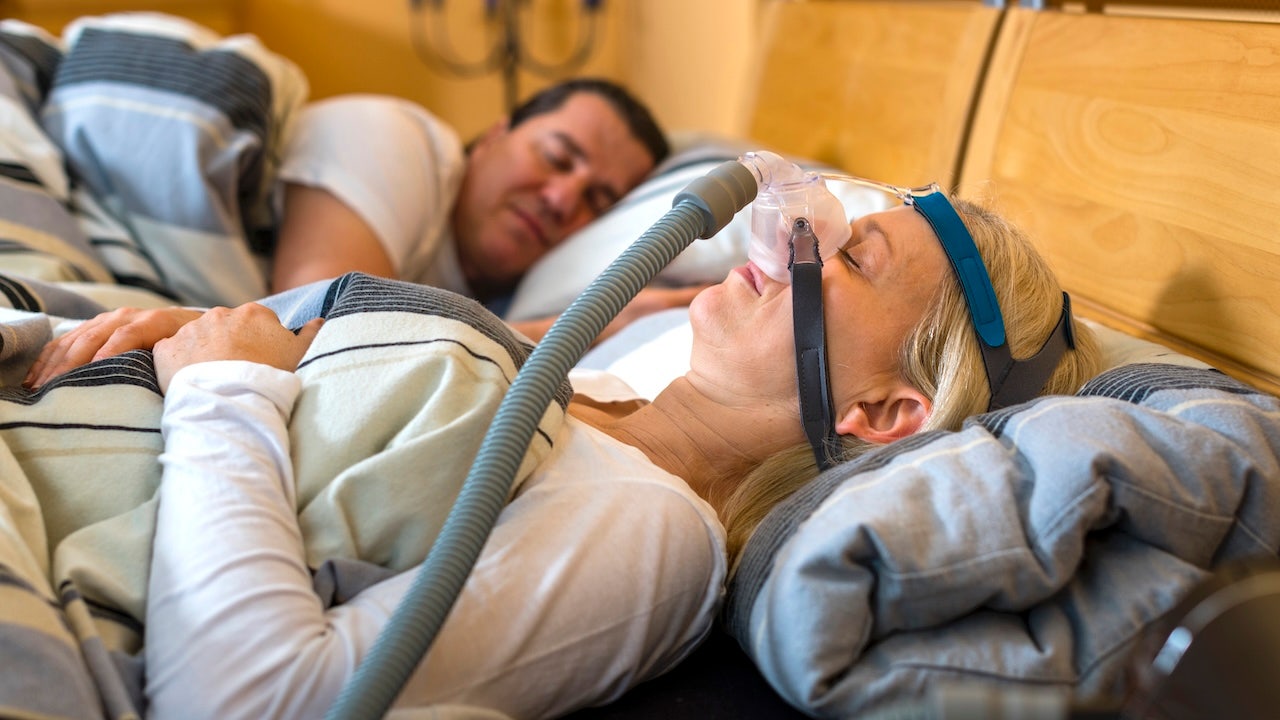
New research from Israel finds a surprising twist: people with obstructive sleep apnea often show bigger muscles on scans but those muscles can be less dense and possibly less functional, and the study links those differences more strongly to age and body weight than to sleep apnea alone.
Researchers examined 209 adults who spent a night in a sleep lab and had chest or abdominal CT scans to measure muscle. The scans revealed a pattern where skeletal muscle index was higher in people with obstructive sleep apnea, meaning greater muscle area relative to height. At the same time, muscle density tended to be lower, suggesting more fat infiltration in the muscle tissue.
The group with sleep apnea was generally older, more often male, and heavier than the control group, and they also had more hypertension and cardiovascular conditions and worse oxygen levels during sleep. As severity of apnea rose, scans tended to show higher muscle index but lower muscle density. That combination points to bulk that may not equal strength or healthy metabolism.
The study found that lower muscle density was more strongly linked to older age and higher body mass index than to sleep apnea itself. Individuals over 60 and those with a BMI above 30 showed much clearer ties to reduced muscle density, suggesting that aging and obesity are dominant forces shaping muscle quality. In other words, apnea may be part of the picture but not the main driver for poor muscle health.
“Individuals with OSA may have more muscle mass, but that muscle may be less healthy because it contains more fat, which can impair strength and metabolic function,” said Troxel, who was not involved in the study. “This pattern overlaps with sarcopenia, a clinical condition where muscle becomes weaker and less efficient, even if muscle size doesn’t dramatically decline.” Those exact observations underline why size alone can be misleading.
Troxel also stressed the relative scale of the findings, noting an “important” association between OSA severity and muscle quality that remains modest next to age and body mass. “[This indicates] that OSA may be one marker within a broader profile of metabolic risk,” she said. Clinicians should see sleep apnea as more than a nighttime breathing hiccup; it can flag wider metabolic trouble that affects muscle and more.
Study co-author Ariel Tarasiuk from Ben-Gurion University described the results as paradoxical and emphasized the larger roles of age and obesity. “Age and obesity appeared to have a stronger influence on muscle health than sleep apnea itself,” he said, which suggests sleep apnea contributes but is unlikely to be the sole cause of the muscle changes. Tarasiuk urged patients to get evaluated, because apnea affects whole-body health beyond snoring or fatigue.
“Getting properly diagnosed and treated matters,” he said. “CPAP therapy can make a real difference in improving breathing and sleep quality, but it’s only part of the picture.” He added, “Maintaining a healthy weight and staying physically active are equally important for muscle health and for reducing the severity of sleep apnea,” and warned that larger muscles can mask fat infiltration and weakened function.
“This highlights the importance of looking beyond muscle size alone,” Tarasiuk said, noting that routine imaging done for other reasons can sometimes reveal muscle quality problems. He advised a holistic approach: treat the airway while also addressing weight, activity and metabolic health. The study was single-center and lacked lifestyle details like diet, exercise, smoking and alcohol, so wider research will be needed to map how these muscle changes develop over time and respond to treatments like CPAP.
