
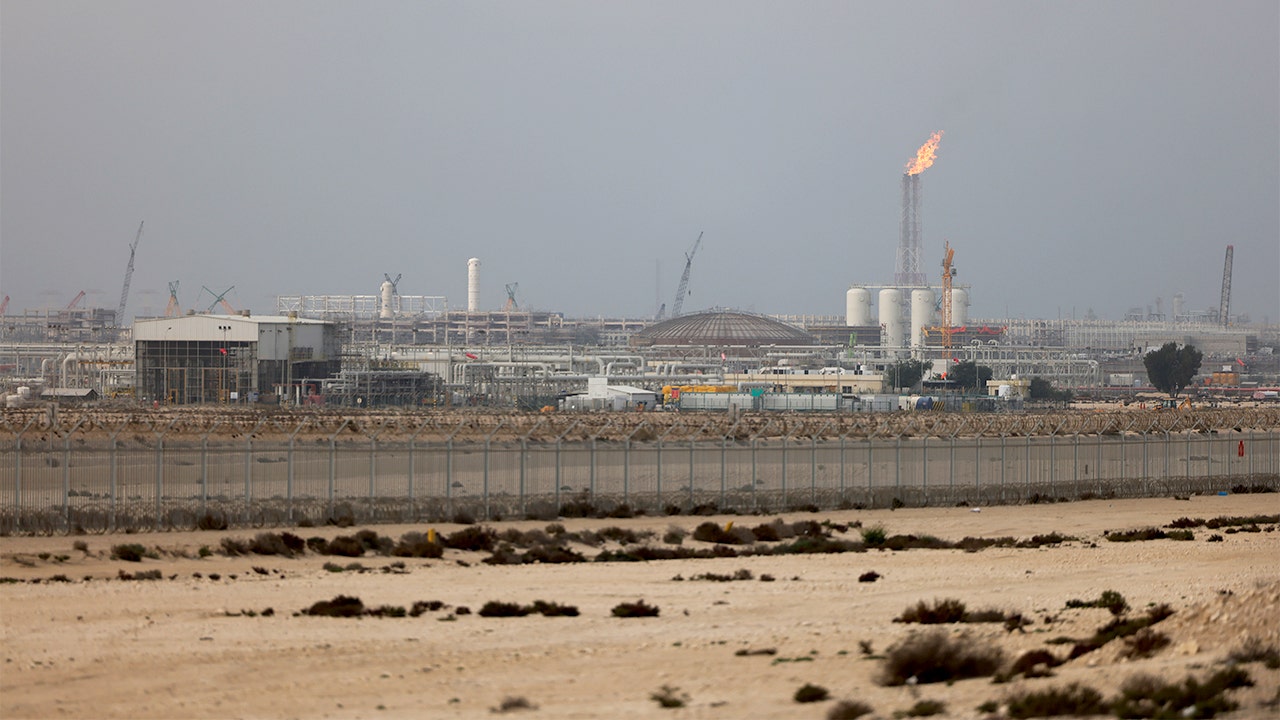
President Trump’s early outreach to Saudi Arabia, Qatar and the United Arab Emirates has quietly re-centered the United States in global energy strategy. Over recent months three major moves—a long-term Saudi gas purchase, Qatar’s U.S. LNG exports coming online, and the UAE’s exit from OPEC—have combined to reshape market dynamics and strengthen America’s negotiating hand amid the Iran crisis.
What started as a diplomatic tour is now showing real, measurable results on energy flows. Saudi Arabia agreed to a multi-decade natural gas relationship with an American producer, signaling that Riyadh sees value in U.S. energy as a partner, not just as a rival. That alone changes decades of assumptions about how the world’s top oil and gas players interact.
The timing could not be more consequential. Qatar’s Golden Pass LNG terminal in Texas came online right as Iran’s attacks damaged key facilities in the Gulf, giving buyers an alternate route for gas when Qatari capacity was crippled. The joint venture structure, where QatarEnergy and ExxonMobil teamed up on American soil, underscores a new pattern: Gulf producers leveraging U.S. infrastructure to insure supply and reach global customers.
For Saudi Arabia, taking American gas long term is a tectonic shift. The kingdom has long resisted imports because its identity and economy are built on being a dominant exporter with flexible production. But Riyadh’s push to diversify, modernize electricity generation and back ambitious tech and AI projects means domestic demand will climb, and importing reliable LNG makes strategic sense.
Golden Pass going from construction to first cargo in record time was a vindication of patience and investment. A project that skeptics derided as unnecessary for the world’s biggest gas exporter now serves as a crucial backup when geopolitical shocks hit. U.S. terminals that once looked redundant are proving their worth as resilience assets for allies and markets alike.
Then there’s the UAE’s decision to quit OPEC, a move with major economic and political implications. Under cartel rules the UAE was held to production quotas that limited growth even as it invested in capacity. Free from those constraints, Abu Dhabi can produce more, invest more and cooperate directly with the United States on supply planning without cartel politics getting in the way.
That move also aligns with a long-standing Republican critique of OPEC as a price-setting cartel. President Trump has been blunt about the cartel “ripping off the rest of the world,” and the UAE’s breakaway validates the argument that countries should be free to compete and expand, not be hemmed in by quotas designed to manipulate prices.
Put together, these three developments give Washington leverage. U.S. producers and infrastructure can now be part of a coordinated response to supply shocks, reducing the temptation for costly energy scarcity-driven concessions. That matters when the region is convulsed by conflict and when American military and diplomatic options depend on keeping allies supplied.
The change also reshapes investment math. When Gulf producers can import U.S. gas or rely on American export terminals, they free up crude for export, attract private capital for new projects and speed up the transition to cleaner, more efficient domestic power. That’s a win for Gulf economies and U.S. industry building terminals, pipelines and trading capacity.
Strategically, these arrangements let the U.S. approach the Iran crisis from strength. Securing energy partners in the Gulf reduces the chance that Tehran can choke markets and forces bad actors to weigh the cost of further escalation. America’s energy might—its producers, its ports, its buyers—becomes another tool in the diplomatic toolbox, not just a domestic economic story.
These shifts will matter to Europe and Asia too, where buyers fret about reliability and price. Greater access to American-sourced LNG and a Gulf willingness to coordinate supply should help blunt short-term price spikes and give governments room to maneuver. Markets like Latin America and Southeast Asia gain optionality where they once had limited choices.
What we’re seeing is a practical, results-oriented approach: align U.S. energy capacity with Gulf resources and free markets, squeeze out cartel manipulation and turn infrastructure investments into strategic insurance. That’s the kind of policy Republicans have pushed for—using energy dominance not just for profit but to protect allies and preserve freedom of navigation and trade.
