
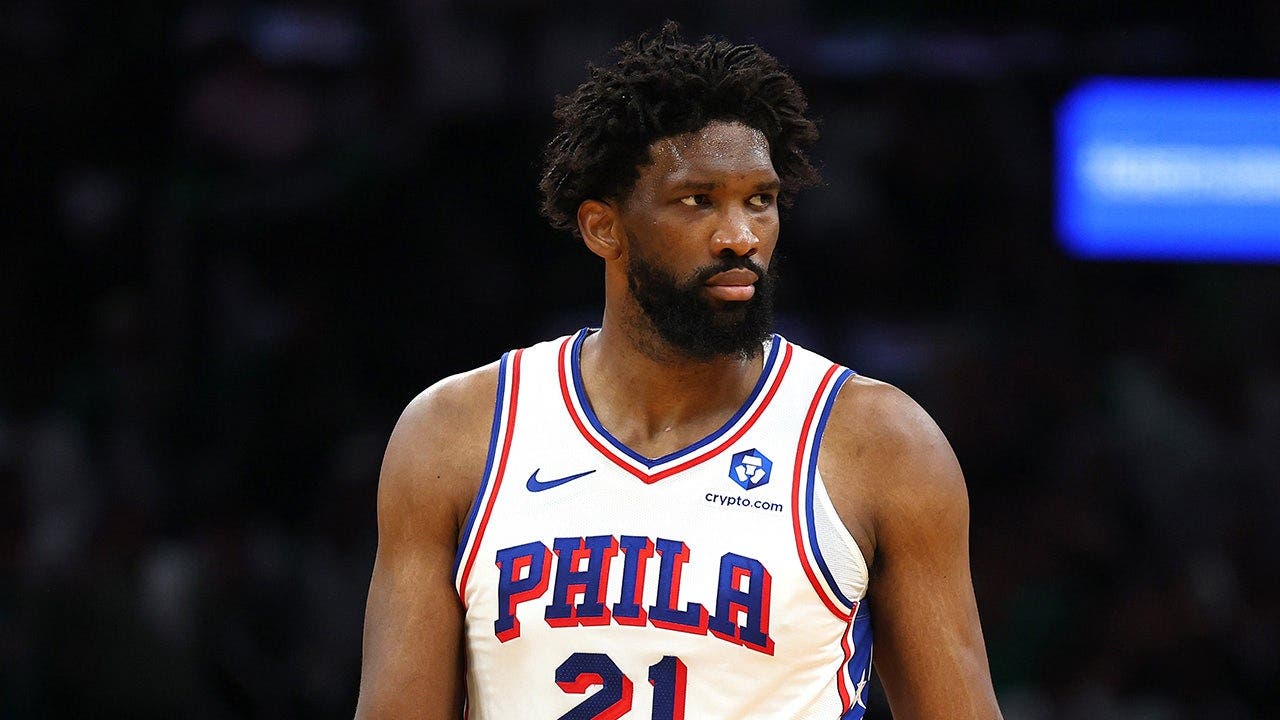
Joel Embiid publicly urged Philadelphia fans to stop selling NBA Playoffs tickets to New York Knicks supporters, arguing that the city deserves a playoff atmosphere filled with home energy and loyalty rather than rival colors in the stands; he put it bluntly, saying “bigger than you.” This piece explores why his plea landed the way it did, how ticket resale feeds rival presence, and what that means for home-court advantage and fan identity in one of the league’s most heated markets. The tone is direct but measured, aiming to explain the dynamics behind a star player’s appeal to his own crowd.
Embiid’s message cut straight to the heart of playoff priorities: the playoffs are where the home crowd matters more than usual and where momentum swings can hinge on noise and confidence. When opposing fans get a foothold, the atmosphere shifts and the psychological edge can tilt away from the home team, especially in a city as proud and volatile as Philadelphia. Embiid chose clear language instead of nuance, signaling that this is not just a game-night preference but a cultural expectation at this stage of the season.
At the core of the problem is the modern ticket market, where resale platforms and secondary markets make it easy to convert emotional allegiance into cash. Fans who scored seats months ago often find themselves tempted by quick profit, while brokers and resellers place an economic value on any big matchup that attracts out-of-town interest. That convenience reshuffles the crowd composition in real time and can leave a home arena dotted with the rival team’s jerseys and banners.
The presence of visiting fans inside a hostile arena changes the sensory environment; chants, coordinated noise, and visible support can provide players with small but meaningful boosts or drains. Home players feed off crowd noise and momentum shifts, while visiting players can find welcome distractions or surprisingly supportive pockets in another city. For a superstar like Embiid, who thrives on energy and intimidation, a full roster of Philly fans is part of his competitive toolkit.
Not everyone who sells a ticket does it for profit; some fans sell because life circumstances change, budgets get tight, or plans fall through. Those reasons complicate the moral calculus of Embiid’s request, since asking fans to hold onto tickets asks them to prioritize communal pride over immediate personal need. At the same time, there is an argument that postseason games represent a larger communal event where sacrifice matters, and players are asking for a shared cultural investment rather than transactional behavior.
Teams and arenas wrestle with this reality through policy and enforcement, from stricter transfer rules to targeted anti-scalping measures and warnings against reselling near the event. The NBA and franchises can only do so much without alienating customers, so much of this ends up as a conversation between players and fans about identity and expectations. Embiid’s plea adds pressure on the conversation by using his platform to frame ticket decisions as choices that affect competitive fairness.
Social media amplified the exchange almost immediately, with supporters praising Embiid’s passion and critics pointing out the socioeconomic realities that drive resales. Memes and hot takes spread the message further than any team memo could, and the debate flicked between loyalty, economic incentive, and civic pride. Whether fans heed a star’s public ask or treat it as background noise depends on how they balance those competing impulses when a game’s stakes are at their highest.
Ultimately, Embiid’s statement landed as both a challenge and a reminder: playoff nights are rarer than regular season games and players want maximal support when it matters most. Asking fans to think beyond immediate gain to the culture they want to create is a bold move, and it forces a city to decide whether home-court advantage is something it will actively protect. “Bigger than you” is a compact phrase, and in a place like Philadelphia, those three words carry a lot of weight for players and fans alike.
