
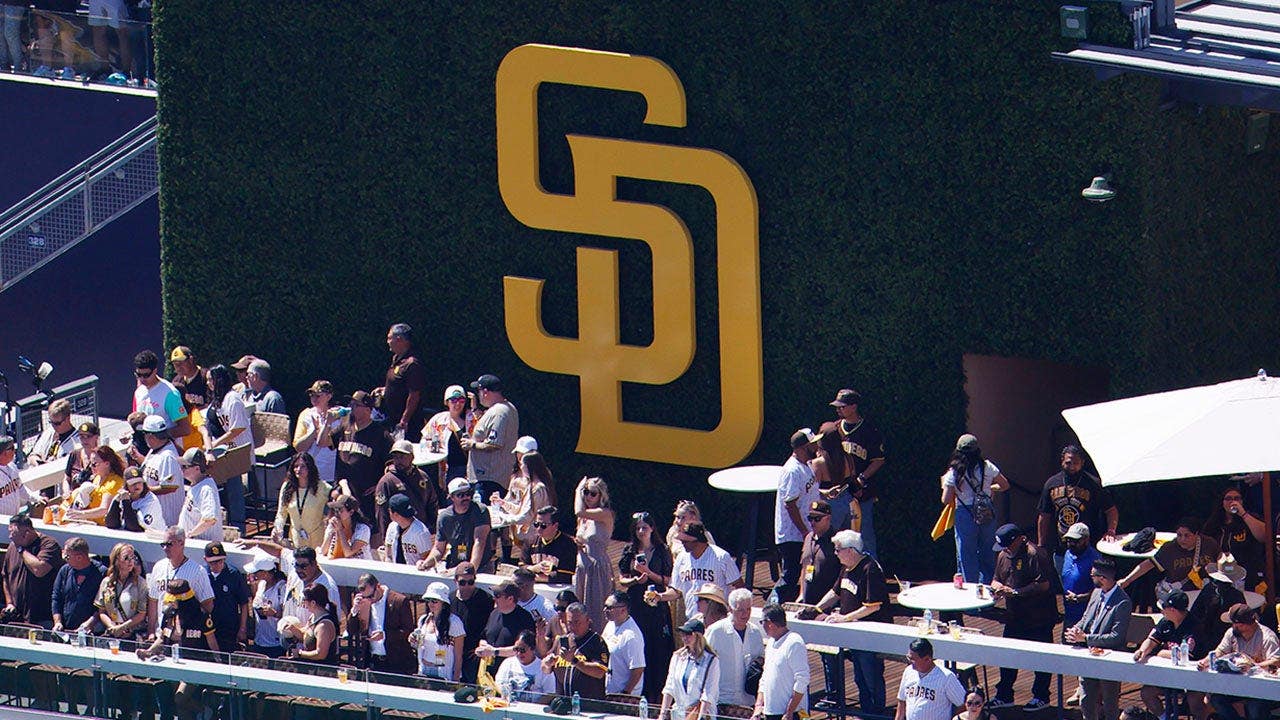
Kwanza Jones and José E. Feliciano reached a deal to buy control of the San Diego Padres at an MLB-record $3.9 billion valuation, pending approval, marking a major shift in the franchise’s ownership landscape and setting a new high-water mark for team sales in the sport.
The price tag alone makes this a headline moment for baseball and for San Diego. A sale at this scale sends a clear message about how valuable Major League Baseball franchises have become in the modern sports economy. That same number will also shape expectations from fans, players, and local leaders.
This pairing of Kwanza Jones and José E. Feliciano puts fresh faces at the center of a storied franchise. Both names will be watched closely as they move from announced agreement to operational control, assuming the league gives its stamp of approval. The transition period will be critical for setting the tone with the front office and dugout alike.
For the team on the field, ownership changes rarely happen in a vacuum. New stewards often mean new priorities and capital allocation, which can influence payroll strategy, scouting investments, and player development. Fans will be eager to see whether this shift translates to a more aggressive push for contention.
Beyond the clubhouse, a record-setting sale recalibrates the market for other teams and ownership groups. The $3.9 billion figure becomes a reference point for future negotiations and valuations across the league. Investors and municipalities alike will take note as they reassess the financial power of professional sports franchises.
San Diego stands to feel the ripple effects locally, from sponsorship deals to jobs tied to the franchise. A new ownership team that leans into the city can boost community initiatives and business partnerships. Conversely, fans will expect tangible investment in both team quality and the overall game-day experience.
Any purchase of this magnitude must clear MLB approval before it is final, which introduces a formal review process that can take weeks to months. That review covers financial fitness, governance, and how the buyers plan to run the club. Until that vote is cast, the agreement is a big step, not the final handshake.
Initial reactions across the fan base and media are bound to be mixed, ranging from excitement about renewed ambition to skepticism about long-term plans. Social chatter will focus on roster moves, ticket prices, and how quickly the new owners move to implement their vision. The next public communications from the buyers will be closely parsed.
Operationally, the crucial early actions will be appointing key executives and deciding which areas to prioritize first. Will the front office get new leadership, or will the existing team stay in place to maintain continuity? Those decisions will give the clearest signal about short-term intent versus long-term strategy.
Financially, a valuation at this level reflects more than current wins and losses; it includes media rights, merchandising, local market strength, and growth potential. How the new ownership leverages those assets will determine whether the price paid translates into sustained success on and off the field. Observers will be watching for smart investments rather than headline-grabbing splurges.
In the weeks ahead, attention will tighten on formal approval, public statements from the buyers, and any immediate changes in leadership or roster posture. This deal is a turning point, but the real story will unfold in how the new owners execute once control is official. For now, the Padres have attracted a sale that reshapes expectations across baseball.
