
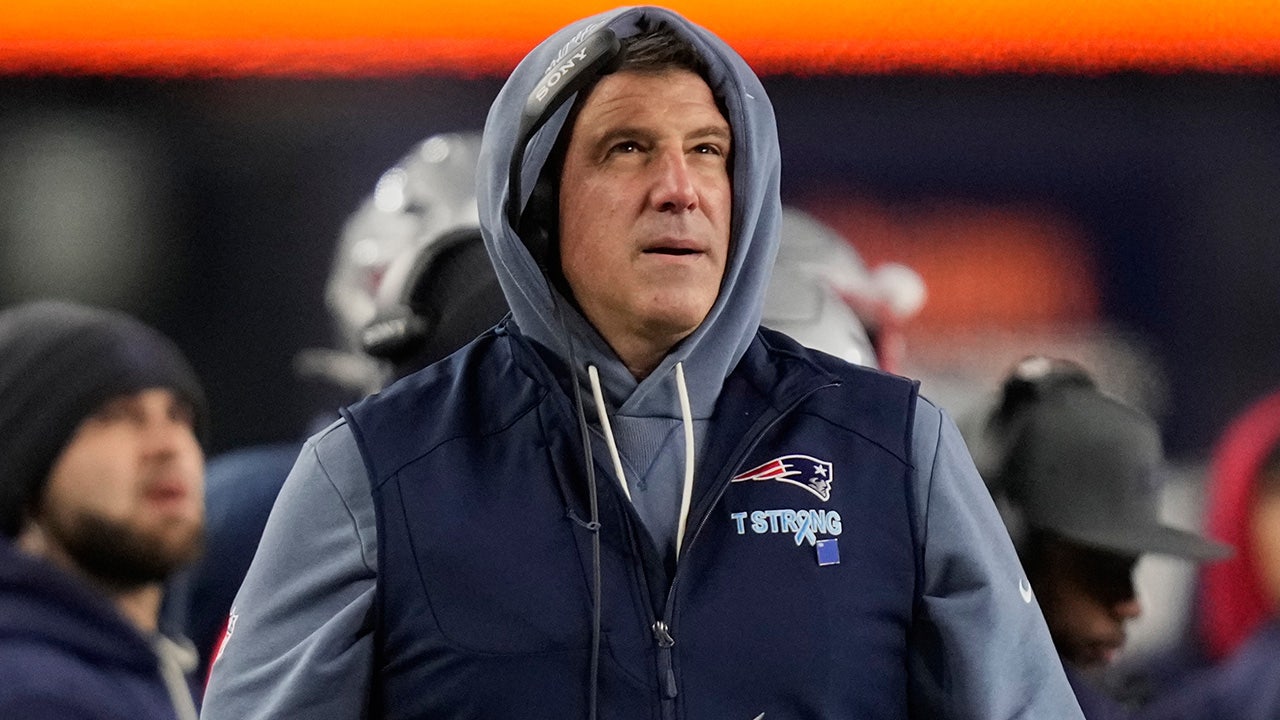
The New England Patriots issued a firm public statement backing head coach Mike Vrabel after a public brush with reporter Dianna Russini in the run-up to the 2026 NFL Draft. The move lands at a tense moment for the franchise, which is trying to keep focus on roster building while handling off-field distractions. This article looks at what the team said, how the timing matters, and what it might mean for the Patriots’ locker room and media relations.
The team’s statement made clear it stands with Vrabel, framing the situation as an internal matter the organization will address while preparing for a crucial draft weekend. That kind of full-throated support from ownership and management signals a unified front and a desire to limit any ripple effects ahead of draft day. For a club juggling expectations and roster needs, projecting stability is a clear priority.
Context matters here: the incident involved a public interaction between Vrabel and a media figure, and it arrived as the draft countdown reached its final days. Those are sensitive 72 hours for any front office and coaching staff, when speculation is loud and distractions multiply. The Patriots, who have a history of tightly controlled messaging, opted to close ranks rather than let the story become fuel for outside narratives.
From a locker room perspective, a team statement of support typically aims to shore up confidence among players and staff. Coaches who receive clear backing are less likely to see internal uncertainty creep into game planning or personnel meetings. That matters now, because the draft will bring fresh competition for roster spots and a need for cohesive evaluation and communication.
The media side of this plays out in familiar ways: reporters and organizations will parse the language of the Patriots’ statement and Vrabel’s subsequent comments for tone and intent. Media relations can shape perceptions quickly, and the team’s choice to be explicit about support reduces ambiguity. Still, observers will watch how Vrabel and the organization manage follow-up interactions with the press after the draft.
For fans, the immediate reaction is often split between concern about leadership optics and relief that the club isn’t engaging in a public dispute. Support for a coach can reassure a fanbase worried about turnover or inconsistent direction. At the same time, transparency and accountability remain values many supporters expect, so how the Patriots handle any lingering questions could influence public sentiment.
On a practical level, the draft itself will determine much of the on-field story over the next season regardless of off-field headlines. The Patriots’ front office has to evaluate talent, balance positional needs, and weigh scheme fits, all while avoiding distractions. The public support for Vrabel is a bid to lock attention back onto scouting reports, player workouts, and decision-making for the roster.
Longer term, these episodes test an organization’s protocols for press relationships and internal conduct. Teams that navigate them cleanly tend to move on faster; teams that don’t can see repeated cycles of controversy and distraction. For New England, the next steps—how they handle any private resolution, the tone of coach and player interviews, and how quickly the focus returns to the draft—will determine whether this becomes a long arc or a short blip.
As draft day arrives, the Patriots face a familiar mix of pressure and promise: critical roster choices, a fanbase hungry for progress, and a coaching staff under scrutiny. The team’s statement of support for Mike Vrabel is intended to create calm and continuity while those football decisions get made. Now it’s up to the organization to convert that asserted unity into clean execution on and off the field as the 2026 NFL Draft unfolds.
