
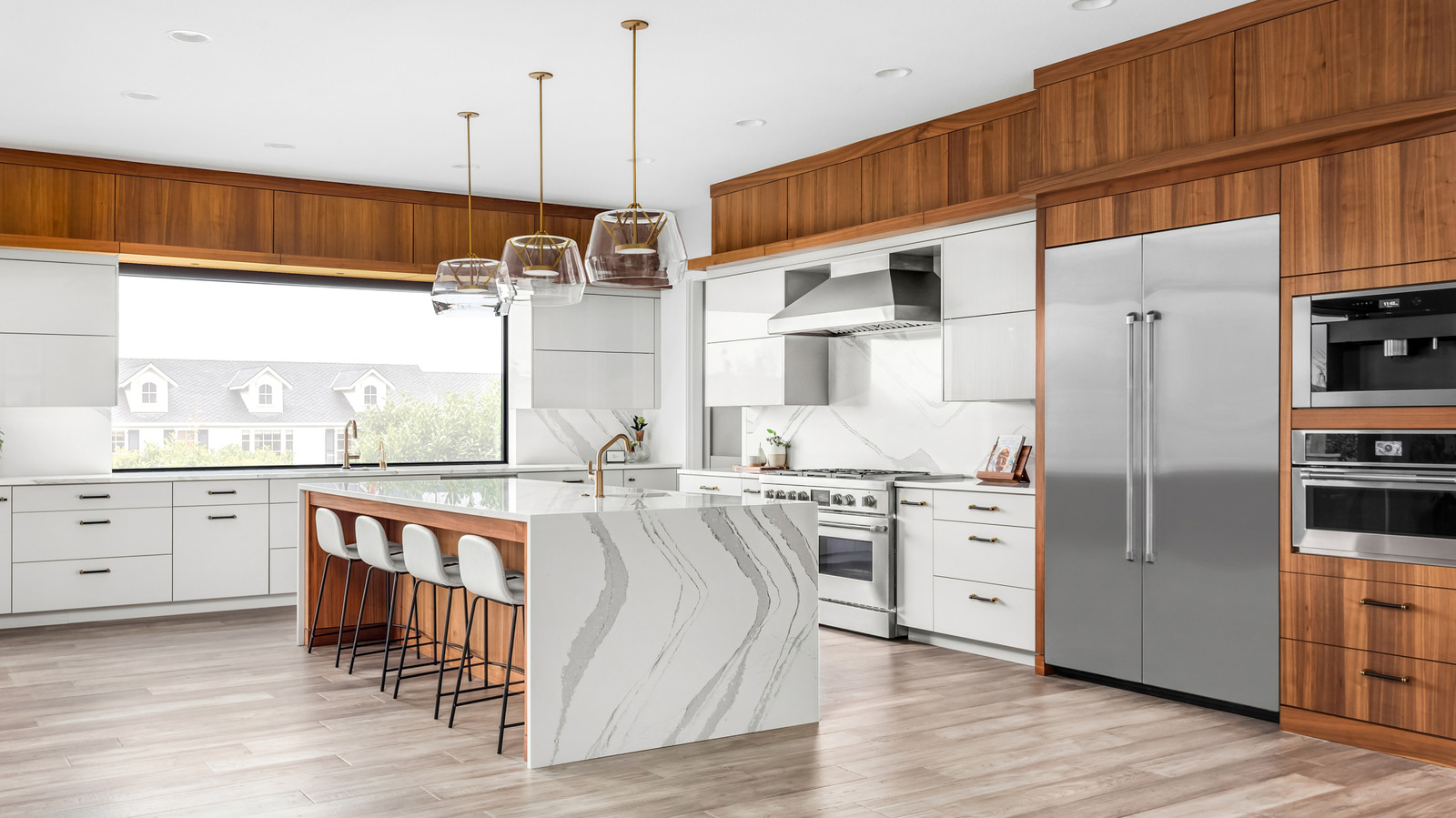
Luxury appliance brands often fly under the radar compared with household names, yet they attract attention for two clear reasons: premium finishes and premium price tags. This piece walks through what sets these high-end makers apart, why their finishes matter, and what drives the steep costs buyers face.
Many luxury appliance labels are modest in public recognition but big in design influence, supplying designers and high-end builders with pieces meant to stand out. They focus on niche appeal rather than mass-market familiarity, courting buyers who prioritize aesthetics and material quality over name brand ubiquity. That positioning shapes the entire product approach, from finish options to after-sale service.
Finishes are a central selling point for luxury appliances, and they go beyond mere color choices. Think hand-applied metal trims, brushed or hammered surfaces, integrated panels that match cabinetry, and specialty coatings that resist fingerprints and wear. Those surface treatments not only change how an appliance looks but also how it feels and ages in a home.
Underneath those finishes, many premium appliances boast engineering decisions aimed at performance and longevity. You’ll find heavier-duty components, quieter compressors, more precise temperature control, and bespoke features built for specific cooking or storage needs. Those technical choices are tailored to demanding kitchens where reliability and predictable results matter.
Price tags on luxury appliances reflect a combination of materials, craftsmanship, and limited runs rather than simple markup. Exotic metals, custom fabrication, and small-batch production all raise costs compared with items churned out at scale. Brands also invest more in design development and testing to maintain a certain standard and aesthetic cohesion across a product line.
Customization options further widen the gap between mainstream and luxury offerings, letting buyers match appliances to a design vision instead of settling for stock finishes. Panel-ready fronts, bespoke handles, and tailored control layouts transform appliances into integrated elements of a room. That level of personalization comes with engineering complexity and longer lead times, which factor into final prices.
Serviceability and support are another area where luxury brands try to justify their premiums, offering extended warranties, white-glove delivery, and specialized repair networks. For buyers who want peace of mind, these services can be a deciding factor, because timely, knowledgeable service reduces the risk of downtime for high-use appliances. However, those benefits vary by brand and region, so they’re worth confirming before purchase.
When weighing value, consider not just the sticker price but lifecycle costs like energy use, maintenance, and potential retrofit expenses if an appliance is unusually sized. High-end units can deliver savings in energy or replacement frequency, but those gains don’t always offset the initial outlay. Match the appliance’s strengths to the household’s habits to get a clearer picture of long-term value.
Shopping for a luxury appliance benefits from a hands-on approach: inspect finishes in person, test controls, and ask about the specific materials used. Request detailed specs on noise levels, warranty terms, and available service options, and verify that any customization won’t complicate future repairs. Investing time up front helps avoid surprises once the appliance is installed and living with the family’s routines.
For homeowners focused on design cohesion, luxury appliances can be the anchor that elevates an entire kitchen or utility space, making the investment as much about visual impact as function. If your priority is maximum performance wrapped in a crafted aesthetic, these brands deliver a distinct package. Choose carefully so the finish and features you pay for actually align with how you live and maintain your home.
