
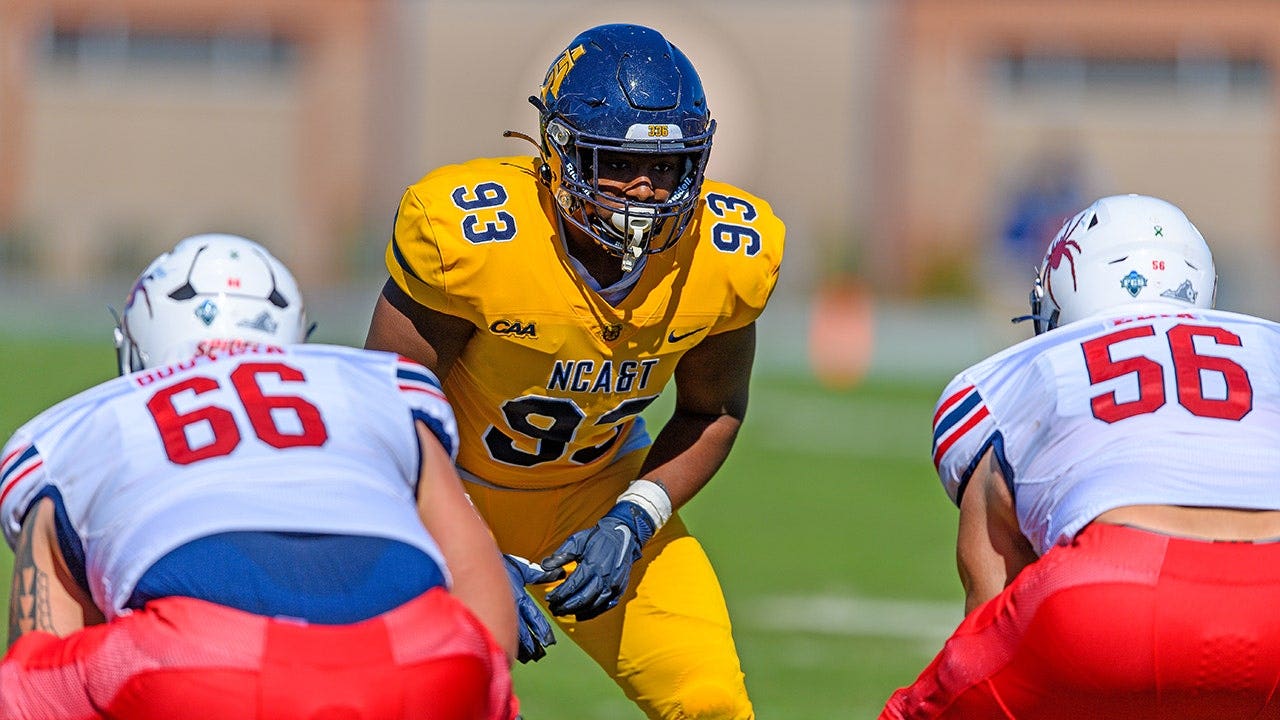
Kelvin Broadhurst Jr., a 20-year-old North Carolina A&T football player, was killed after being ejected from his motorcycle in a crash in Greensboro. This article reflects on the immediate facts of the incident, the impact on teammates and the campus, and the broader questions that follow when a young athlete dies suddenly.
News that Kelvin Broadhurst Jr. died in a motorcycle crash hit the North Carolina A&T community hard. He was 20 years old and identified as a member of the university’s football program, which adds an extra layer of shock for classmates and teammates. Young athletes are often seen as symbols of vitality, so any sudden loss in that circle tends to reverberate widely.
The basic detail reported is stark and simple: he was ejected from his bike during the crash, and the injuries proved fatal. Those few facts leave a lot unresolved for family, friends, and the public. In such situations people naturally want clarity about what happened and whether factors like road conditions, equipment, or other vehicles were involved.
Mourning in a campus athletic program is public and private at once. Teammates grieve together in locker rooms and training facilities, while classmates and fans take to social media and memorial gatherings to share memories. The absence of a young player creates an immediate gap in routines and relationships that had formed around practices, travel, and games.
Beyond personal loss, this kind of accident often prompts conversations about safety and preparation. Motorcycle riders face elevated risks compared with drivers of enclosed vehicles, and within athletic communities there is sometimes a push to remind young people about protective gear and cautious riding. Those conversations can feel small against a family’s grief, but they can also spur preventive steps that matter to others.
Local emergency responders and investigators typically handle the technical side of a traffic fatality, documenting the scene and collecting evidence to determine cause and responsibility. While specifics about this particular crash are limited in the immediate aftermath, those procedures aim to create a factual account that helps families, officials, and the public understand what went wrong. Time and official reports usually bring clearer answers.
Remembrance takes different forms after a tragedy like this. Teammates may dedicate a season, classmates might hold vigils, and supporters often look for ways to honor the person behind the headlines. For many, stories and small personal recollections become the most meaningful record of who Kelvin Broadhurst Jr. was to the people around him.
Loss on a college campus is a reminder of how fragile life can be and how quickly plans and potential can be cut short. Communities pull together to support grieving families, friends, and teammates, relying on shared rituals and practical help to navigate the days that follow. In time, memories and lessons tend to shape how those left behind remember the person and how they choose to move forward.
