
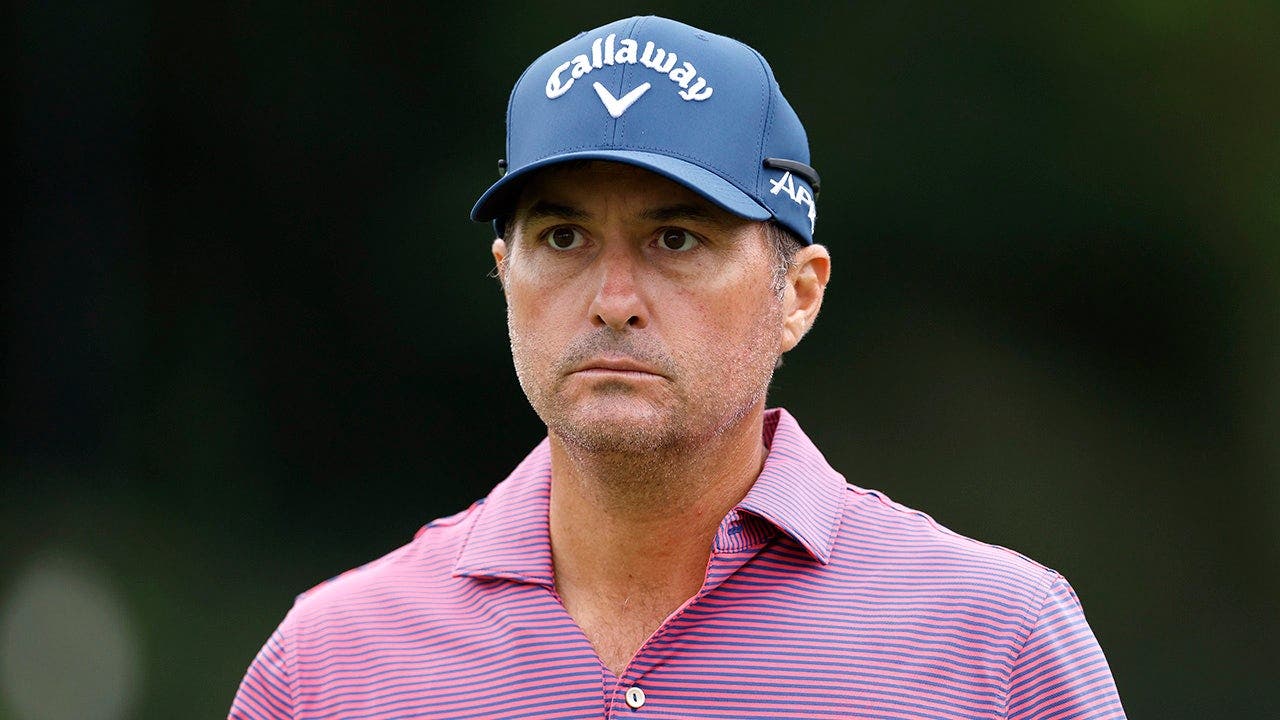
Kevin Kisner called out the TV coverage at the Masters, claiming the broadcast lagged behind the live action at Augusta, and the backlash and logistics that followed make for a revealing look at how modern golf is packaged for viewers. This article unpacks Kisner’s critique, why timing matters to players and fans, the technical and editorial realities that shape broadcasts, and what the conversation says about expectations for live sports coverage.
Kevin Kisner ripped CBS’s Masters Sunday broadcast on Barstool’s Fore Play podcast, saying the coverage was minutes behind live action at Augusta National. Those words landed fast in golf circles because they came from a respected tour pro who spends his weeks competing under the very cameras his complaint targeted. For viewers who follow events in real time on social feeds, a televised delay feels especially jarring and raises questions about fairness and engagement.
Kisner’s gripe taps into a broader frustration shared by many competitors: when TV and digital feeds slip out of sync with on-course reality, it can distort strategy, reaction, and even the pressure of the moment. Players rely on immediate feedback from galleries, caddies, and on-course radio, while fans increasingly expect the same immediacy from broadcasters. That mismatch can create a gap where the drama of a shot gets diluted or, worse, spoiled by disparate timelines.
To be fair to networks, producing a major like the Masters involves a complicated choreography of camera crews, announcers, and rights holders, and sometimes deliberate delays exist for content control. Broadcasters might hold a feed to edit out profanity, remove sensitive content, or align sponsorship messages, and those choices change the rhythm of what viewers get. Still, fans and players alike have become less patient with those kinds of editorial buffers in an era dominated by instant social updates.
Social media reactions were swift, with fans echoing Kisner’s frustration and offering up their own examples of timing mismatches during the tournament. That public chorus matters because networks measure engagement and perception very closely, and a shared narrative about lagging coverage can influence how future broadcasts are structured. Networks want viewers glued to their platforms, but they also face the constant tug-of-war between control and authenticity.
There’s a business calculus here, too: live sports broadcasts are multi-platform operations aimed at satisfying TV audiences, streaming subscribers, sponsors, and international rights agreements. Juggling those obligations can push producers toward conservatism — buffering feeds, staggering camera cues, and prioritizing sponsor visibility over raw immediacy. The question Kisner raised forces a choice: do networks double down on polished presentation or lean into real-time authenticity that mirrors the on-course experience?
Players like Kisner bring credibility to the conversation because they live the consequences of broadcast choices; their perspective often highlights trade-offs that viewers might not notice. When a live shot’s context gets lost in translation between the course and the broadcast booth, it affects perception of pressure and momentum. That matters in golf where a single swing can flip leaderboard narratives just as quickly as social posts spread them.
Fixes won’t be simple, and solutions could range from technical investments in real-time distribution to editorial policy shifts that accept more unpredictability on air. Some outlets are experimenting with near-instant streams and integrated social feeds that preserve immediacy, while others maintain tighter controls for brand safety and production quality. The tension between polished live TV and the raw tempo of the course will keep producers and players debating the right balance as viewing habits continue to evolve.
