
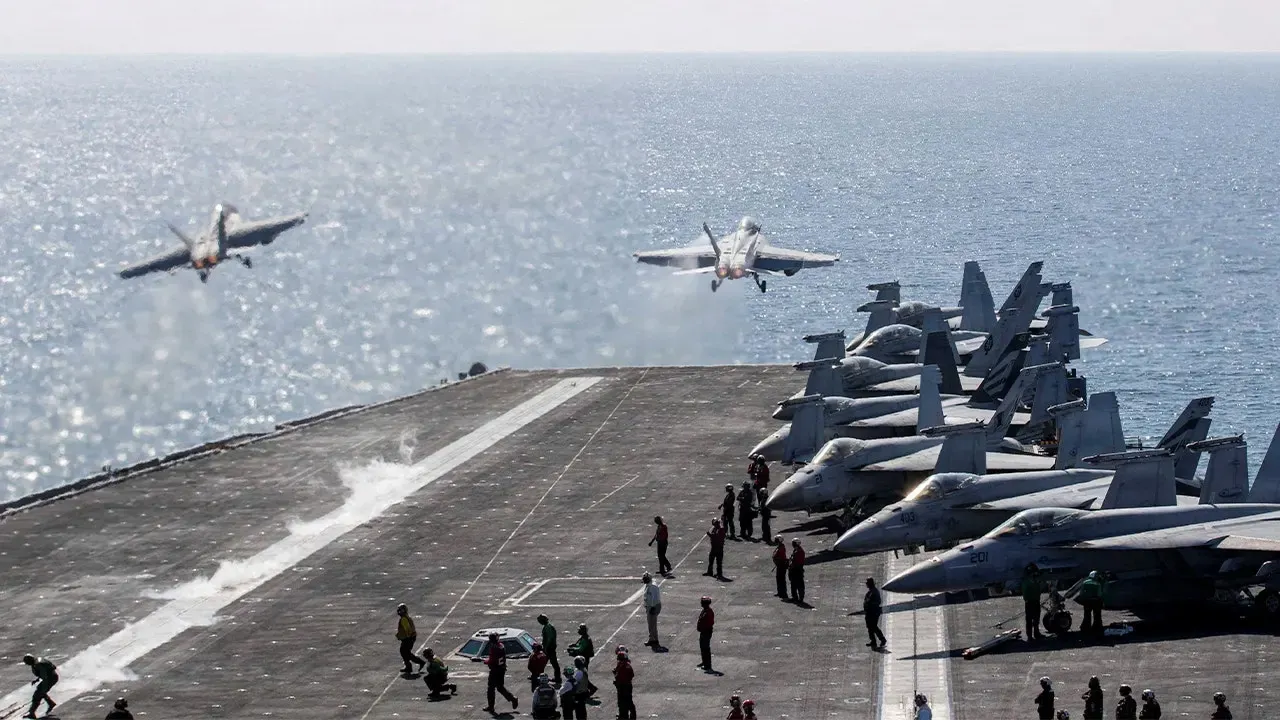
Just back from Doha, where the missiles have stopped and normal life has crept back in, this report lays out why Operation Epic Fury worked on the battlefield, what it cost, and the urgent fixes our military must make to avoid running out of defensive options in future fights.
On the ground in the Gulf, the sense is clear: the immediate danger has eased and commercial traffic is returning. Critics at home labeled the campaign a needless plunge into a wider conflict, but many Gulf partners now believe the strikes produced real, measurable results. The narrative from the front is different than the one you see on cable.
From a practical standpoint, Iran’s missile network was hit hard and many military nodes were smashed or disabled. Thousands of targets were struck, and key pieces of air defense, naval units, and command structures were knocked back. That degradation changed the immediate threat calculus in the region and bought critical time for allies and forward forces.
One dramatic moment that proved our forces’ skill was a nighttime rescue mission inside hostile territory to recover a downed weapons systems officer. The team slipped in under cover and brought both crew members home, a textbook example of precision, planning, and resolve. Those kinds of operations matter in morale and in real operational terms.
Still, the campaign was costly and highlighted painful shortfalls. Our interceptor stocks are being consumed at a pace that cannot continue without a production surge or better conservation tactics. Facing waves of missiles and swarms of drones shows we can’t act like interceptors are unlimited; they are precious and must be managed deliberately.
Friendly fire and identification failures remain a real problem on a chaotic battlefield. Early in the conflict, allied forces accidentally shot down U.S. aircraft during an intense barrage, a reminder that split-second decisions in a crowded airspace can produce catastrophic mistakes. Better interoperability and shared situational awareness would cut down on these tragic incidents.
The solution isn’t just more launchers or more interceptors, it is better command and control that ties sensors, shooters, and allies together in real time. Maj. Gen. Frank Lozano, Army program executive officer for missiles and space, captured it bluntly: “The ability to leverage multiple sensors on the battlefield, have that data fused and managed … and then simultaneously being able to ensure that the right effector is applied against the appropriate threat, in a relevant, meaningful timeframe, is key to what we’re trying to achieve across the globe.” That fusion is the operational multiplier we’ve been missing.
Enter integrated networks like the Army’s Integrated Battle Command System, a plug-and-fight approach that merges disparate radars and shooters into a single picture. IBCS has already proven it can extend defended areas and make each interceptor count by assigning the best shooter to the right target. Getting more of these networks fielded, and doing it fast, ought to be a top priority.
Mobility and survivability also must guide future builds; big, fixed missile sites are inviting targets that our enemies will seek out. The Army’s push to make IBCS units mobile and reconfigurable is smart and practical, because mobility forces an adversary to keep guessing and dissipates the effectiveness of a single strike. Speedy deployment and low technical risk in upgrades are the right path given how urgent capabilities are in the Middle East.
Long term, the burden can’t fall on America alone; partners must step up and buy systems that interlock with ours so coalition defenses become true force multipliers. Poland’s Wisla effort is the kind of model we should export: integrate Patriot radars and launchers with advanced command and control so allies get 360-degree protection. Gulf states fielding Wisla-style setups, tied into our networks, would shrink the chances of friendly fire and close critical gaps in coverage.
The political debate will rage, but the practical fix is straightforward: invest in integrated command systems, conserve interceptors through smarter tactics, speed up mobile defenses, and arm our partners with systems that plug into the American network. Those steps will harden our posture in the region and give commanders the tools they need to fight smarter and avoid needless losses.
