
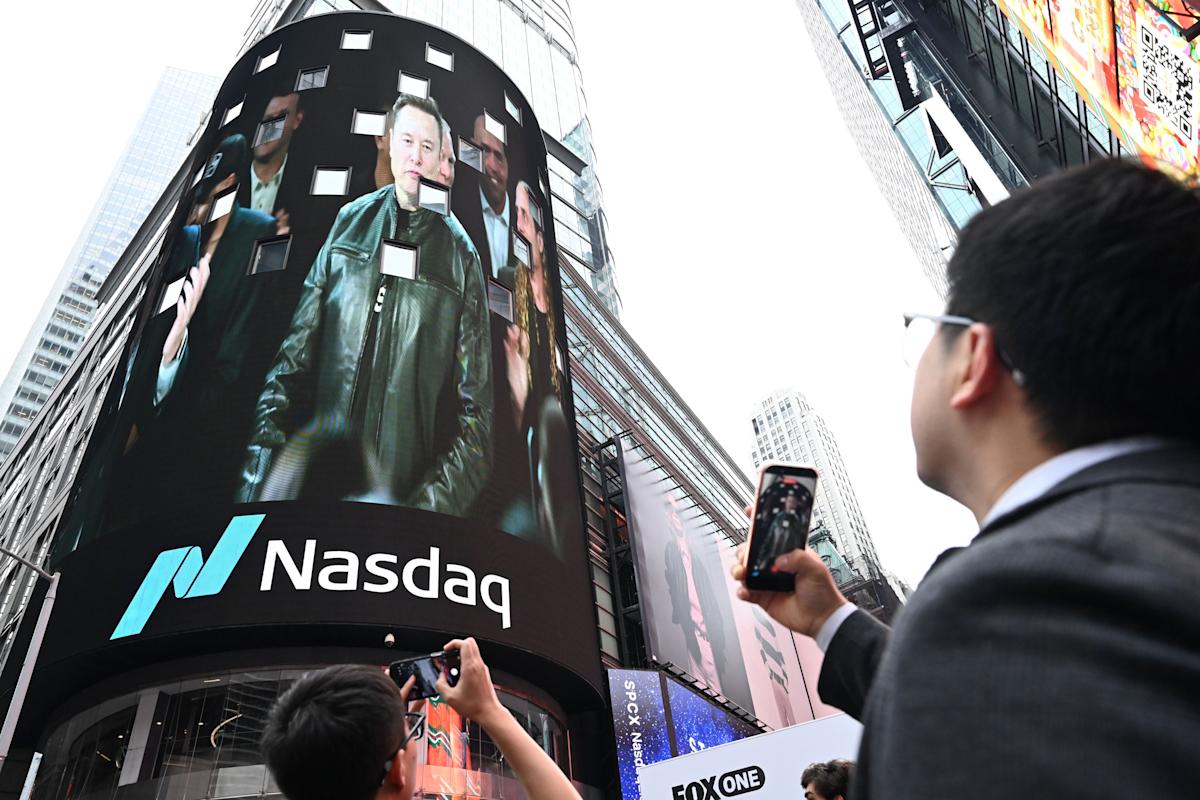
SpaceX’s new public listing sent shockwaves through markets with a blistering start that lifted the company into the rarefied air of trillion-dollar talk. In just two trading sessions the stock ripped higher, drawing retail and institutional demand and prompting headlines about its impact on tech fundraising and related IPOs. That momentum has traders debating whether this is the start of a sustained rally or a volatile flare-up driven by FOMO. Below, a clear-eyed look at what pushed the price higher, who bought in, and what it might mean for other big names and the broader market.
SpaceX opened trading to intense interest, and early session moves pushed the shares up sharply. The company offered more than half a billion shares in the market debut and pulled in roughly $75 billion from investors, a scale rarely seen in modern IPOs. That initial demand set the tone for follow-on buying and a cascade of headlines comparing SpaceX to some of the largest public companies. With valuation chatter running hot, traders are weighing whether fundamentals can catch up to sentiment.
Enthusiasm was driven by both big-pocketed institutions and retail buyers eager to grab a slice of a high-profile name. Family offices and well-known investors stepped up with sizable purchases, while everyday investors appeared to rotate capital from other positions into SpaceX shares. Research noted heavy retail selling in several single-stock names at the same time retail demand for space-related equities climbed to multi-month highs. The result was a rapid rebalancing across market sectors as cash chased the IPO buzz.
“SpaceX going public is an important watershed moment for the broader tech sector in our view as this AI Revolution and data takes this next step forward,” Wedbush analyst Dan Ives wrote on Monday, predicting it will lead to more capital deployed at the companies and boost upcoming IPOs for Anthropic and OpenAI.
The pricing and scale of the offering turned heads, and some market commentators likened SpaceX to a momentum stock that could swing wildly. Momentum flows can turbocharge gains but they can also reverse quickly when sentiment cools or when profit-taking kicks in. Traders who piled in early have already seen outsized moves while risk managers caution that such fast runs create wide intraday ranges and potential for sharp pullbacks. For investors, the mix of excitement and caution feels familiar from other headline-grabbing debuts.
“Elon Musk’s SPCX is already $700 billion larger than Tesla (TSLA), and it’s more than twice the size of Berkshire Hathaway (BRK-B),” Bespoke Investment said in a note.
Retail shifts mattered a lot to the story. Data showed that individual investors were selling down positions in certain sectors, notably semiconductors, to free up cash for SpaceX purchases. That selling pressure hit names tied to chipmakers and storage, while at the same time retail appetite for space and aerospace stocks rose to levels not seen since late last year. These flows underscore how a single, high-profile offering can ripple across unrelated corners of the market when traders chase headlines.
Institutional demand was no less important; large funds and wealth managers helped absorb the huge supply of shares and anchor the aftermarket. Several high-profile investors increased their stakes during the offering, which helped signal confidence to other buyers. The mix of retail exuberance and institutional backing is what pushed the stock into the headlines, and it explains the speed and breadth of the initial lift. But that same mix also raises questions about valuation discipline and what happens once the initial buzz fades.
Looking forward, the immediate market reaction tells one story and the longer game could tell another. If the company executes and revenue prospects follow the lofty expectations, price discovery will settle at a higher but more sustainable level. If growth or margins disappoint, the stock could see sharp corrections as momentum traders exit. Either way, SpaceX’s debut has already changed the conversation about how big private winners might transform public markets and what investors should expect when the next wave of tech giants comes to market.
