
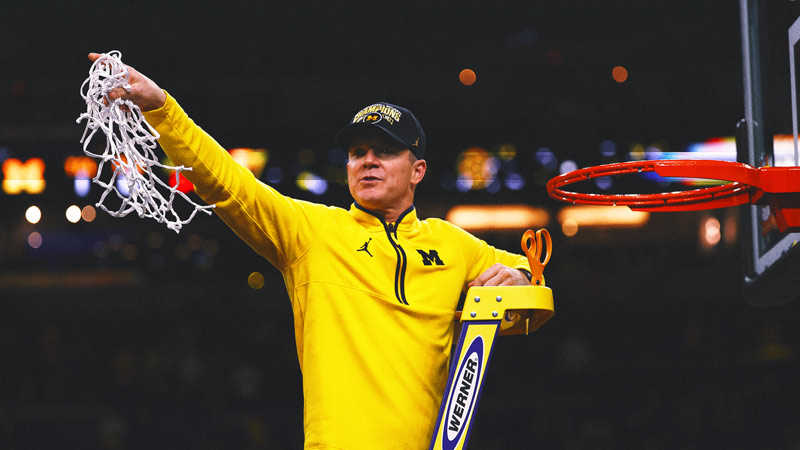
Michigan athletic director Warde Manuel announced that the school has signed head coach Dusty May to a new contract, a move aimed at keeping continuity and ambition in the Wolverines’ program. The agreement signals the university’s confidence in May’s leadership and its desire to build long-term success. This article unpacks what the deal means for the team, the fans, and the program’s future trajectory.
The announcement itself was straightforward, but its implications are anything but small. Locking in a head coach sends a clear message to recruits, rival programs, and the locker room that the university wants steady leadership. For a high-profile program, stability at the top often translates into better recruiting, clearer strategy, and higher expectations across the board.
Dusty May now carries both opportunity and pressure; a new contract buys time but also raises the bar. Fans and boosters will expect measurable progress season after season, and the administration will want visibility of development on and off the court. That dynamic creates a test of how well coaching philosophy, talent development, and organizational support line up.
From a roster perspective, contract security helps on two big fronts: recruiting and retention. Prospective players prefer knowing who will lead the program through their college careers, and current players get reassurance that a consistent system will be in place. That continuity matters when competing in a conference where one offseason can reshape the balance of power.
Behind the scenes, a new deal usually reflects more than just wins and losses; it often includes resources, staff commitments, and performance markers. Athletic departments weigh these components carefully because the right support staff and budget can make the difference between close calls and breakthrough seasons. When leadership commits resources and trust, coaches have a better shot at delivering.
Booster and fan reaction will shape the atmosphere around the program moving forward. Enthusiasm can be a powerful fuel, but expectations can turn sour fast if results lag. A coach with a renewed contract enters a relationship with stakeholders that now expects momentum and steady direction rather than tolerance for rebuilding year after year.
On the recruiting trail, Michigan can use this announcement as a selling point: a program committed to consistency and a coach with job security. That message can be persuasive when prospects are deciding between offers and contemplating which program best suits their development. In a crowded market, feeling wanted and supported by a stable staff can tip the scales.
More broadly, the timing of the contract matters in the college sports landscape, where movement is constant and headlines can shift quickly. Programs that move first to secure coaching talent often gain a competitive edge, not just in signings but in perception. This signing positions Michigan to avoid the churn that destabilizes programs and instead focus energy on growth.
Ultimately, a contract is still a starting point, not an endpoint; what follows will be games, recruiting cycles, and a season-by-season test of whether this commitment pays off. The administration’s action shows intent, the coach has a platform to execute, and the fan base now watches to see if the promise of steady leadership turns into consistent results. The next chapters will be written on the court and in the recruiting room, where ambition and execution meet.
