
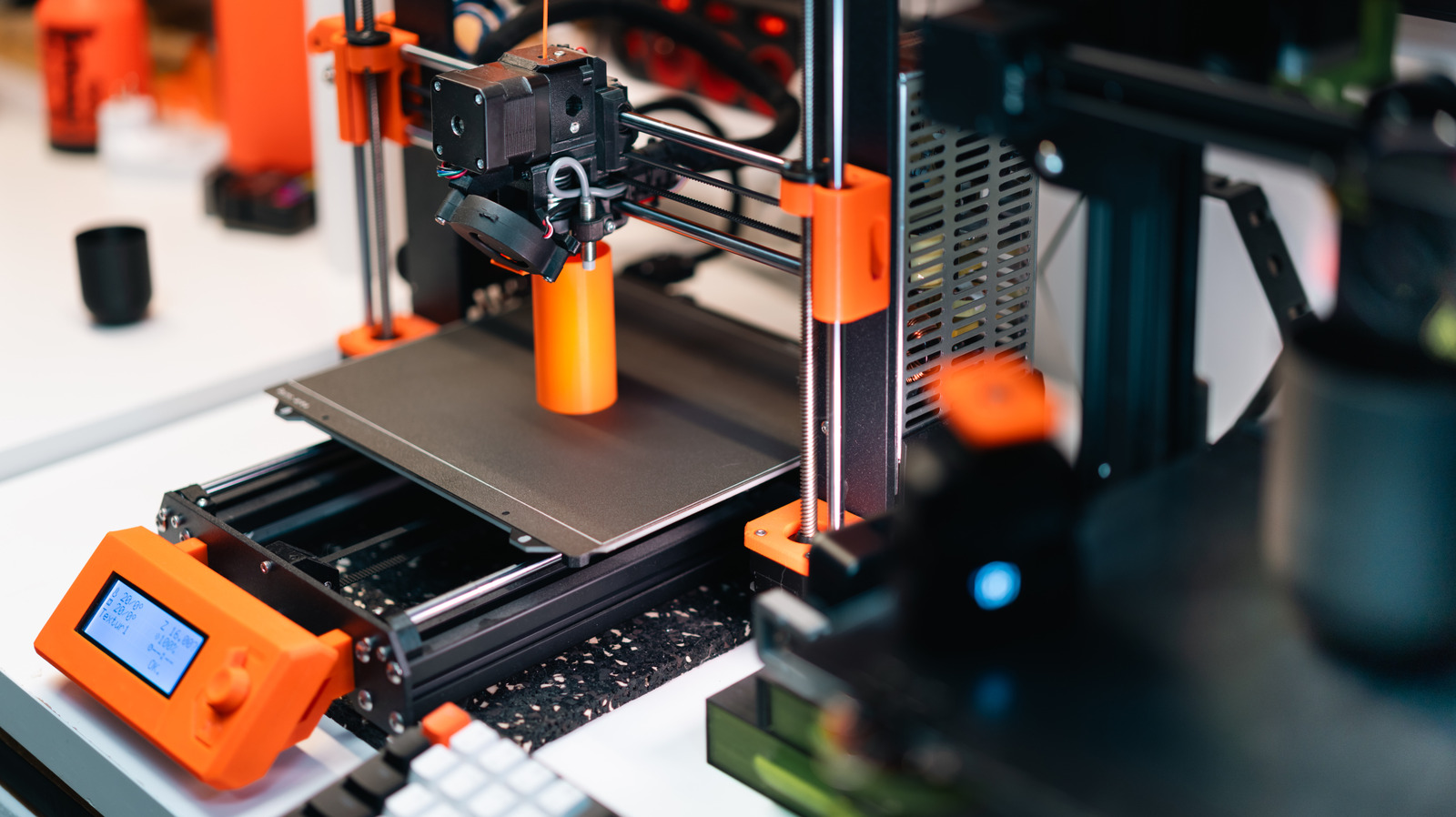
Want to keep your 3D printing game sharp? This article walks through the practical gadgets and materials that speed prints, lift surface quality, and open new creative options without the fluff. Expect clear, usable takes on hardware upgrades, material breakthroughs, and helpful accessories for makers at every level.
Smart printers are more than Wi-Fi and glossy touchscreens; they bring integrated sensors and smarter firmware that prevent failures before they happen. With built-in cameras and thermal monitors, modern machines can pause or adjust mid-print instead of wasting hours of filament. That reliability alone saves time and frustration when a deadline matters.
Faster extruders and improved hot ends change the math on print time without killing detail. High-flow nozzles and beefed-up heat blocks allow thicker layers at higher speeds, but new designs keep stringing and blobs under control. Pairing those components with tuned cooling gives surprisingly crisp results even when you’re cranking throughput.
Multi-material and multi-tool heads are breaking single-purpose limits in small shops and home setups. Swappable toolheads let you print rigid structures, flexible elements, or soluble supports in one go, cutting assembly time and expanding design possibilities. For anyone prototyping complex parts, that modularity is a productivity multiplier.
Material innovation is moving fast and it’s worth paying attention to what’s new in filament and resin formulas. Composite filaments reinforced with carbon, glass, or metal particles deliver strength and finish that rival molded parts for many uses. Flexible, high-temp, and conductive blends also let designers pack functions into a single printed piece, not separate assemblies.
Build surfaces and adhesion aids are simple upgrades with big payoff for first-layer consistency and warping control. Textured PEI, magnetic spring-steel sheets, and specialty tapes create a better marriage between print and bed, reducing calving and failed prints. When the part pops off cleanly after cooling, post-production starts sooner and looks cleaner.
Filament dryers and controlled storage are underrated but essential for reliable results with hygroscopic materials. PLA tolerates moisture poorly but nylon and PETG suffer more, so dry boxes and inline filament dryers stabilize extrusion and cut under-extrusion problems. For shops that keep multiple materials on hand, a dedicated drying setup protects both time and material investment.
>
Advanced slicers and AI-assisted toolpaths change the game on how printers interpret models, squeezing time savings without sacrificing strength. Adaptive layer heights, variable infill, and machine-learning optimizations mean the slice job is smarter, not just faster. Those software gains often steer hardware choices and vice versa.
Sensors and closed-loop feedback are the backbone of precision in new machines and retrofits. Filament runout detectors, filament motion sensors, and stepper encoders catch errors that used to mean a ruined print. Once you add feedback loops, a printer starts correcting drift and missing steps automatically, producing repeatable outcomes.
Post-processing devices like automated wash-and-cure stations, sanding attachments, and compact finishing rigs turn raw prints into presentation-ready parts much faster. For resin users, consistent UV curing and controlled washes prevent brittleness and warping that come from rushed finishing. Even FDM parts benefit from simple tumblers or heat-smoothing devices to polish surfaces quickly.
Modular upgrade kits make pro-level features affordable for people who already own a base printer. From direct-drive conversions to dual-gear extruders and quick-release nozzles, these kits extend machine life and capabilities instead of buying a whole new unit. They’re an economical route to test features before committing to larger investments.
Workplace improvements and safety gear deserve attention alongside flashy gadgets, because clean, ventilated, and organized workspaces boost output and protect users. Enclosures with filtration, proper PPE for resin handling, and well-placed lighting reduce mistakes and long-term risks. Comfortable, safer spaces also keep teams focused and productive for longer stretches.
Large-format platforms and continuous-fiber solutions open doors to real engineering parts and one-off fixtures that cut manufacturing steps. Printing bigger or embedding continuous fibers can replace welded or assembled components in jigs and end-use parts, simplifying supply chains. Those capabilities are shifting conversations from hobby projects to useful industrial workflows without massive capital outlay.
