
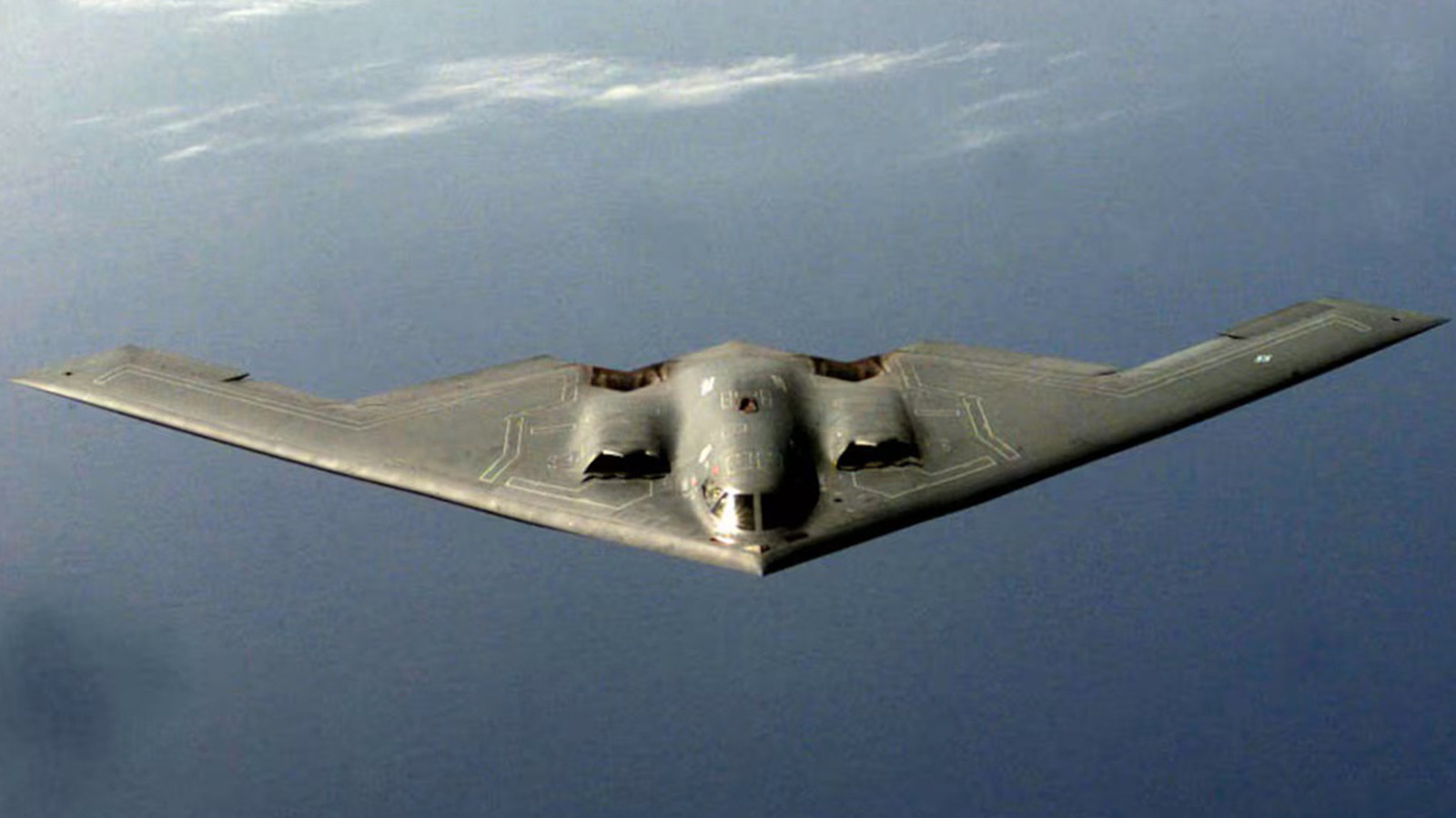
The Air Force and the Navy ran a joint exercise off the California coast that pushed familiar weapons into unfamiliar roles, testing how existing firepower can be moved, linked, and launched in smarter ways. Sailors and aircrews practiced coordinating launches, cross-loading munitions, and using unmanned systems to extend reach and reduce risk. The exercise focused on practical tweaks to doctrine and logistics rather than waiting for brand-new hardware.
Ships and aircraft worked together in a dense training window, trading data and firing routines to simulate real-world pressures. Surface vessels kept station while aircraft cycled through strike profiles, and support crews shaped ordnance flow on the deck and in the air. The choreography aimed to shave seconds off reaction times that can matter in fast-moving crises.
One of the clearer themes was adaptability: take proven weapons and get them where they matter faster. That meant experimenting with launch platforms that are not normally paired with certain munitions, and streamlining handoffs between crews. The result was more options for commanders who may need to choose between speed, stealth, or sustained firepower.
Unmanned systems featured as force multipliers, carrying sensors and acting as relay nodes between ships and aircraft. Drones helped extend sensor coverage well beyond line of sight and allowed manned assets to focus on strike tasks. Using unmanned platforms as part of mixed teams reduced exposure for pilots and sailors during high-risk phases of an engagement.
Logistics got a workout too, because moving weapons around under operational tempo exposes weak spots quickly. Crews ran drills on cross-deck transfers and rapid rearming procedures to keep aircraft and ships mission-ready. Those practical rehearsals cut friction and highlighted small fixes that create outsized gains in a real fight.
Command and control experiments aimed at making decisions faster without fragmenting authority or safety. Leaders pushed data links and shared targeting feeds to test whether a single picture could drive quicker, more accurate strikes. The exercise showed promise in centralized targeting supported by distributed execution, where the right mix of autonomy and oversight keeps operations tight and legal.
Tactically, the exercise opened new windows for surprise and persistence. By mixing launch platforms and dispersing shooters, forces can complicate an adversary’s targeting and defense calculus. That dispersion also buys survivability, because an enemy cannot shut down a capability by hitting a single node.
Training value showed up in unexpected ways, especially in seamanship and aircrew coordination. Small mistakes under pressure revealed where checklists need tightening and where human factors limit performance no matter how advanced the gear. Fixing those human-system frictions is often cheaper and faster than procuring a next-generation solution.
Strategically, the lessons feed into a broader push for flexibility across the force. Rather than banking everything on the next big weapon, the exercise proves you can expand capability by innovating how existing tools are used. That pragmatic approach stretches budgets and accelerates the timeline for capability improvements.
Follow-on steps include more iterations of this mixed-force approach, additional training across different operating areas, and refining doctrine to lock in the best practices. Planners will study after-action reports to turn rough experiments into repeatable procedures. The pattern is clear: smart process changes, not just new toys, can shift the balance when it counts most.
