
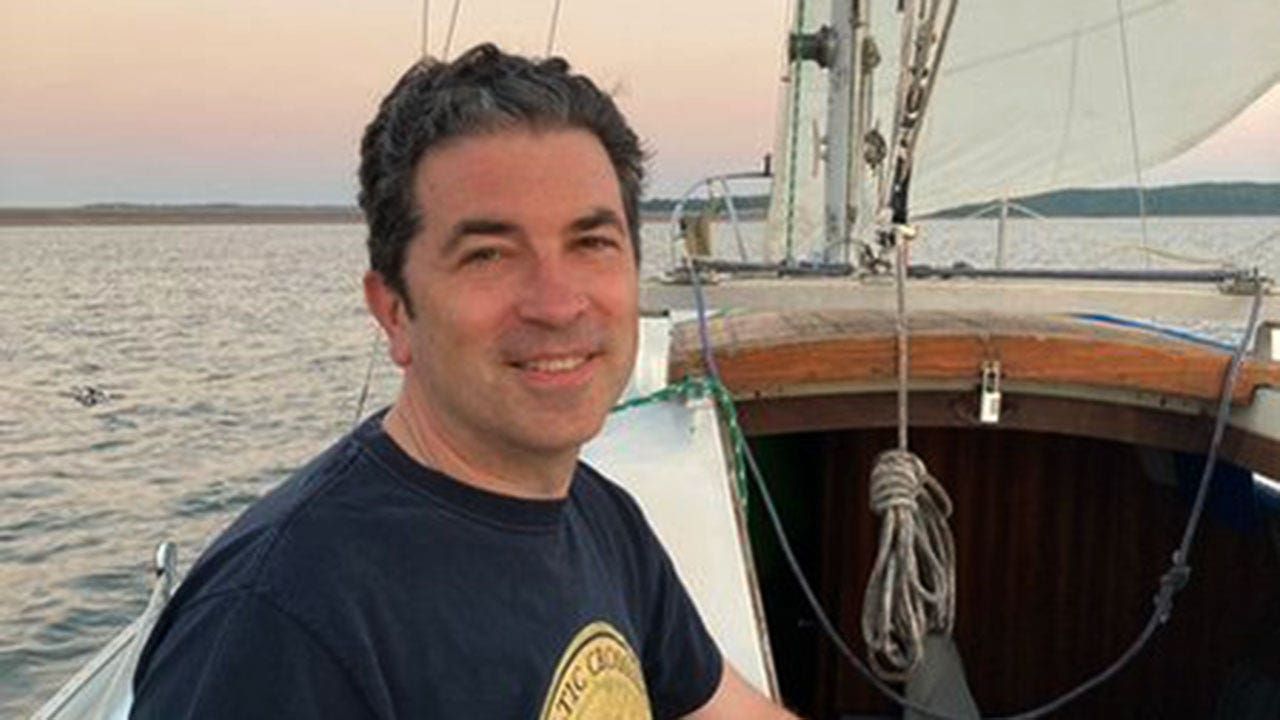
I was a practicing internal medicine doctor who cared for Alzheimer’s patients, and now at 60 I live with the disease myself. New therapies that remove abnormal brain plaques have given me back parts of my life, but real access to those treatments is blocked by a health system built for late-stage care. This piece lays out what worked for me, where the system failed, and what policy changes can let more families benefit sooner.
I spent my career in hospitals and clinics, teaching residents and running an academic practice while coaching my kids’ teams and serving at church. Then three years ago routine tasks stopped coming easily and work became a minefield of small mistakes. One afternoon I was called into my supervisor’s office and fired after fumbling things I had always done well, and I was left asking, “What is wrong with you?!”
ALZHEIMER’S SCIENTISTS FIND KEY TO HALTING BRAIN DECLINE BEFORE SYMPTOMS My family first noticed the changes: losing track of my phone, putting things in the wrong place, repeating questions. At 57 I was too young for what we all assumed was typical aging, and a new blood test measuring p-Tau217 confirmed Alzheimer’s pathology. Imaging backed up the diagnosis and suddenly everything I knew about my life and my work was different.
As a physician I understood how little we had to offer for decades: drugs that marginally boosted neurotransmitters and a long, heartbreaking slide for many patients. We watched people lose speech and swallow, and families carried the burden as care narrowed to keeping people comfortable. That was the default until recently, and it taught me how devastating slow progress can be for families and communities.
ALZHEIMER’S DISEASE COULD BE REVERSED BY RESTORING BRAIN BALANCE, STUDY SUGGESTS My wife refused to accept that fate for me. She pushed for the new monoclonal antibody infusions designed to clear abnormal plaques from the brain, and I began regular treatments that have slowed my decline and sharpened my thinking. I still have Alzheimer’s, but the therapy has returned enough function that I can be present and useful in ways I feared were gone.
Before treatment I struggled with tasks at church and at home, and after the infusions I could again meet my responsibilities at the altar and around the house. I babysit my two-year-old grandson twice a week, take bike rides that feel like reclaiming childhood joy, and teach medical students how to deliver bad news with compassion. Small freedoms like three-mile walks and time with family have become priceless
HIDDEN BRAIN CONDITION MAY QUADRUPLE DEMENTIA RISK IN OLDER ADULTS, STUDY SUGGESTS If a therapy can restore life for patients like me, you would expect quick and wide access. Instead our system funnels people toward late-stage care: cognitive decline is dismissed as normal aging, specialty referrals create six-month to year-long waits, and by the time answers arrive the window for effective intervention has often closed. That delay matters; biology and timing determine whether treatment can make a real difference.
CANCER MAY TRIGGER UNEXPECTED DEFENSE AGAINST ALZHEIMER’S DISEASE, RESEARCHERS SAY Even when patients are diagnosed early, financial and administrative barriers block access. Tests and infusions are expensive, insurers demand repeated proof, and coverage denials force families into appeal battles that interrupt care. My wife, Cindy, spent hours fighting to keep my treatment going and at times denials took me off therapy long enough to lose ground before we could resume.
Primary care needs to be the frontline for early detection, armed with modern tools like blood-based biomarkers and validated cognitive assessments that can be done in routine visits. These tests should be covered and available, not restricted to academic centers or those who can pay out of pocket. Primary doctors can also advise on practical, evidence-based lifestyle measures such as exercise, sleep, and social engagement that help some patients.
LURKING DEMENTIA RISK EXPOSED BY BREAKTHROUGH TEST 25 YEARS BEFORE SYMPTOMS Policy must catch up to science. A proposal by Rep. Young Kim, the BRIDGE Act, would extend Medicare coverage so people under 65 diagnosed with Alzheimer’s can access treatment without falling off insurance cliffs. That kind of pragmatic reform—recognizing caregivers as essential partners and removing needless insurer roadblocks—would keep more people in treatment and more families out of crisis.
Alzheimer’s research has moved forward and proven therapies can change lives, but politics and policy must follow. We can expand early detection in primary care, stop coverage denials from interrupting effective treatment, and support families who make care possible. Those changes will let breakthroughs do what they were meant to do: keep people living full, connected lives for longer.
