
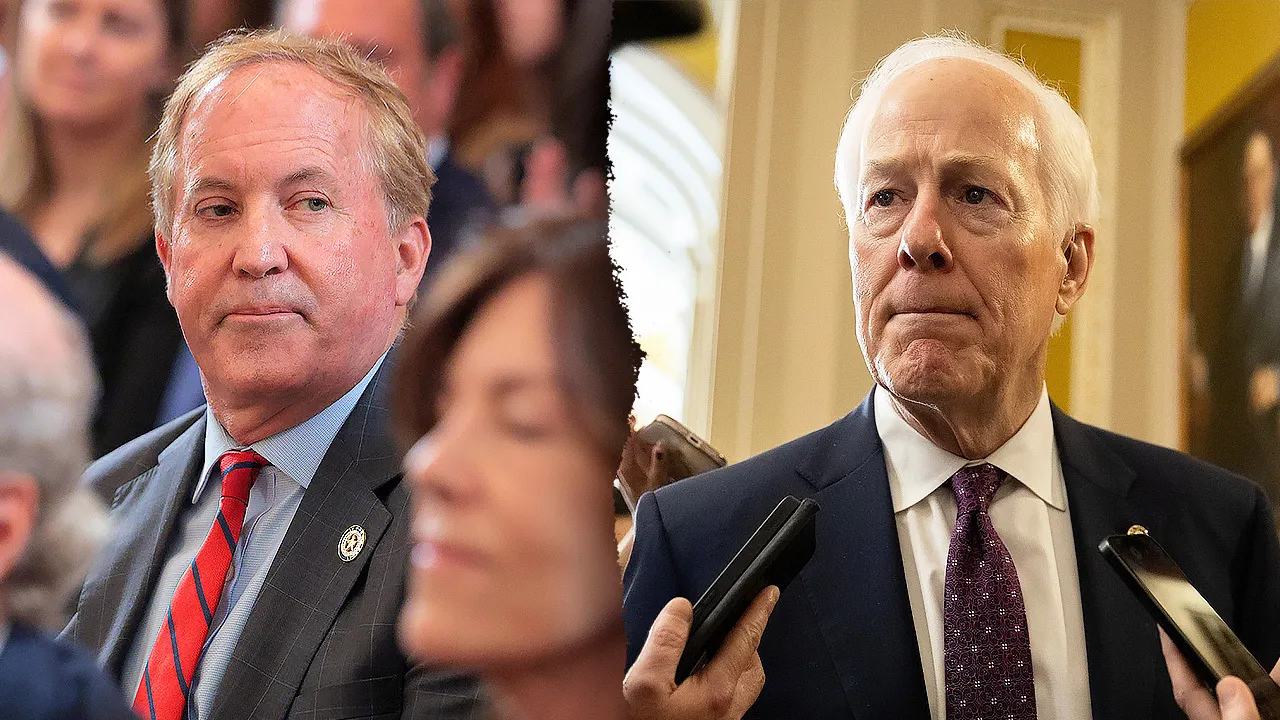
Texas Republican voters are deciding whether they want a steady, status-quo senator or a fighter who will back the president and push conservative priorities hard. In Dallas conversations, many describe John Cornyn as affable and experienced but not the wartime consigliere today’s Republican base seems to want, while Ken Paxton is seen as a rough-edged ally willing to take aggressive action. This piece captures those voter sentiments and explains why electability and likability aren’t always the same thing in a charged political climate.
There is a clear nostalgia for a different kind of Republican in some corners, a lawmaker who keeps things orderly and negotiates quietly. That governor-of-the-old-school approach translates for many into competence and stability, qualities Cornyn embodies for long-time conservatives. Yet the current energy among grassroots voters rewards combativeness and visible loyalty to conservative fights.
On a downtown Dallas lunch, an ordinary voter put it plainly: “I like Cornyn. He’s a good guy, but Trump needs fighters in D.C.” That line captured the tension between respect for Cornyn’s record and a hunger for more aggressive action. Across conversations, voters repeated versions of that idea: competency without teeth is not enough when the opposition is bluntly driving the agenda.
Another voter told me, “Cornyn just seems to be from a different time. Maybe it was a better time, but it’s not now.” That sense of being out of sync matters when the party’s base feels raw and impatient. Republican voters who once tolerated steadiness now demand lawmakers who will challenge the left and defend hard-won policies without endless hedging.
Many Texans voiced frustration with senators they see as too cautious, naming figures whom they think approach fights with the wrong mindset. From their perspective, the GOP needs leaders who will take the offensive and not worry about being liked by the left. That appetite for fighters translates directly into support for candidates who show loyalty to populist, America-first instincts.
Voter ID and election integrity are examples where activists say they want clear action rather than procedural niceties. Ads and conversations about breaking the filibuster and passing strict voter ID laws tapped into a deep instinct in the party to secure the system. People I spoke with assumed Paxton would back those moves while doubting Cornyn would lead the charge.
Paxton’s persona is blunt and unapologetic, and for many conservatives that is exactly what they want from their senator. He is credited by supporters for standing with tough policies on trade, immigration, and law enforcement, and for defending presidential prerogatives. When the pitch is simple — loyalty plus action — it lands with voters who equate strength with success.
Scandals and allegations swirl around Paxton, yet they often register as secondary to his perceived effectiveness as attorney general. Several voters said they either did not know the details or were more interested in results than in personality. For them, cracking down on fraud or supporting hardline immigration steps matters more than tarring a candidate with long-standing accusations.
Even some Democrats admitted to respecting specific Paxton moves on abuses of visa programs and regulatory fraud, which underlines a pragmatic streak among voters. That kind of cross-aisle acknowledgment helps explain why aggressive messaging on corruption and enforcement can neutralize scandal narratives. Republican voters hear enforcement and hear action, and that message resonates more than careful legalism.
Cornyn’s defenders argue electability and coalition-building matter most when the general election arrives, and there is logic to that. But when a base feels threatened and energized, electability framed as moderation can become a liability in a primary. The quiet voter theory is comforting to moderates, but primaries rarely reward quiet over fervent.
Across the board, the prevailing sentiment was not personal dislike for Cornyn; people described him as decent and measured but not the combative partner they want in a GOP leaning into offense. A few critics sounded more like social media posts than conversations, but the broader pattern was consistent: respect without trust in wartime politics. The implication is straightforward — voters want fighters.
Reading national signals, too, suggests a party shifting toward candidates who embrace a tougher posture on foreign policy, trade, and cultural fights. The rise of insurgent voices has pushed Republican appetites toward assertive leaders who will break old routines. In that context, candidates who seem content to manage rather than confront face a steep climb.
The choice for Texas Republicans is simple: keep a steady hand that seeks compromise and stability, or pick a warrior who will back bold moves and protect the base’s priorities. From conversations in Dallas and across the state, the lean is toward selecting someone ready to go to the mattresses for conservative wins. The primary will tell whether voters make that preference official.
