
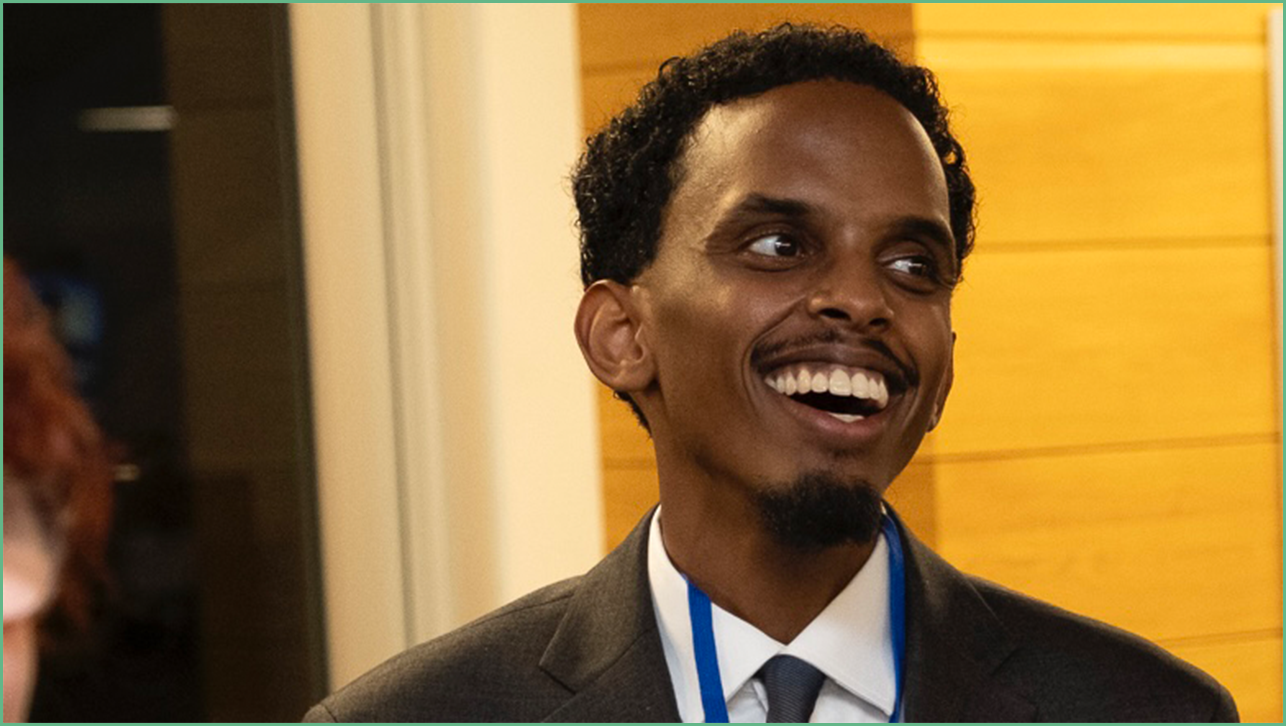
This piece examines Minnesota state senator Omar Fateh’s recent social media pledge to make the Cedar Riverside neighborhood off-limits to certain people, how that claim clashes with American freedoms, and why Republicans view it as a dangerous step toward division and vigilantism.
Omar Fateh posted video from the Cedar Riverside towers with the line, “Cedar Strong. White Supremacists aren’t welcome here. We protect our own.” That message touched off a heated debate about whether communities can declare themselves off-limits to people based on politics or perceived beliefs. From a Republican perspective, that kind of exclusion is a direct challenge to constitutional freedoms and the rule of law.
The phrase “no-go zone” has been used in Europe to describe areas where outsiders, especially White people, are said to be unsafe. Fateh’s posts explicitly referenced that idea, and he later wrote, “This is a No-Go zone for white supremacists,” with an angry emoji. That rhetoric blurs the lines between condemning genuine extremists and banning ordinary Americans who hold different political views.
We cannot ignore free speech and free movement. If someone foolishly wears Nazi symbols or marches in provocative attire, the law still protects their right to expression unless they commit a crime. Saying “You don’t decide who is and isn’t welcome anywhere. We don’t allow ‘no-go zones.’” is a reminder that no local politician or faction should be able to carve out exclusionary zones in the United States.
Omar Fateh’s target seems broader than classical white supremacists. The rhetoric appears aimed at supporters of President Donald Trump and at people who back Immigration and Customs Enforcement operations in the Twin Cities. Labeling mainstream political opponents as illegitimate or dangerous is a tactic that undermines healthy democratic debate and sets the stage for intimidation.
Recent confrontations in Minneapolis have shown how tense this issue is. Pro-Trump counter protesters were reportedly assaulted while trying to make their voices heard, and one man was pressured to remove an American flag sweatshirt in freezing weather. Incidents like that feed real fear among conservatives and show how political disputes can spill into physical harassment.
Who enforces a so-called no-go zone? The idea of a neighborhood policing its own boundaries raises alarms about militias and parallel power structures. Will local leaders deputize enforcers or rely on informal groups to intimidate or expel visitors? Republicans see this as a dangerous slide toward lawlessness that threatens everyone’s safety and our shared civic norms.
There is also a broader cultural concern about assimilation and civic responsibility. When community leaders suggest semi-autonomous behavior or treat national laws as optional, they fracture the social compact that binds Americans together. Some leaders in the Somali community have been accused of resisting integration, and that accusation fuels debates over accountability and leadership priorities in diverse neighborhoods.
Calling an American neighborhood off-limits to people based on presumed beliefs is a rejection of the American model of citizenship. It echoes old practices like sundown towns in a new, politicized form and risks deepening resentment across communities. Republicans argue that public officials should de-escalate tensions, insist on equal treatment under the law, and protect everyone’s right to move freely and speak without fear of being branded beyond redemption.
This is not just political theater. It has real consequences for safety, commerce, and civic life in Minneapolis and beyond. If politicians endorse exclusionary zones, they invite confrontation and undermine trust in institutions meant to keep order. The message from those who value liberty and the Constitution is clear: no neighborhood in America gets to turn its back on the rule of law or on fellow citizens simply because of political disagreement.
