
The U.S. military is on the verge of fielding helmets that feel ripped from a video game, blending augmented reality, sensors, and networked systems so a soldier can see the battlefield in layered, shared ways. These helmets connect troops, drones, cameras, and sensors into a synchronized picture that highlights threats and friendly positions, boosts hearing, and brings real-time targeting tools into a compact heads-up display. The piece explores what the tech does, how it works in practical terms, and what it promises for soldier survivability. It keeps quoted remarks exactly as spoken while removing external links and promotions.
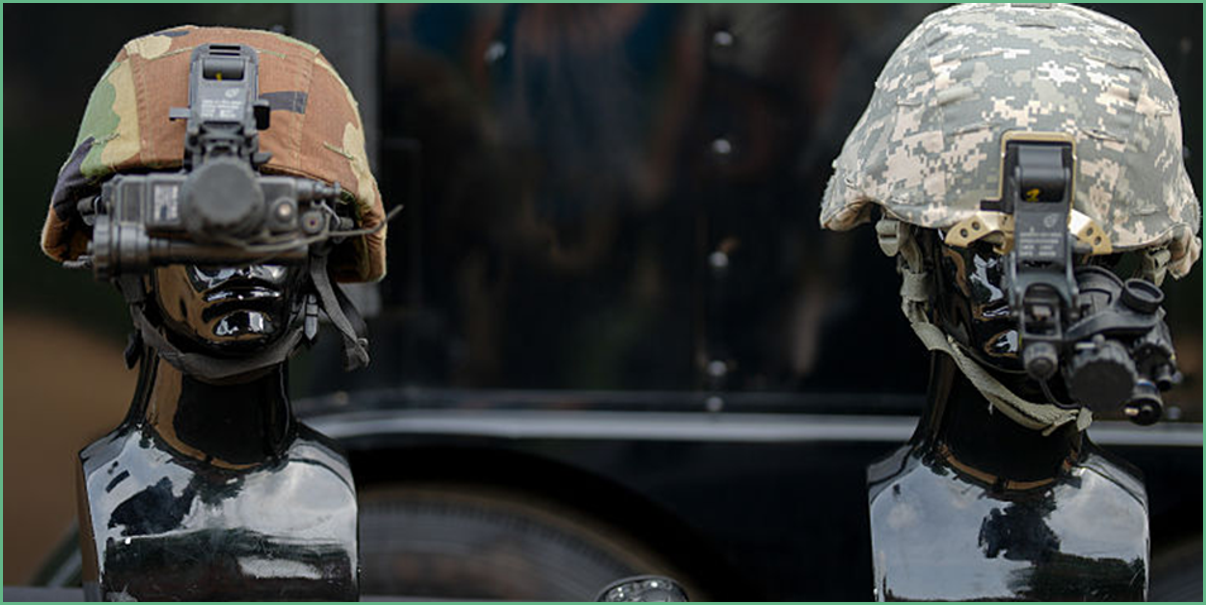
The standard infantry helmet has changed little for decades, mostly getting better padding and attachment points for night vision and comms. What Anduril’s Eagle Eye concept introduces is a leap: a helmet that synthesizes multiple feeds into one interoperable view for each wearer. That shift is less about looks and more about turning isolated sensors into a collective awareness that any individual can tap into.
Visually the demo resembles a first-person shooter HUD, complete with a tactical overlay showing direction and nearby contacts, and it purposely mirrors interfaces younger soldiers already know. Providing a directional map in the bottom corner of the soldier’s , the optics present familiar icons and cues so decisions are faster and less clumsy. That familiarity matters when split-second choices determine survival.
A heads-up display can flag possible enemy positions with a bright indicator and let a soldier pick and direct a nearby drone to take a closer look or execute a tactical strike. The interface supports messaging and voice comms so team members share observations while selecting options from the same visual palette. In practice this means actions that once required back-and-forth radio chatter happen almost instantly through the helmet’s controls.
The system’s backbone is what engineers call a hive mind: multiple platforms feeding a single fused picture and letting each user access whatever any sensor sees. “Think of it almost like a hive mind.” That exact phrase captures the aim — shared situational awareness so any team member benefits from another’s line of sight or sensor sweep. When everyone can see a threat, the margin for error shrinks.
Palmer Luckey described the concept plainly on a public podcast, stressing fusion of different sensor types and shared command. “The ability to have night vision, thermal vision, but also the ability to see where all the bad guys are, see where all the good guys are by fusing everyone’s view together. Think of it almost like a hive mind,” inventor Palmer Luckey recently told Joe Rogan. “If I’m able to see something, you should be able to see it. If a drone can see it, you should be able to see it. Even if it’s on the other side of a building, you should be able to see it and effectively have X-ray vision. And I should be able to command and control all these other systems using this heads-up display interface,” Luckey continued.
That fusion relies on “intelligence sensors” that don’t just provide imagery but analyze signals: radio emissions, cellphone activity, and gunshot signatures. The helmet can triangulate where rounds originated and show approximate distance to the shooter, giving troops immediate context for seeking cover or suppressing fire. When combined with thermal and night-vision modes, the system turns fragmented cues into actionable information.
Anduril’s demo showed how connected augmented reality glasses replicate helmet data so a commander or remote sensor operator can see what a soldier sees, or vice versa, in real time. This creates a persistent, shared environment where a drone, a camera, and a soldier’s optics all contribute to the same operational picture. The company frames it as an advantage that shortens sensor-to-shooter timelines and reduces uncertainty on the ground .
In one sample clip, the technology painted allies moving inside a shipping container as simplified silhouettes, letting a nearby soldier track teammates through obstacles until both parties confirmed contact with an enemy. That depiction emphasized identification over photorealistic renderings to avoid confusion while preserving the tactical value of seeing through partial obstructions. The result is faster coordination and fewer wrongful engagements.
Beyond vision, the helmets include hearing protection with selective amplification that focuses on specific directions while suppressing ambient noise, sharpening a soldier’s auditory picture. Those audio tools pair with sensors to provide a layered cue set: visual markers tied to sound sources and sensor detections. Together they create an integrated toolkit for finding and isolating threats under stress.
Anduril says its development used no direct taxpayer funding and positions the product as a soldier-protection technology meant to reduce casualties by giving individuals superior awareness. The company is also advancing complementary counter-drone kits and other systems intended to protect small units from aerial threats that have reshaped modern battlefields. These combined capabilities aim to make individual fighters more informed and more survivable in contested environments, while leaving open questions about doctrine, training, and how such systems will be fielded at scale.
