
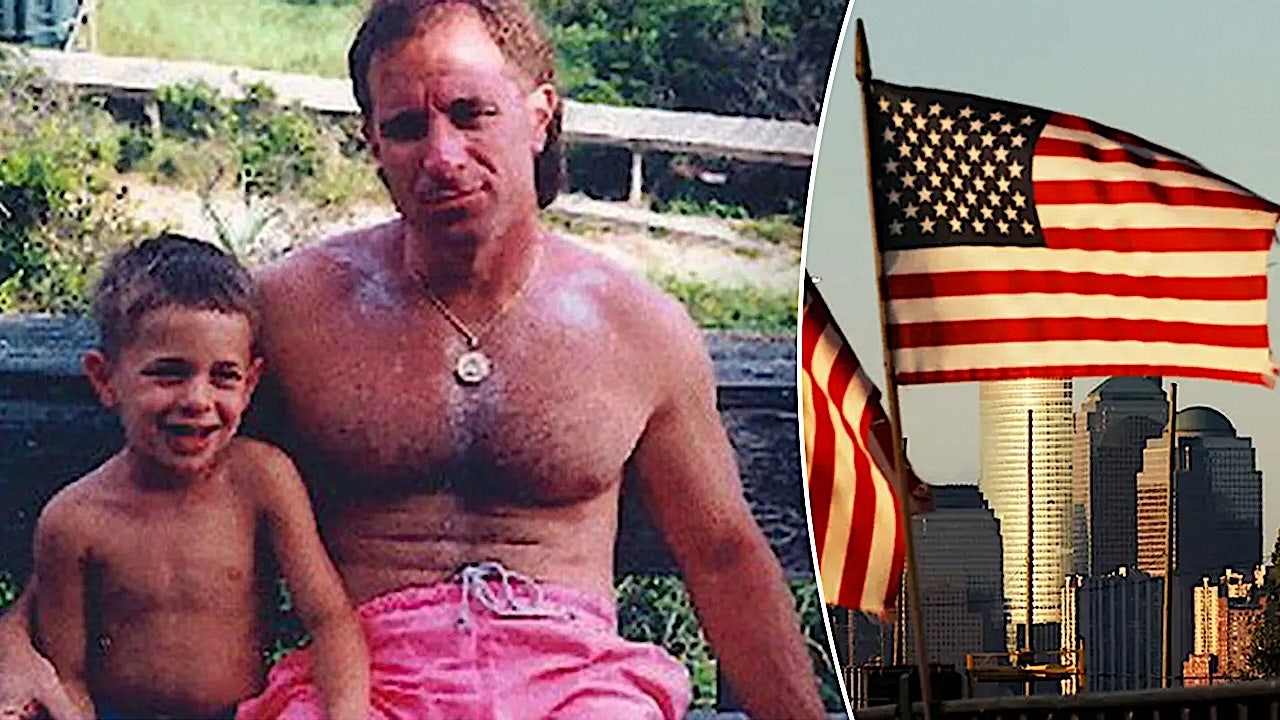
Twenty-five years after 9/11, the grief still has a pulse. David Ferrugio, whose father died in the World Trade Center attacks, has turned that loss into a public conversation about survival, healing, and the strange way pain can reshape a life. Through his podcast and book, he keeps returning to the same hard truth: the people left behind do not simply move on, they carry the day with them.
Ferrugio was only 12 when the towers fell, living in New Jersey and watching the tragedy unfold on television. That kind of childhood shock leaves a mark that never really fades, especially when it comes tied to a parent’s death. He describes September 11 as the kind of moment that splits a life in two, before and after, with no clean bridge between them.
What makes his story stick is the way it moves from silence to speech. For years, he kept emotions bottled up, then slowly realized that talking about grief did not weaken it, it gave it shape. That shift led him to build a space where other people could talk openly about death, loss, and the messy business of staying upright after heartbreak.
One of his biggest lessons is simple but not easy: sit with the uncomfortable parts instead of running from them. Grief does not get gentler just because it is ignored, and the pressure of pretending everything is fine can make the load even heavier. Speaking honestly, even when it feels awkward or raw, can be a release valve.
That openness also creates connection, which matters more than people often admit. When someone shares a painful story, somebody else hears it and feels less isolated in their own pain. Ferrugio has seen that ripple effect up close, and it clearly fuels the work he does now.
Another part of his approach is breathing through the storm, literally and figuratively. When grief hits hard, he leans on deep breathing to slow the body down and keep the moment from swallowing everything else. It sounds almost too basic, but sometimes the most useful tools are the ones that feel too simple to matter.
He also points to movement and time outdoors as part of the reset. Exercise, fresh air, and the quiet of nature can help calm an overworked nervous system and bring the mind back into the room. None of it is magic, and none of it works the same way for every person, but the goal is the same: find something that makes the ground feel steady again.
That idea extends to the emotional side too. Ferrugio says there is room for light, even on days shaped by loss, and that a few seconds of joy can still count. In grief, the contrast matters, because happiness does not erase pain, and pain does not cancel out the good moments that sneak in.
His message on the anniversary is not about pretending the wound is gone. It is about recognizing endurance, the fact that surviving one day, then another, then another, is its own kind of victory. For anyone carrying old loss, that reminder lands hard: being “still here” is not a small thing, and sometimes it is the only thing that needs saying.
