
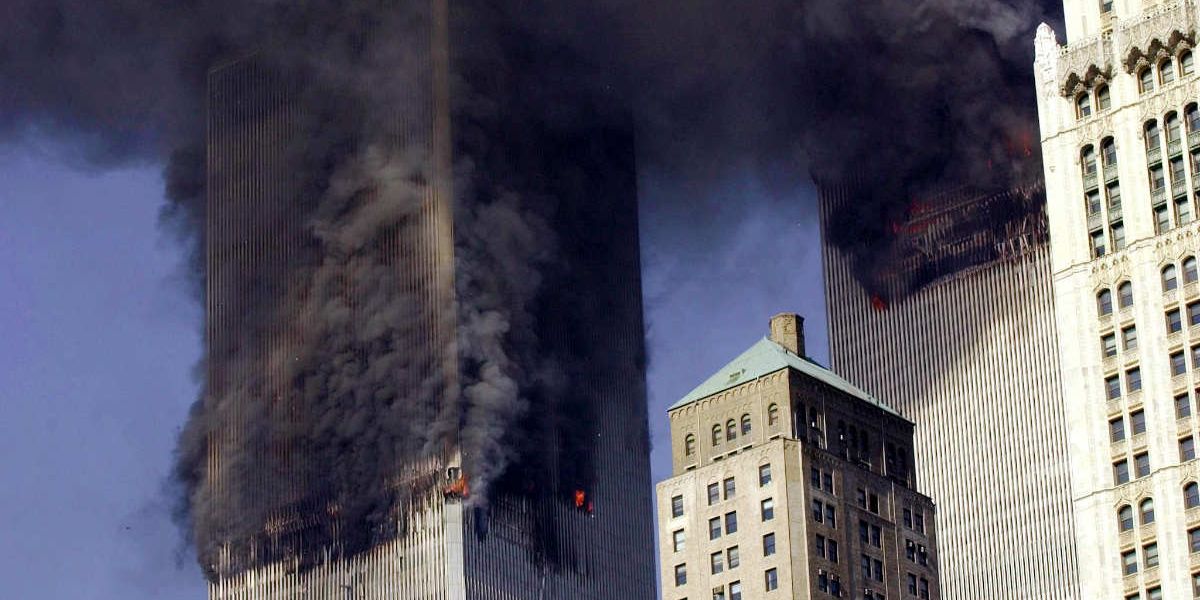
The memory of September 11 still carries a weight that has never really gone away. For many Americans, the day is tied not just to the collapsing towers, but to the impossible moments in between, when people trapped high above the city had to make choices no human being should ever face.
Among the most haunting parts of that morning was the sight of people jumping from the Twin Towers. Witnesses on the streets below were frozen in place, looking up at a scene so brutal and unreal that it seemed to break the normal rules of what the eye can process. The shock of it is part of why the day remains so deeply etched into the national memory.
What made the horror even harder to grasp was the distance between the two worlds in that moment. Up above, there was smoke, fire, suffocating heat, and a desperate search for air. Down below, there were sirens, debris, and crowds staring upward in disbelief, watching events unfold with a helplessness that has echoed through the years.
Survivor accounts and eyewitness memories have made clear how fast the situation turned from confusion to catastrophe. People inside the towers faced an unbearable reality as the fires burned and escape routes vanished. For those forced to make split-second decisions, the morning became a terrible contest between fear, pain, and the instinct to survive.
The street-level perspective matters because it captures how public trauma works. Catastrophe is often imagined as something seen from a distance, but on 9/11 it was close enough to touch, with ash drifting through the air and stunned pedestrians standing beneath a sky filled with smoke. That sense of proximity is part of why the event still feels so immediate, even decades later.
There is also a reason people return to this part of the story with such difficulty. It exposes the human cost in the starkest possible way, stripping away politics, pride, and all the noise that often surrounds big historical moments. What remains is raw tragedy, and a reminder that the day’s worst images came from real people caught in a nightmare.
Public memory of 9/11 has always been shaped by those images, but the emotional burden goes beyond the photos and footage. Families, first responders, and ordinary New Yorkers all carried pieces of that morning forward, each in a different way. Some recall the silence after the initial chaos, while others remember the sound, the smoke, and the sight of people falling from a place that had once symbolized American ambition.
That symbolism is part of what makes the story so difficult to sit with. The Twin Towers were not just office buildings, but landmarks that represented the scale and confidence of the city itself. Watching them become the center of mass death changed the meaning of the skyline and left behind a wound that still shapes how Americans think about vulnerability and loss.
Even now, the details from that day force a hard confrontation with reality. The bravery of first responders is remembered for good reason, but so is the terror experienced by those trapped at the top of the towers and the civilians who watched from below. Their stories do not soften with time, and they do not need embellishment to remain unforgettable.
September 11 became a test of national endurance, but it was also a deeply personal tragedy for anyone who was there. The memory of those who jumped from the Twin Towers continues to sit at the center of that pain, not because it is easy to talk about, but because it captures the scale of human suffering in a way that words still struggle to contain.

1 Comment
Why did NYC elect Muslim mayor post 9/11