
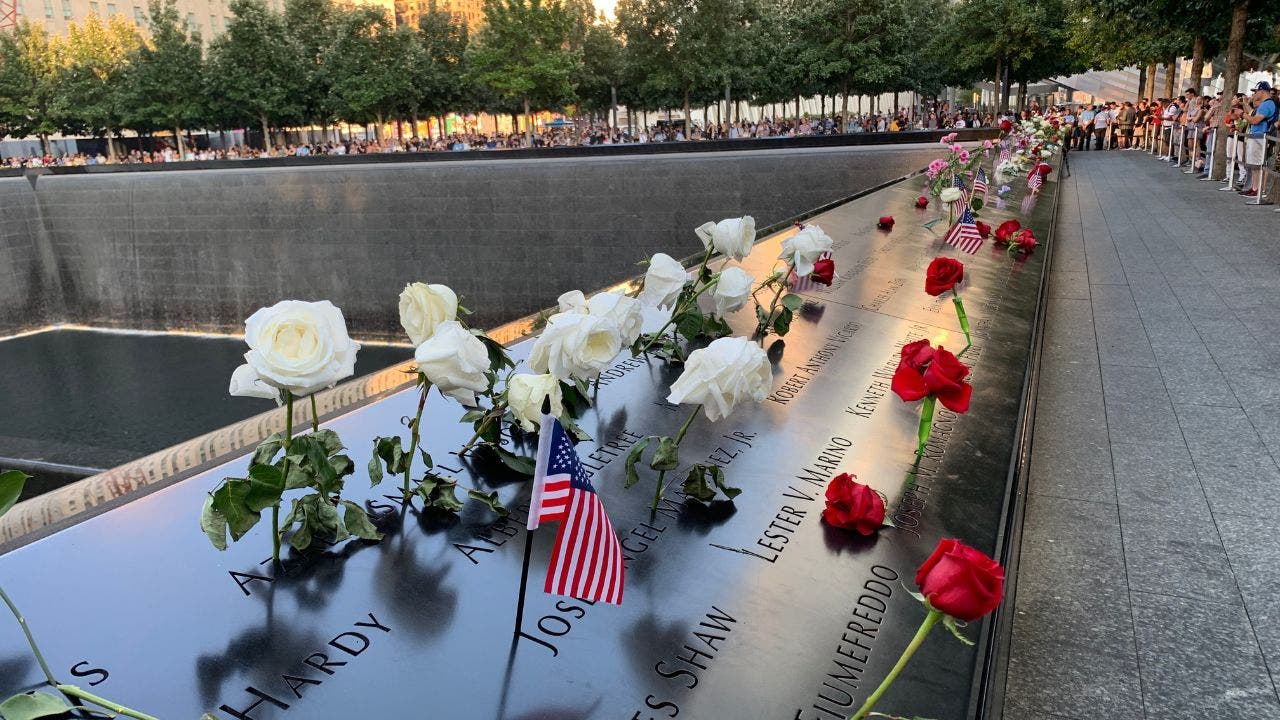
September 11 still lands with a hard thud because it was never just a date on a calendar. It was a rupture in American life, followed by a rare stretch when the country remembered what unity looked like under pressure. That memory has aged into a test, asking whether the nation still understands courage, sacrifice, and the real price of freedom.
On that Tuesday in 2001, nearly 3,000 innocent people were murdered in a coordinated terrorist attack on American soil. The shock of it was immediate, but so was something else: the instinct to stand together instead of apart. For a while, Americans did not sort each other by party, class, or region, because grief was too big for all of that noise.
That spirit did not stay locked in the past. It showed up in songs, public gatherings, and the way ordinary people reached for one another when words fell short. Artists, first responders, families, and strangers all found themselves part of the same emotional storm, trying to carry a loss that was too heavy for any one person to hold alone.
The heroes of that day still define the story. Firefighters climbed upward while everyone else fled, police officers and paramedics ran toward danger, and passengers on Flight 93 chose resistance over helplessness. Their courage was not polished or symbolic. It was raw, fast, and paid for in full.
That is why remembrance cannot be reduced to a slogan or a once-a-year ritual. “Never Forget” only means something if it stays alive in classrooms, in families, and in the way the country talks about evil without flinching. A nation that forgets why it was attacked becomes easier to confuse, weaken, and divide.
And the threats have not disappeared. Radical Islamism remains dangerous, antisemitism is spreading again, and anti-American extremism keeps finding new ways to dress itself up as moral virtue. The internet has made bad ideas travel faster than common sense, which means old lies now arrive with slick packaging and instant applause.
There is also a more uncomfortable truth hanging in the air. Some people today excuse violence if it fits their politics, or soften terror when it targets the “right” enemy. That kind of moral drift would have sounded absurd in the days after 9/11, but now it shows up in campus chants, activist talking points, and public figures who should know better.
The concern is not just what happened then, but whether Americans would respond the same way now. Would the country close ranks again, or would too many people retreat into outrage, ideology, and blame? It is an open question, and that should bother anyone who still believes the United States is worth defending.
The lesson of 9/11 is not only about loss. It is about what survives loss when people refuse to surrender their principles. The nation endured because millions of Americans chose resolve over panic, duty over cynicism, and memory over convenience.
That example still matters because freedom is never self-sustaining. It depends on people who understand the stakes and are willing to carry them without drama or applause. The names of the dead and the bravery of the living still ask something from the country, and that request does not expire.
