
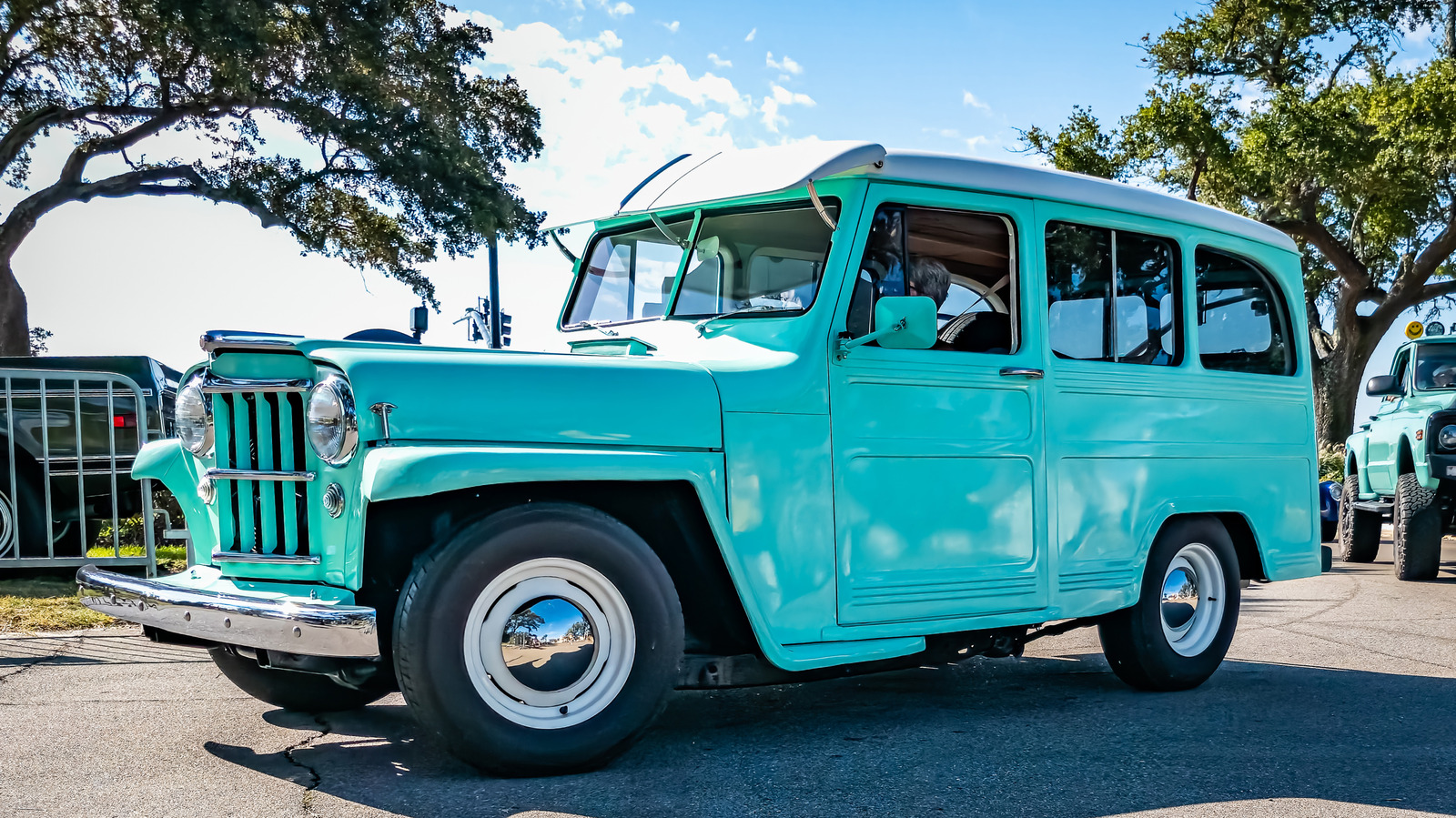
Boxy SUVs are having a real moment again, and this time it is not just nostalgia doing the heavy lifting. Automakers are leaning back into straight lines, flat roofs, and squared-off proportions because those shapes still make practical sense, especially when buyers want space, visibility, and a little old-school attitude.
That look has deep roots. The SUV formula traces back to the Willys Jeep of World War II, then carried forward through decades when utility mattered more than slippery aerodynamics. By the late 1990s, the market had shifted toward smoother, more car-like shapes, but the current wave of retro design is proving that boxy does not have to mean outdated.
Ford has been one of the loudest voices in this comeback. The Bronco returned with the kind of squared-off body that made the original famous, and it did not stop at style since the shape also helps on trails where visibility and clearance matter. The Bronco Sport keeps that rugged attitude in a more approachable package, giving shoppers a boxy option that feels ready for adventure without going full hardcore.
Hyundai took a bigger swing with the Santa Fe, and the redesign turned plenty of heads. The vehicle moved away from soft curves and into a more upright, structured form that gives it a surprisingly bold presence, while also creating a roomy cabin and a wide cargo opening. The result feels especially tuned to drivers who want family utility with a design that stands apart from the crowd.
Jeep, of course, never really left the boxy playbook. The Wrangler remains one of the clearest examples of a shape becoming part of a brand’s identity, and the new Recon pushes that formula into the electric era with removable pieces and a rugged stance. Jeep also keeps the Grand Wagoneer in the mix, showing that angular design can work just as well for a three-row family hauler as it does for a trail toy.
Mercedes-Benz brings a different flavor to the same trend. The G-Class is not trying to blend in, and that is exactly the point, with its upright profile, exposed spare tire, and military-inspired roots giving it a presence unlike almost anything else on the road. Inside, it pairs that old-school silhouette with serious luxury, which is why the G-Wagon has become as much a status symbol as a utility vehicle.
Toyota rounds out the group with a lineup that leans heavily into durability and space. The Land Cruiser returned with a look that echoes its earlier generations, while the Sequoia and 4Runner keep a muscular, squared stance that fits the brand’s reputation for toughness. Even the RAV4 carries some of that boxier DNA, proving that this design language can stretch from hardcore off-roaders to everyday crossovers without losing its edge.
Part of the reason this style works now is that modern engineering has loosened some of the old trade-offs. Better powertrains, smarter packaging, and improved efficiency mean automakers can bring back upright shapes without paying the same penalty they once did. That leaves room for something buyers clearly still want: a vehicle that looks capable before it even moves.
There is also a cultural piece to all of this, and it matters. Retro design taps into memory, but it also signals confidence, because a boxy SUV does not apologize for taking up space. In a market full of rounded edges and soft profiles, these vehicles stand tall and make the case that practical can still look sharp.
