
Smart, printable 3D printer add-ons can fix the little frustrations that slow down your workflow and ruin prints, and you don’t need fancy tools to make them. This article walks through the kinds of upgrades that genuinely improve daily printing, explains why they work, and gives practical pointers on materials, fit, and simple tweaks so you can print, install, and move on to better results fast.
First, consider spool management. Bad spool tension and erratic feeding cause tangles and underextrusion, and a simple adjustable spool holder or a low-friction spool insert printed in PLA or PETG will tame most problems, allowing the filament to unwind smoothly and keeping tension consistent. A good guide or bearing mount is quick to print and reduces sudden tugging that ruins long prints. These fixes are small, but they stop the single biggest source of mid-print failures for many hobbyists.
Next up is cooling and airflow, where tiny ducts and shrouds change print quality dramatically. Fan ducts that direct air precisely at the nozzle or over bridges help solidify layers faster and reduce stringing without changing temperature settings. You can customize the duct shape to match your printer’s fan and hotend geometry, printing in PETG for heat resilience or PLA for the convenience of fast prototypes that you can swap out on a whim.
Bed adhesion and leveling are annoyances that steal hours from your weekend. Printable leveling knobs, wiper springs, and simplified probe mounts let you make micro-adjustments without tools, and a custom silicone sock for your nozzle keeps ooze in check and stabilizes the nozzle temperature. These parts are about reducing fiddly adjustments—print them in materials that handle the strain and heat where needed, and you’ll spend more time designing and less time babysitting prints.
>
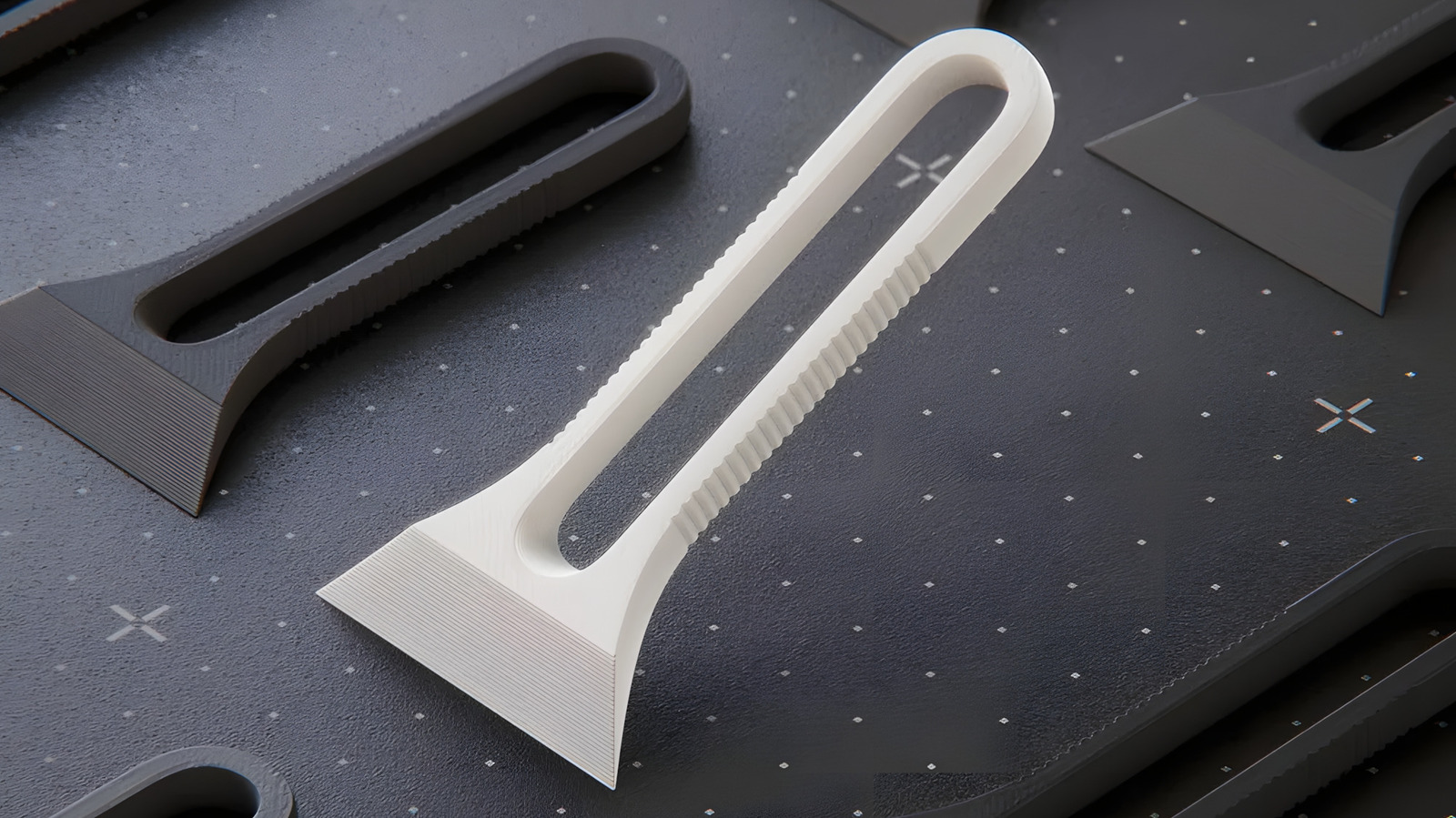
Another group of upgrades focuses on organization at the printer itself, like tool racks, filament cutters, and nozzle-cleaning holders. A mounted scraper or brush holder keeps the workspace tidy and cuts down on clogs caused by debris on the bed. These organizers also let you keep spare nozzles, hex keys, and tweezers within reach, so small maintenance tasks get handled immediately instead of being postponed until the next failed print.
Cable and motion management rarely get love but they matter for longevity and safety. Simple, printed cable chains and strain-relief clips prevent wiring from snagging on moving parts and reduce connector stress that leads to intermittent faults. Secure wiring improves repeatability and reduces mysterious electrical problems, and since these clips are low-profile, you can design them to match your printer model and aesthetic while keeping everything out of the way.
If you like to tinker with slicer settings, try adding printed test jigs and calibration fixtures. Tower tests, overhang gauges, and nozzle alignment tools let you dial in slicer profiles with real-world feedback rather than guesswork. Printing a quick calibration cube or bridging tester before a big job saves filament and time, and designing your own test pieces helps you discover the limits of your filament and extrusion setup faster.
Material choice and print orientation matter more than many people assume for functional parts. PETG and ASA are tougher for parts that take heat or impact, while PLA is fine for organizers and prototypes; orient parts so layers take the load across the strongest axis. Small design tweaks like boss countersinks for screws or adding a tiny chamfer for easier insertion often make printed upgrades feel like factory parts and eliminate the need for aftermarket hardware.
Finally, remember that iteration is the point: print, test, tweak, and repeat. The beauty of printable add-ons is low cost and rapid turnaround—if a duct or clip doesn’t fit perfectly, revise the model and try again until it does. With a handful of targeted upgrades you’ll reduce failed prints, speed up setup, and make your printer feel more reliable without spending a lot of money or time.
