
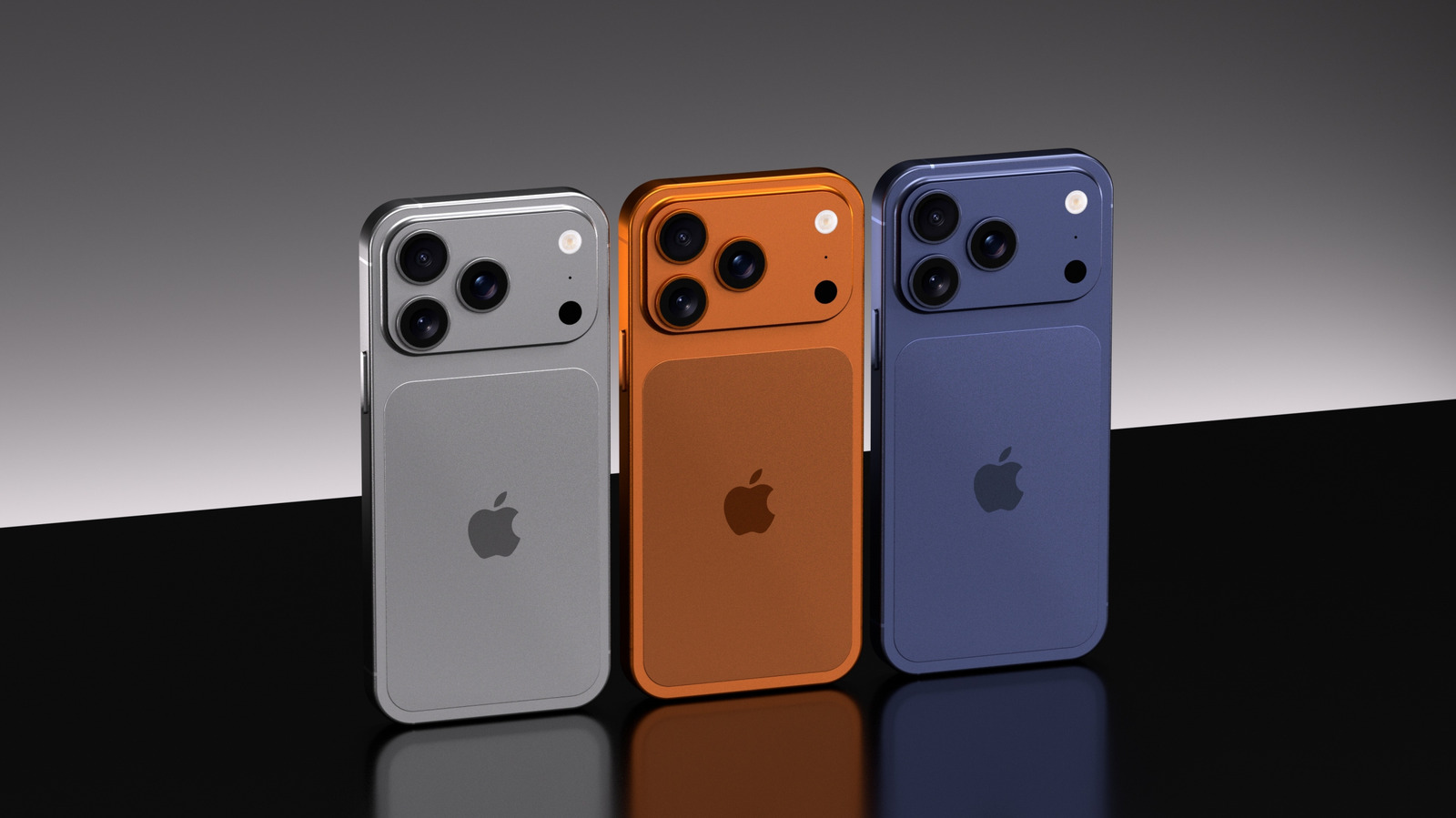
This piece rounds up the standout big-screen phones of 2026, explains what makes a large handset worth buying, and highlights the key trade-offs to consider when choosing one. You’ll get a clear sense of why size matters for media, multitasking, and battery life, plus the main hardware areas that separate the best from the rest. Read on if you want a phone that feels like a portable theater without becoming a pain to carry.
Big phones today are about more than raw inches. A larger display gives room for split-screen apps, richer video playback, and clearer maps and documents, but it also changes how the device feels in your hand and how long the battery lasts. The best models balance a roomy canvas with manageable weight and solid build quality so the phone still fits into daily life rather than becoming a pocket burden.
Display tech has become the most noticeable advantage of larger handsets. High-end panels use OLED with variable refresh rates to keep animations smooth and battery use efficient, while peak brightness and HDR handling make streaming shows pop even outdoors. Color accuracy and touch responsiveness also separate premium phones from budget big-screen alternatives, so look past diagonal size and toward actual panel performance.
Design choices matter when screens grow. Manufacturers have pushed thin bezels, subtle curves, and tougher glass to keep large phones feeling compact, and some models use ceramic or metal frames for extra rigidity. Foldables represent an alternate path: they deliver huge usable screens that fold down into smaller packages, but they come with different durability and software trade-offs compared with slab-style flagships.
Cameras remain a headline feature even on the biggest phones, and companies tune sensor size and optics to take advantage of the extra chassis space. Larger bodies allow for more advanced cooling and bigger batteries, which in turn sustain faster processing during photo and video sessions. If mobile photography matters, pick a phone where the camera system and software are clearly prioritized rather than squeezed into a thin shell.
Battery life is often the best argument for a large phone. Bigger devices can fit higher-capacity cells and more robust thermal solutions, translating into longer screen-on time and steadier performance under load. Charging tech has improved too, from high-watt wired fast charging to more capable wireless options; if you travel or binge videos, prioritize capacity and charging speed over marginal camera or CPU benchmarks.
Performance and speakers shape the day-to-day experience on a big device. Powerful processors and ample RAM turn large phones into capable portable workstations for editing, gaming, and heavy multitasking, while tuned stereo speakers deliver immersive sound without headphones. Consider how often you use productivity features, cloud apps, or mobile gaming when weighing a premium chipset against battery life and price.
Finally, think about how you intend to carry and use the phone rather than chasing the largest screen available. If your priority is media consumption, a handful of top-tier large-screen phones give the best viewing and audio combination you’ll find this year. If portability or one-handed use matters more, a slightly smaller device or a foldable that compacts down might be the smarter move.
